10 Foods That Help You Sleep Better (and 5 That Ruin It)
Trying to catch some Z's but finding yourself staring at the ceiling? It turns out what you eat can play a pretty big role in how well you sleep. We're not talk...

Trying to catch some Z's but finding yourself staring at the ceiling? It turns out what you eat can play a pretty big role in how well you sleep. We're not talking about magic pills here, but simple foods that can actually help your body wind down. On the flip side, some common snacks and drinks might be sabotaging your sleep without you even realizing it. Let's take a look at 10 Foods That Help You Sleep Better (and 5 That Ruin It) so you can start making smarter choices for a more restful night.
Key Takeaways
- Tart cherry juice, bananas, kiwis, and fatty fish are great choices for promoting sleep due to their natural compounds like melatonin, tryptophan, magnesium, and omega-3s.
- Snacking on almonds or a small bowl of oats, and sipping chamomile tea can also support better sleep thanks to their calming properties and nutrients.
- Focusing on a diet rich in lean proteins, complex carbohydrates, and healthy fats throughout the day can positively impact your sleep quality.
- Foods like alcohol, caffeine, greasy or spicy dishes, and sugary treats can disrupt your sleep patterns and should generally be avoided before bed.
- Warm milk, eggs, and pumpkin seeds are other options that contain sleep-supportive nutrients like melatonin and magnesium.
Foods That Promote Restful Sleep
You know, sometimes it feels like a good night's sleep is just out of reach. We try everything, right? Blackout curtains, white noise machines, the whole deal. But what if I told you that what you're eating could be a big part of the puzzle? It sounds simple, but the food we put into our bodies really does play a role in how well we can wind down and actually get some quality rest. It's not about magic pills or complicated diets; it's about choosing foods that naturally help your body prepare for sleep.
Tart Cherry Juice For Melatonin
Have you ever heard of tart cherry juice being good for sleep? It's actually got some science behind it. These specific cherries, often called Montmorency cherries, naturally contain melatonin. Melatonin is that hormone your body makes that tells you when it's time to sleep. So, drinking the juice can give you a little boost. Some studies have shown that people who have trouble sleeping might sleep a bit better and longer if they sip on some tart cherry juice before hitting the pillow. If you want to try it, maybe go for the actual juice or concentrate mixed with water, about two ounces, an hour before bed. It's probably best to drink it consistently each night to see if it makes a difference for you.
Bananas For Tryptophan And Magnesium
Bananas are pretty amazing, aren't they? They're not just a convenient snack. They contain an amino acid called tryptophan. Your body uses tryptophan to make serotonin and melatonin, both of which are important for sleep. But wait, there's more! Bananas also pack in magnesium and potassium. These minerals are thought to help calm your nervous system and relax your muscles, which sounds pretty good when you're trying to get ready for sleep. They're great on their own, or you could even blend one into a smoothie with some almond milk and cinnamon.
Kiwi's Serotonin And Antioxidant Boost
This little fuzzy fruit, the kiwi, might be a sleep secret weapon. It's known to contain serotonin, and some research suggests that eating foods with serotonin can help you fall asleep faster and stay asleep longer. Plus, kiwis are loaded with antioxidants, like vitamin C. These antioxidants are good for your overall health, and they might also have a positive effect on your sleep quality. So, maybe adding a kiwi to your evening routine could be a good move.
Fatty Fish For Omega-3s And Vitamin D
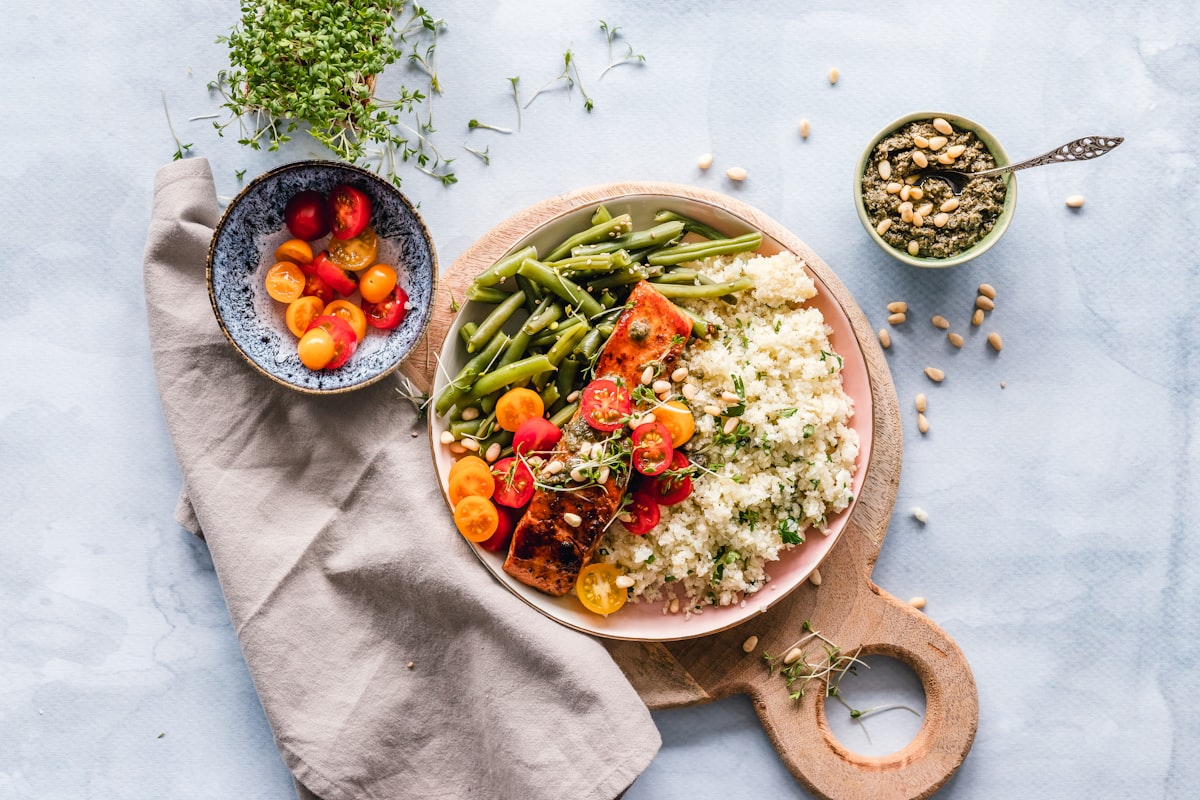
When we talk about fatty fish, think salmon, mackerel, or tuna. These aren't just good for your heart; they might also be good for your sleep. Why? Because they're a great source of omega-3 fatty acids and vitamin D. Both of these nutrients are thought to play a role in regulating serotonin in the body. Serotonin is that feel-good neurotransmitter that also helps with sleep. Getting enough vitamin D is important too, and fatty fish is one of the best ways to get it from food. So, having a serving of fatty fish a couple of times a week could be beneficial for more than just your physical health.
Nutrient-Rich Snacks For Sleep

Sometimes, a full meal isn't what you need before bed. A small, smart snack can actually be a good idea to keep your body from getting too hungry overnight, which can wake you up. The trick is picking the right stuff, though. We're talking about snacks that have things your body uses to chill out and get ready for sleep.
Almonds And Their Magnesium Content
Almonds are pretty great for a lot of reasons, and one of them is their magnesium. This mineral is like a natural relaxant for your muscles. It also plays a role in your body's sleep-wake cycle by helping to regulate melatonin. Just a small handful can make a difference.
Oats As A Complex Carbohydrate Source
Oats are more than just a breakfast staple. They're a good source of complex carbohydrates, which help keep your blood sugar steady. This is important because big swings in blood sugar can mess with your sleep. Oats also contain tryptophan, an amino acid that helps your body make sleep-promoting hormones.
Chamomile Tea's Calming Properties
This one's a classic for a reason. Chamomile tea has compounds that seem to have a calming effect on the brain. It's a warm, soothing drink that doesn't have caffeine, making it a perfect way to wind down without adding any stimulation.
When you're looking for a pre-bed snack, think about what your body needs to relax. Foods that offer magnesium, tryptophan, or have a calming effect can be really helpful. It's not about eating a lot, but about choosing wisely to support your body's natural sleep processes.
Dietary Patterns For Better Sleep
It's not just about one magic food; how you eat throughout the day really matters for your sleep. Think of your diet as a whole system that supports your body's natural sleep-wake cycles. Focusing on certain types of foods and how you combine them can make a big difference in how well you rest.
Lean Proteins And Tryptophan
Lean proteins are a great source of an amino acid called tryptophan. Your body uses tryptophan to make serotonin and melatonin, two key players in sleep regulation. So, including lean protein sources like chicken, turkey, fish, or even plant-based options like beans and lentils in your meals can help set the stage for a good night's sleep. It's about giving your body the building blocks it needs.
Complex Carbohydrates Over Refined
When you eat refined carbohydrates, like white bread or sugary snacks, your blood sugar can spike and then crash. This roller coaster effect can actually wake you up in the middle of the night. Instead, opt for complex carbohydrates found in whole grains, vegetables, and legumes. These break down more slowly, providing a steady release of energy and helping to keep your blood sugar stable, which is much better for uninterrupted sleep.
Heart-Healthy Fats For Serotonin
Don't shy away from healthy fats! Foods rich in omega-3 fatty acids, like fatty fish (salmon, mackerel) and certain nuts and seeds, are not only good for your heart but can also help boost serotonin levels. Serotonin is a neurotransmitter that plays a role in mood and relaxation, and higher levels can contribute to better sleep quality. Adding these fats into your diet can be a simple yet effective way to support your sleep.
Making mindful food choices throughout the day, rather than relying on a single food before bed, can create a more consistent and supportive environment for sleep. It's about building healthy habits that work with your body's natural rhythms.
Foods To Avoid Before Bedtime

Sometimes, what you _don't_ eat before bed can be just as important as what you do. Certain foods and drinks can really mess with your ability to fall asleep and stay asleep. It's like trying to quiet a noisy room – some things just add to the chaos. Making smart choices about your evening intake can make a big difference in how rested you feel.
Alcohol's Disruptive Effects
While a nightcap might seem like a good way to unwind, alcohol actually does the opposite for your sleep. It might make you feel drowsy initially, but it really messes with your sleep cycles later in the night. You might find yourself waking up more often, and the sleep you do get isn't as deep or restorative. It's a common culprit for that groggy feeling even after a full night in bed.
Caffeine's Stimulating Impact
We all know caffeine wakes us up, but its effects can linger much longer than you might think. Even if you have your last cup of coffee in the afternoon, the caffeine can still be active in your system hours later, making it tough to drift off. It's a stimulant that interferes with the natural sleep signals in your brain. If you're sensitive, it's best to cut off caffeine at least six hours before you plan to hit the hay, maybe even longer.
Greasy Or Spicy Foods And Indigestion
Chowing down on something heavy, greasy, or packed with spice right before bed is a recipe for discomfort. These types of foods can trigger heartburn, indigestion, and acid reflux. When your stomach is working overtime and feeling irritated, it's pretty hard to relax and fall asleep. Plus, spicy foods can sometimes raise your body temperature, which isn't ideal for sleep.
Sugar And Refined Carbs' Blood Sugar Swings
Foods high in sugar and refined carbohydrates, like pastries, candy, or white bread, can cause your blood sugar levels to spike and then crash. This rollercoaster effect can actually wake you up in the middle of the night when your blood sugar drops too low. It's better to stick with complex carbohydrates that provide a more stable energy release.
It's not just about avoiding the obvious culprits. Sometimes, hidden sugars or fats in processed snacks can also contribute to sleep disturbances. Paying attention to ingredient lists can be helpful.
Here's a quick rundown of what to be mindful of:
- Alcohol: Seems relaxing, but disrupts sleep cycles.
- Caffeine: A stimulant that stays in your system for hours.
- Greasy/Spicy Foods: Can cause indigestion and heartburn.
- Sugary Foods & Refined Carbs: Lead to blood sugar spikes and crashes.
- Acidic Foods: Like tomatoes and citrus, can increase stomach acid.
Other Sleep-Supporting Options
Warm Milk's Natural Melatonin
Remember when you were a kid and your parents gave you warm milk before bed? Turns out, there's some science behind that. Milk naturally contains a small amount of melatonin, the hormone that helps regulate sleep. It also has tryptophan, which your body uses to make serotonin and melatonin. The warmth itself can be pretty soothing, too, creating a cozy ritual that signals to your brain it's time to wind down. It's a simple, comforting drink that might just help you drift off.
Eggs As A Melatonin Source
Eggs are another food that can contribute to your sleep efforts. They contain tryptophan, that all-important amino acid we've talked about. Plus, eggs have some melatonin in them, though usually in smaller amounts than found in things like tart cherry juice. Eating an egg or two as part of a light evening snack could be a good move if you're looking for natural ways to support your sleep cycle. It's all about getting those sleep-promoting compounds in a gentle way.
Pumpkin Seeds For Magnesium And Tryptophan
Don't overlook pumpkin seeds! These little guys are nutritional powerhouses, especially when it comes to sleep. They're a fantastic source of magnesium, a mineral that plays a big role in calming your nervous system and helping your muscles relax. Magnesium deficiency has been linked to sleep problems, so getting enough is key. Pumpkin seeds also pack a good amount of tryptophan. A small handful as a snack can be a smart addition to your bedtime routine. They're also a good source of zinc and iron, which are important for overall health and can indirectly support better sleep.
Sometimes, the simplest foods can make a difference. Focusing on nutrient-dense options that naturally contain compounds like melatonin and tryptophan can be a gentle way to encourage better sleep without relying on supplements. It's about making small, consistent choices that support your body's natural rhythms.
Wrapping Up Your Sleepytime Snacks
So, it turns out what you eat before bed really can make a difference in how well you sleep. We've looked at some tasty options like tart cherry juice, bananas, and even some fatty fish that might help you drift off. It's not about finding some magic food, but more about making smart choices. Eating balanced meals and picking the right snacks can help your body relax and get ready for rest. And remember, if you're still having trouble sleeping, it's always a good idea to chat with your doctor. They can help figure out what else might be going on.
Frequently Asked Questions
What foods can help me sleep better?
Certain foods have things in them that can help your body relax and get ready for sleep. For example, tart cherry juice has melatonin, which is like a sleep hormone. Bananas have magnesium and potassium that help your muscles relax. Foods like fatty fish, almonds, and oats also have nutrients that can make you feel sleepier.
Are there any foods that I should avoid before bed?
Yes, it's best to steer clear of some foods close to bedtime. Things like alcohol and caffeine can mess with your sleep. Also, super greasy or spicy foods can upset your stomach, and sugary snacks can make your energy levels jump around, which isn't good for sleep.
How does tart cherry juice help with sleep?
Tart cherry juice is special because it naturally contains melatonin. Melatonin is a hormone that your body makes to help control when you feel sleepy and when you wake up. Drinking tart cherry juice before bed can give your body a little extra boost of this sleep hormone.
Why are bananas good for sleep?
Bananas are like a little package of sleep helpers! They have an ingredient called tryptophan, which your body uses to make serotonin and melatonin, both important for sleep. Plus, they're packed with magnesium and potassium, which help your muscles chill out and calm your nerves.
Can eating fatty fish help me sleep?
Definitely! Fish like salmon and mackerel are full of omega-3 fats and vitamin D. These are great for your brain and can help your body make more serotonin. When you have enough serotonin, it can really improve how well you sleep.
Is it better to eat whole foods or take sleep supplements?
While supplements can sometimes help, eating a balanced diet with whole foods is usually a better long-term plan for good sleep. Foods have lots of different vitamins and minerals that work together, plus fiber, which is linked to deeper sleep. They offer more benefits than just a single supplement might.