Eat Out, Stress-Free: Your Guide to Navigating Restaurants with Food Tolerances
I know dining out with food sensitivities can feel overwhelming, but it doesn't have to be! I'll show you how to confidently navigate menus, communicate with staff, and enjoy delicious meals without the worry.
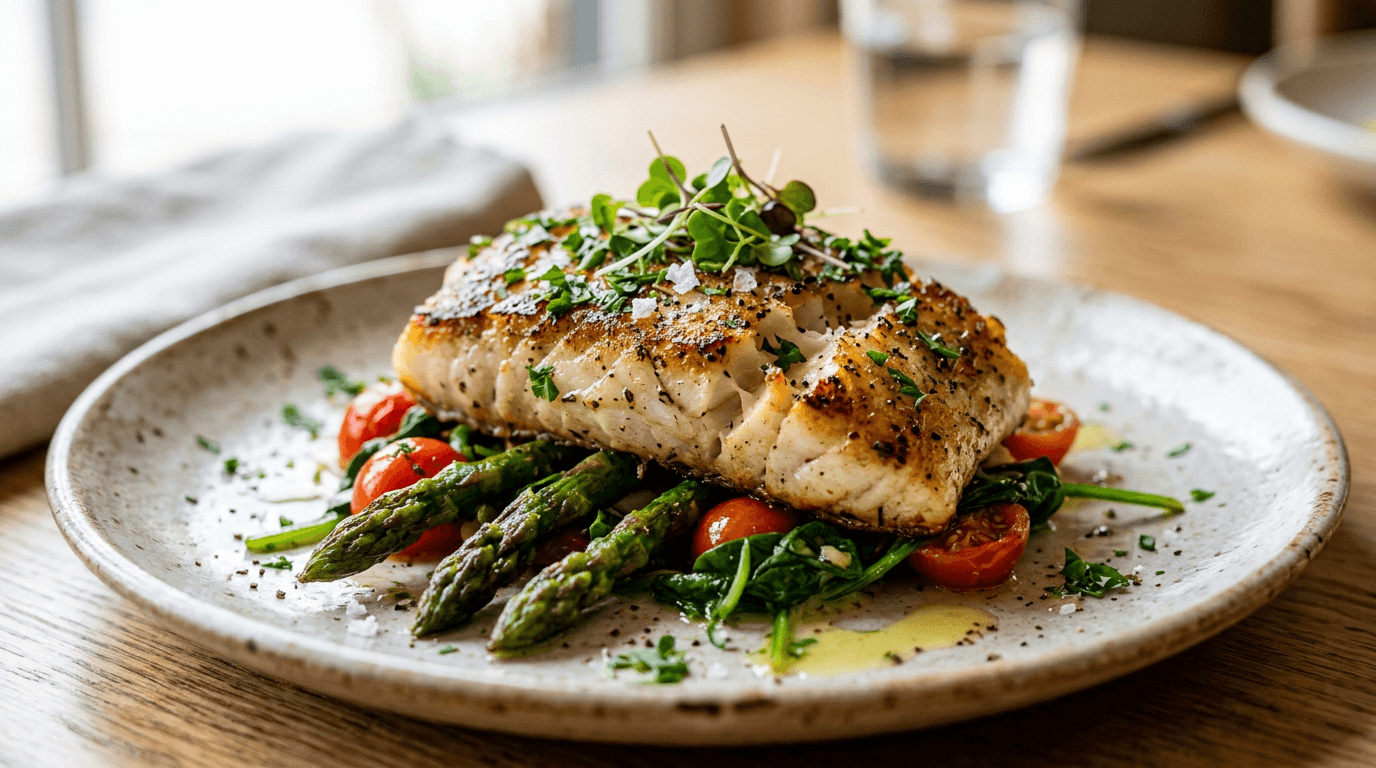
Eat Out, Stress-Free: Your Guide to Navigating Restaurants with Food Tolerances
I know that feeling all too well: the mix of excitement for a night out and the quiet dread that creeps in when you remember your food sensitivities. It's frustrating, isn't it? Trying to enjoy a meal when you're constantly worried about ingredients can really take the fun out of dining.
But here's the good news: it doesn't have to be this way! I've spent a lot of time looking into how we can reclaim the joy of eating out, even with specific dietary needs. I want to show you how to approach restaurants with confidence, armed with knowledge and a friendly plan.
Preparation is Your Superpower When Dining Out with Food Sensitivities
Think of your dining experience starting long before you even step foot in the restaurant. A little bit of homework can make a world of difference, turning potential stress into a smooth, enjoyable evening.
Do Your Homework
Before you even think about making a reservation, jump online! Most restaurants have their menus posted, and some even highlight common allergens or offer specific dietary sections. This is your first clue.
- Browse the menu: Look for dishes that seem naturally simple or that feature ingredients you know you tolerate well.
- Read reviews: Sometimes, other diners will mention how accommodating a restaurant was (or wasn't!) for their dietary needs.
- Check their website: Does it mention anything about allergies or sensitivities? Some places are really proud of their ability to cater to diverse diets, and they'll say so.
- Use specialized apps: There are fantastic apps out there, like AllergyEats or Spokin, where people review restaurants specifically based on their allergy friendliness. They're like having a whole community of informed diners in your pocket!
Call Ahead (Yes, Really!)
I know, picking up the phone can feel like a big step, but trust me, it's one of the most effective strategies you've got. Calling during off-peak hours (think mid-afternoon, between lunch and dinner service) means the staff will have more time to chat with you without feeling rushed.
When you call, be clear and concise. Explain your food sensitivities and ask specific questions. You're not just asking "do you have gluten-free?" but rather, "I have a severe gluten sensitivity; can you tell me about your cross-contamination protocols in the kitchen?" This shows you're serious and helps them understand your needs better.
Communicating Confidently at the Restaurant
Once you're at the restaurant, your communication with the staff becomes key. You want to be clear, polite, and confident. Remember, they're there to help you have a great experience!
Speak Up, Clearly and Kindly
When your server approaches, let them know about your food sensitivities right away. Don't wait until you're halfway through ordering. Say something like, "Hi, I'm so excited to be here! I just wanted to let you know I have a sensitivity to dairy and gluten, so I'll need to be careful with my order."
Be specific about what you can't have. Instead of just saying "dairy," you might say, "I can't have any dairy, which means no milk, cheese, butter, or cream." This helps them understand the full scope of your needs and prevents misunderstandings.
Ask Smart Questions
It's perfectly okay to ask questions about how dishes are prepared. You might ask:
- "Is there butter in this sauce, or can it be made with olive oil?"
- "Are the vegetables steamed plain, or do they have seasoning I should know about?"
- "Is this grilled chicken marinated, and if so, what's in the marinade?"
You're not being difficult; you're being responsible for your health. A good server will appreciate your proactive approach and will be happy to check with the kitchen for you.
Be Patient and Grateful
Sometimes, the kitchen might need a little extra time to prepare your meal safely, and that's totally fine. A little patience goes a long way. And always, always thank your server and the kitchen staff for their efforts. A genuine "Thank you so much for being so careful with my meal; I really appreciate it!" can make their day and ensure you get great service again if you return.
Mastering the Menu: Spotting Safe Choices
Learning how to read a menu through the lens of your food sensitivities is a skill you'll absolutely master over time. It's about looking beyond the dish description and thinking about its components.
The Usual Suspects
Certain ingredients tend to be hidden culprits. Keep an eye out for:
- Sauces and dressings: These are often loaded with hidden dairy, gluten, soy, or sugar. Always ask what's in them.
- Marinades: Similar to sauces, marinades can contain unexpected allergens.
- Fried foods: They're often battered with wheat flour and fried in shared fryers, leading to cross-contamination.
- Soups and stews: These can be thickened with flour or cream.
- Baked goods: Obvious for gluten, but also consider dairy, eggs, and nuts.
The good news is that many restaurants are getting better at labeling their menus. You'll often see symbols for gluten-free or vegetarian, which is a great starting point.
Embrace Simple Dishes
When in doubt, simplicity is your best friend. Dishes with fewer ingredients are generally easier to modify and have less chance of hidden allergens. Think:
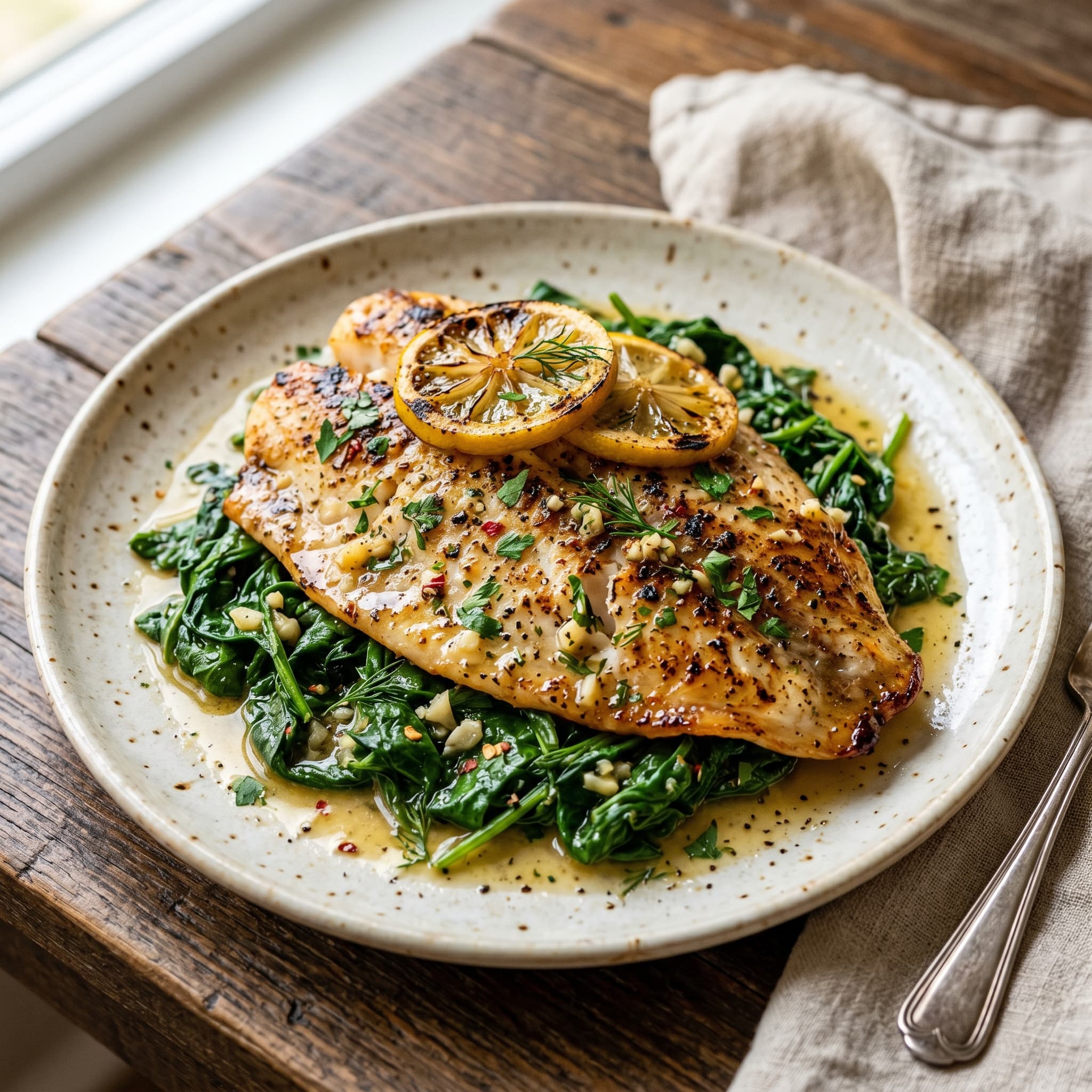
- Grilled or baked proteins: Fish, chicken, or steak cooked plainly, perhaps with just olive oil, salt, and pepper.
- Steamed or roasted vegetables: Ask for them without butter or heavy sauces.
- Plain rice or baked potatoes: Often safe bets, but always confirm no butter or cream has been added.
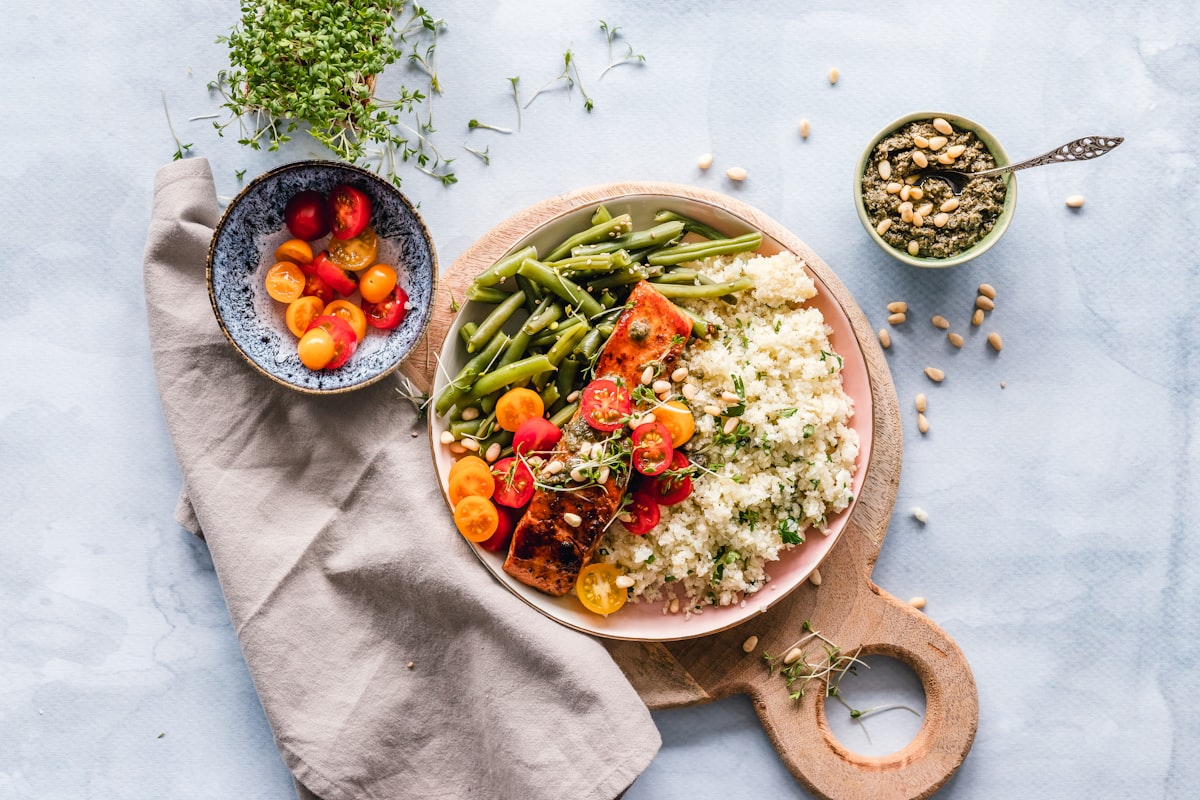
This approach really shines when you're exploring Mediterranean-adapted eating. Many traditional Mediterranean dishes are inherently simple, focusing on fresh, whole ingredients like grilled fish, roasted vegetables, legumes, and olive oil. It's often easier to find safe, delicious options within this style of cuisine.
Don't Be Afraid to Customize
You're not stuck with what's on the menu exactly as it's written. Most kitchens are happy to make small adjustments, especially for health reasons. For example, you might ask:
- "Can I have the salmon grilled plain with just olive oil and lemon, instead of the sauce?"
- "Could I get the side salad with just oil and vinegar, instead of the house dressing?"
- "Is it possible to swap the mashed potatoes for steamed broccoli?"
The key is to ask for simple substitutions that don't require the kitchen to create a whole new dish. They're usually happy to accommodate reasonable requests.
Building Your Go-To Restaurant List
As you gain more experience dining out with food sensitivities, you'll start to discover places that consistently do a fantastic job. These are your gems!
Keep a Running Log
I always suggest keeping a little mental (or even written!) note of restaurants that have been particularly accommodating. What did you order? Who was your server? What made the experience positive? This way, when you're planning another outing, you've got a ready list of trusted spots.
Don't forget to revisit these places! They already know your needs, and you've built a rapport. It takes so much of the guesswork and anxiety out of the equation.
Explore Diverse Cuisines
You might find that certain types of cuisine are naturally more adaptable to your needs. For instance:
- Mediterranean restaurants: Often feature lots of grilled meats, fish, fresh vegetables, olive oil, and naturally gluten-free grains like rice. It's a fantastic fit for many sensitivities.
- Japanese restaurants: Sashimi and plain grilled items (like yakitori without heavy sauces) can be excellent choices. Just be mindful of soy sauce if you have a soy or wheat sensitivity.
- Vietnamese or Thai restaurants: Many dishes are rice-based and can be made with coconut milk instead of dairy. Again, watch out for fish sauce, soy, or hidden sugars.
Each cuisine presents its own set of considerations, but exploring can open up a whole new world of delicious and safe dining experiences for you.
Practical Takeaway: Your Dining Out Checklist
Let's boil it all down into a handy checklist you can use next time you're planning to eat out with food sensitivities:
- Research online: Check menus, reviews, and allergy statements before you pick a place.
- Call ahead: During off-peak hours, clearly explain your sensitivities and ask specific questions.
- Communicate clearly: Tell your server about your needs right when they greet you.
- Ask questions: Don't hesitate to inquire about ingredients or preparation methods.
- Choose simple: Opt for grilled, roasted, or steamed dishes with minimal ingredients.
- Customize: Ask for simple modifications like plain oil instead of butter, or steamed veggies instead of a creamy side.
- Be patient and polite: A little kindness goes a long way in ensuring a great experience.
- Note your successes: Keep a list of restaurants that do well with your sensitivities.
Dining out should be a joyful experience, not a stressful one. With a little preparation and confident communication, you're absolutely capable of navigating menus and enjoying fantastic meals out, even with food sensitivities. You've got this!
Why not try one small step this week? Pick a restaurant you've been curious about and give them a call to ask about their allergy policies. You might be surprised at what you discover!