How Inflamed Are You? Take This Quick Inflammation Assessment
Ever wonder if your body is dealing with more inflammation than it should be? It's easy to just go about your day, but sometimes, little things add up. This qui...

Ever wonder if your body is dealing with more inflammation than it should be? It's easy to just go about your day, but sometimes, little things add up. This quiz is designed to help you get a clearer picture of your current inflammation levels. It's not about getting a perfect score, but more about understanding what might be going on inside and what you can do about it. Let's figure out how inflamed you are, shall we?
Key Takeaways
- Your food choices play a big role in how much inflammation your body experiences. Some foods help calm things down, while others can stir things up.
- It's not just about what you eat; stress, sleep quality, and how your body recovers from daily life all contribute to your inflammation load.
- Paying attention to symptom patterns, like energy levels, sleep issues, and pain, can give you clues about your body's inflammation status.
- Understanding your body's unique responses to food and sleep can help you make better choices for reducing inflammation.
- Making simple lifestyle changes, like adjusting your diet and managing stress, can lead to noticeable improvements in reducing inflammation.
Understanding Your Inflammation Score
So, you've taken the quiz. Now what? This score isn't about judgment; it's about getting a clearer picture of what's going on inside. Think of it as a snapshot, a way to see how your daily choices might be tipping the scales toward or away from inflammation.
What Does Your Score Mean?
Your score is a number, ranging from -24 to 28. A higher score is actually what we're aiming for here. It means the foods you've been eating are likely helping to decrease inflammation in your body. On the flip side, a lower score suggests that some of your food choices might be contributing to inflammation. It's not about being perfect, but about understanding the impact.
Interpreting Nutritional Choices
This quiz specifically looks at your food intake over a day or the last 24 hours. It's designed to highlight how certain foods can either fan the flames of inflammation or help put them out. For instance, foods high in added sugars, processed ingredients, and certain oils tend to score lower, indicating they might be promoting inflammation. Conversely, things like fatty fish, leafy greens, and nuts often boost your score, showing they're working to reduce it.
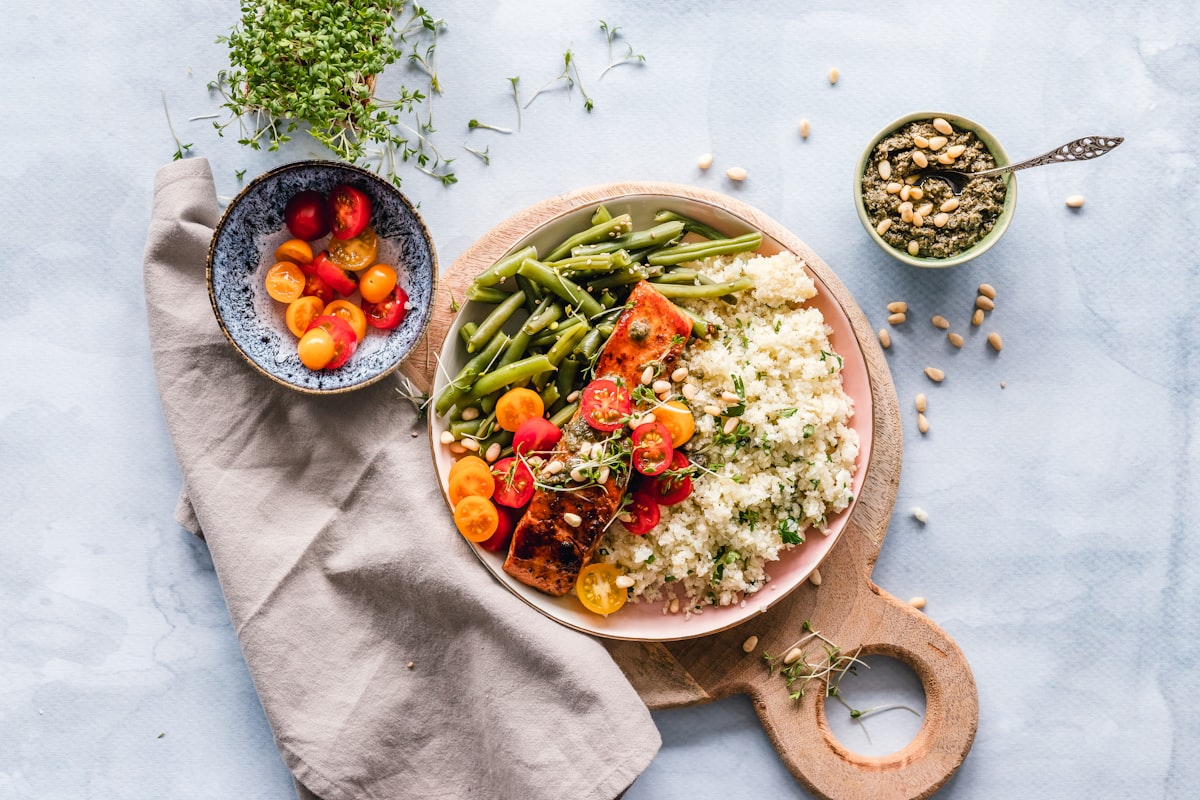
- High Score Foods: Fatty fish, avocados, leafy greens, nuts, seeds, colorful vegetables, whole grains.
- Low Score Foods: Added sugars, alcohol, sodas (even diet ones!), foods high in omega-6 fatty acids.
The Goal of the Quiz
The main point here is to give you actionable insights. The ultimate goal is to consistently achieve a higher score, which means you're making choices that support a less inflamed body. It’s a tool to help you see the direct effect of your diet. You can retake the quiz as often as you like, using it to track changes and celebrate improvements as you learn what works best for you.
Assessing Your Body's Inflammation Load
So, you've been thinking about inflammation, huh? It's not just a buzzword; it's something that can really affect how you feel day-to-day. This section is all about figuring out what your body might be trying to tell you. We're going to look at some common signs and how they might be connected.
Identifying Symptom Patterns
Sometimes, it feels like your body is sending out a bunch of signals, but they don't always make sense on their own. Are you dealing with persistent fatigue, achy joints, or maybe skin issues that just won't clear up? These could be clues. It's about noticing if these things pop up together or if they seem to stick around for a while. Think of it like putting together puzzle pieces. We're not diagnosing anything here, just trying to see what patterns might be showing up for you over the last few months. Taking a moment to reflect on these things can be really eye-opening. You can start to [assess chronic inflammation patterns](https://mancusoclinic.com/inflammation-quiz) and see what's going on.
Connecting Energy, Sleep, and Pain
Ever notice how a bad night's sleep can make everything feel worse? It's a real thing. When your body is dealing with inflammation, it can mess with your energy levels, making you feel drained even after a full night's rest. And that pain? It can feel more intense when you're not sleeping well or when your energy is already low. It's like a cycle. If you're constantly tired, hurting, and just generally feeling 'off,' it's worth looking at how these three things – energy, sleep, and pain – are interacting for you.
Evaluating Daily Life Impact
How much are these feelings actually getting in the way of your day? We're talking about the real stuff here. Does brain fog make it hard to concentrate at work? Does joint stiffness mean you skip your usual walk? Or maybe you just don't have the get-up-and-go to do the things you enjoy. It's helpful to think about how these symptoms affect your daily routine and your overall quality of life. Sometimes, just acknowledging the impact can be the first step toward making changes. We can break this down into a few areas:
- Energy Levels: Do you often feel tired or sluggish, even after resting?
- Sleep Quality: Do you struggle to fall asleep, stay asleep, or wake up feeling unrefreshed?
- Pain & Discomfort: Are you experiencing aches, stiffness, or other discomforts regularly?
- Mood & Focus: Do you find yourself feeling irritable, anxious, or having trouble concentrating?
It's easy to dismiss these feelings as just 'part of life,' especially if they've been around for a while. But paying attention to how they affect your daily activities can give you a clearer picture of what's going on internally.
Key Factors Influencing Inflammation
Everyday decisions and surroundings seep into how our bodies react. When inflammation gets out of hand, it’s often because a mix of forces are in play. These factors don’t just drive symptoms—they shape how you feel almost every day.
Stress and Tension Levels
Chronic stress can keep your system stuck in a loop of inflammation. Even if it feels normal to power through work, family drama, or lousy commutes, your body may be carrying that tension long after the stressor is gone. People sometimes notice muscle tightness, feeling wired late into the night, or snapping at small things—stress takes a toll, inside and out.
Ways you might notice stress triggering inflammation:
- Trouble unwinding even after things calm down
- Restless sleep or waking up still tired
- Muscle aches or weird headaches with no clear cause
It’s pretty wild: our bodies can start to treat everyday worries like a physical threat, pushing inflammation higher over time.
Metabolic Resistance and Body Response
It’s frustrating: you make healthy changes but your body ignores the effort. This is what folks sometimes describe as _metabolic resistance_. Eating better, exercising, or managing menus seems to do very little at first. There can be many reasons behind it, including lingering inflammation messing up your body’s response.
Common experiences linked to metabolic resistance:
1. Hard time losing weight, no matter what you try 2. Energy crashes after meals 3. Sluggish feeling that won’t quit, even on good days
You may also find blood sugar swings or resistance to exercise gains if your system is stuck in "inflammation mode."
Environmental Sensitivities
Sometimes it’s not just food or stress—what’s around you matters, too. Certain folks are more _sensitive_ to things like scented products, strong cleaners, or changes in weather. These can throw your body off just as much as a poor meal or bad night’s sleep.
Examples of environmental triggers include:
- Strong smells or fragrances in home or work
- Dust, pollen, or pet dander
- Shifts in humidity or temperature
| Environmental Trigger | Common Reaction |
|---|---|
| Fragrances/Perfume | Headaches, sneezing |
| Dust/Pollen | Itchy eyes, stuffy nose |
| Cold/Wet Weather | Joint pain, stiffness |
Even small triggers can stack up, especially if your body is already on edge.
- * *
Looking at these three factors gives you a fuller picture of what might be fueling your symptoms. It’s not just about what you eat—stress and surroundings matter more than people realize.
Digging Deeper into Inflammation Triggers
Sometimes, even with the best intentions, our bodies can feel like they're fighting a losing battle against inflammation. It's not always about the obvious stuff like diet or sleep, though those are big players. We need to look at some of the less visible, but equally impactful, factors that might be keeping your system on high alert.
Unresolved or Recurring Health Issues
Think about those nagging health problems that just won't quit. Whether it's a persistent infection, an old injury that still aches, or a chronic condition that flares up periodically, these can act like a constant low-grade alarm for your immune system. It's like having a tiny fire smoldering in the background – it might not be a raging inferno, but it's always there, contributing to the overall inflammatory load. Addressing these underlying issues is key to quieting that alarm. Sometimes, it's about finding the right medical support, like understanding the [inflammation immune response](https://www.proprofs.com/quiz-school/quizzes/pp-inflammation-immune-response-the-five-cardinal-signs) and what triggers it.
Recovery Capacity and Energy Drain
How well does your body bounce back after a stressful event, a tough workout, or even just a long day? If you find yourself feeling wiped out for days, or if minor challenges leave you completely depleted, it's a sign your recovery systems might be struggling. This struggle is often linked to inflammation. When your body is busy managing internal 'fires,' it has less energy and resources for repair and recovery. It's a cycle: inflammation drains your recovery capacity, and poor recovery can, in turn, fuel more inflammation.
Digestive Health and Discomfort
Your gut is a major hub for your immune system, and when it's not happy, your whole body can feel it. Bloating, gas, irregular bowel movements, or general discomfort after eating aren't just minor annoyances; they can be signals that your digestive tract is inflamed. This inflammation can make it harder to absorb nutrients and can allow things to 'leak' where they shouldn't, further irritating your system. Paying attention to how your stomach feels after meals is a simple yet powerful way to gauge your internal state.
It's easy to dismiss digestive issues as just 'part of life,' but persistent gut problems are often a loud signal that something deeper is going on, contributing to systemic inflammation.
Here's a quick look at how digestive issues might show up:
- Bloating: Feeling full or distended, especially after eating.
- Gas: Excessive or uncomfortable gas.
- Irregularity: Constipation or diarrhea that isn't easily explained.
- Discomfort: Abdominal pain, cramping, or a general feeling of unease.
- Food Sensitivities: Noticing adverse reactions to certain foods that seem to worsen symptoms.
Your Body's Response to Food and Sleep

Ever feel like your body is just not on the same page as you are? One day a certain food sits fine, the next it feels like a problem. And sleep? Sometimes you can get eight hours and still feel like you ran a marathon. This section looks at how what you eat and how you sleep really mess with your body's inflammation levels.
Predictability of Food Reactions
It's pretty common to notice that your body doesn't always react the same way to the same foods. You might eat a meal that usually causes no issues, but then suddenly, you're dealing with bloating or discomfort. This inconsistency can be a sign that your internal systems are a bit out of whack, and inflammation might be playing a role. It’s like your body’s internal communication system is getting crossed wires. This unpredictability is a key signal that your system is struggling to process things consistently.
Sleep Quality and Feeling Rested
We all know sleep is important, but how often do you wake up feeling genuinely refreshed? If you're hitting the pillow for a decent amount of time but still dragging yourself out of bed, your sleep might not be as restorative as it should be. This lack of true rest can really ramp up inflammation. It's not just about the hours logged; it's about the quality of that downtime. When you don't get good sleep, your body doesn't get a chance to repair itself properly, and that can lead to more inflammation. This is why getting enough quality sleep is so important for managing your [body's inflammation load](https://www.earth.com/news/lack-of-sleep-changes-how-your-body-responds-to-food/).
The Impact of Eating Habits
What you eat, and how you eat it, makes a big difference. Are you grabbing quick meals on the go, or sitting down to enjoy your food? The types of foods you choose, like those high in sugar or processed ingredients, can actively promote inflammation. On the flip side, filling your plate with whole foods, healthy fats, and plenty of vegetables can help calm things down. It's a constant balancing act, and small changes in your daily eating patterns can have a noticeable effect over time.
Here's a quick look at how different food choices can stack up:
| Food Type | Potential Impact on Inflammation | Notes |
|---|---|---|
| Added Sugars & Refined Carbs | Promotes Inflammation | Found in sweets, white bread, pastries |
| Omega-3 Fatty Acids | Reduces Inflammation | Found in fatty fish, flaxseeds, walnuts |
| Processed Foods | Promotes Inflammation | Often contain unhealthy oils, additives |
| Fruits & Vegetables | Reduces Inflammation | Rich in antioxidants and fiber |
| Omega-6 Fatty Acids | Promotes Inflammation (in excess) | Common in vegetable oils, processed snacks |
Paying attention to these patterns isn't about perfection. It's about noticing what makes you feel better or worse and making gradual adjustments. Your body is always giving you feedback; learning to listen is the first step.
Taking Action for Reduced Inflammation

So, you've taken the quiz and got a score. Now what? It's time to actually do something about it. Reducing inflammation isn't about a quick fix; it's about making smart, consistent choices that help your body heal. Think of it like tending a garden – you need to pull the weeds and plant the good stuff.
Foods That Combat Inflammation
This is where you load up on the good stuff. These foods are packed with compounds that help calm down that internal fire.
- Fatty Fish: Salmon, mackerel, and sardines are loaded with omega-3s, which are like little anti-inflammatory superheroes. Aim for at least two servings a week.
- Leafy Greens: Spinach, kale, and Swiss chard are full of vitamins, minerals, and antioxidants. They're easy to toss into salads, smoothies, or sauté with dinner.
- Berries: Blueberries, strawberries, and raspberries are antioxidant powerhouses. A handful makes a great snack or addition to your morning oatmeal.
- Nuts and Seeds: Almonds, walnuts, chia seeds, and flaxseeds provide healthy fats and fiber. Just watch portion sizes, as they are calorie-dense.
- Olive Oil: Extra virgin olive oil is a staple in the Mediterranean diet for a reason. Use it for dressings and low-heat cooking.
Foods That Promote Inflammation
Now, let's talk about the weeds. These are the foods that can stir up trouble in your body. Cutting back on them can make a big difference.
- Added Sugars: Sugary drinks, candy, and baked goods are major culprits. They cause spikes in blood sugar and can lead to a pro-inflammatory state.
- Refined Carbohydrates: White bread, pastries, and most processed snacks fall into this category. They break down quickly and can have a similar effect to sugar.
- Certain Vegetable Oils: Oils high in omega-6 fatty acids, like soybean, corn, and sunflower oil, can be inflammatory when consumed in excess, especially compared to omega-3s.
- Processed Meats: Hot dogs, bacon, and deli meats often contain additives and preservatives that can contribute to inflammation.
Lifestyle Changes for Improvement
Food is a huge part of the puzzle, but it's not the only piece. Your daily habits play a big role too.
- Get Enough Sleep: Aim for 7-9 hours of quality sleep per night. It's when your body does most of its repair work.
- Manage Stress: Find healthy ways to cope with stress, whether it's meditation, yoga, spending time in nature, or talking to a friend. Chronic stress is a major inflammation driver.
- Move Your Body: Regular, moderate exercise can help reduce inflammation. Find activities you enjoy, whether it's walking, swimming, or dancing.
- Stay Hydrated: Drinking plenty of water is simple but important for overall bodily function.
Making these changes isn't about perfection; it's about progress. Start with one or two things that feel manageable and build from there. Small, consistent steps add up to significant improvements over time.
So, What's the Takeaway?
Alright, so you've taken the quiz. Maybe your score was great, maybe it needs a little work. Either way, the big picture here is that what we eat really does affect how our bodies feel. It's not some magic bullet, but making smarter food choices, like cutting back on sugar and processed stuff, and adding in more good fats and veggies, can make a real difference. Don't get discouraged if your score wasn't perfect. Think of this quiz as a starting point, a little nudge to pay more attention to your plate and how it might be impacting your overall well-being. Keep experimenting, keep learning, and keep aiming for that better score!
Frequently Asked Questions
What is inflammation and why should I care about it?
Inflammation is your body's way of protecting itself, like when you get a cut and it gets red and swollen. But sometimes, this protection system stays on too long, causing problems like pain, tiredness, and even serious health issues. Caring about it means understanding how your daily choices can help calm it down.
How does the inflammation quiz work?
The quiz asks you questions about what you eat, how you sleep, and how you feel overall. Based on your answers, it gives you a score that suggests how much inflammation might be happening in your body. It's a way to get a general idea, not a medical diagnosis.
What kind of foods can make inflammation worse?
Foods high in added sugars, unhealthy fats (like those in fried foods and some processed snacks), and refined grains (like white bread) can often make inflammation worse. Drinking lots of sugary drinks or alcohol can also contribute.
What are some foods that help fight inflammation?
You can fight inflammation with foods like fatty fish (salmon, tuna), colorful fruits and vegetables (berries, spinach, broccoli), nuts, seeds, and olive oil. These foods are packed with good stuff that helps your body heal and calm down.
Can stress and lack of sleep affect my inflammation levels?
Absolutely! When you're stressed or not sleeping well, your body can get stuck in a state of high alert, which can increase inflammation. Getting good sleep and finding ways to manage stress are super important for keeping inflammation in check.
Is this quiz a substitute for seeing a doctor?
No, this quiz is just a tool to help you learn more about your body and lifestyle. It's not meant to diagnose any health problems. If you have concerns about your health or inflammation, it's always best to talk to a doctor or a healthcare professional.