The Anti-Inflammatory Foods List: What to Eat and What to Avoid
Dealing with inflammation can feel like a constant battle. Sometimes it's your body trying to heal, which is good. But when it sticks around, that's when things...

Dealing with inflammation can feel like a constant battle. Sometimes it's your body trying to heal, which is good. But when it sticks around, that's when things get tricky and can lead to bigger health issues. The good news is, what you eat plays a huge role. This guide, 'The Anti-Inflammatory Foods List: What to Eat and What to Avoid,' is here to help you figure out which foods can help calm things down and which ones might be making it worse. It's not about being perfect, but making smarter choices more often.
Key Takeaways
- Focus on eating whole foods like fruits, vegetables, nuts, seeds, whole grains, and lean proteins. These are packed with nutrients that help your body fight inflammation.
- Fatty fish, such as salmon and sardines, are great sources of omega-3 fatty acids, which are known for their anti-inflammatory properties.
- Limit foods that can fuel inflammation, including ultra-processed items, sugary drinks and snacks, and refined carbohydrates like white bread.
- Herbs, spices, coffee, and tea can also be beneficial additions to your diet for their anti-inflammatory effects.
- Consider dietary patterns like the Mediterranean diet, which emphasizes these beneficial foods and can be a good framework for reducing inflammation.
Understanding Inflammation and Its Impact
What is Inflammation?
Think of inflammation as your body's alarm system. When something's not right, like a cut on your knee or a bug you've caught, your immune system kicks into gear. It sends out signals and troops – like white blood cells – to deal with the problem, protect the area, and start repairs. This is called acute inflammation, and it's usually a good thing. It's how your body heals itself. For instance, after I tripped and scraped my knee, it got red and swollen. That was my body's way of saying, "Okay, let's fix this!"
The Dangers of Chronic Inflammation
While short-term inflammation is helpful, the problem starts when it doesn't switch off. This is chronic inflammation, and it can stick around for months or even years. It's like having the alarm system constantly blaring even when there's no fire. This ongoing internal 'noise' can really wear down your body and is linked to a bunch of serious health issues. We're talking about things like heart disease, stroke, type 2 diabetes, and even some types of cancer. It's a major threat to our long-term health.
When your body gets stuck in this constant state of alert, it's because the processes that normally calm things down aren't keeping up with the signals telling the body to be on high alert. This imbalance can happen for various reasons, including exposure to things like pollution or even just consistently eating foods that promote this inflammatory state.
How Diet Influences Inflammation
What you eat plays a huge role in whether your body stays in that calm, repaired state or gets stuck in the alarm mode. Some foods can actually add fuel to the fire, making inflammation worse. On the flip side, other foods act like a fire extinguisher, helping to calm things down. Choosing the right foods can be one of the most effective ways to manage inflammation. It's not just about avoiding the bad stuff; it's also about actively bringing in the good stuff that supports your body's natural defenses and repair mechanisms. This means paying attention to both what you add to your plate and what you choose to limit.
Key Anti-Inflammatory Foods to Embrace
When you're looking to dial down inflammation in your body, the grocery store can be your best friend. It's not about deprivation; it's about filling your cart with foods that actively work to calm things down. Think of these as your allies in the fight against chronic inflammation. Focusing on whole, nutrient-dense foods is the name of the game.
Fruits and Vegetables: Nature's Antioxidant Powerhouses
These colorful champions are packed with antioxidants and other beneficial compounds that help neutralize harmful molecules in your body. They're like little shields protecting your cells. Aim for a wide variety to get a broad spectrum of nutrients.
- Berries: Blueberries, strawberries, raspberries – they're loaded with anthocyanins, which give them their vibrant colors and potent anti-inflammatory effects.
- Leafy Greens: Spinach, kale, and Swiss chard are rich in vitamins, minerals, and antioxidants like vitamin E.
- Cruciferous Vegetables: Broccoli, cauliflower, and Brussels sprouts contain compounds that support your body's natural detoxification processes.
- Tomatoes: A good source of lycopene, an antioxidant that's particularly effective against inflammation.
Fatty Fish: Rich in Omega-3 Fatty Acids
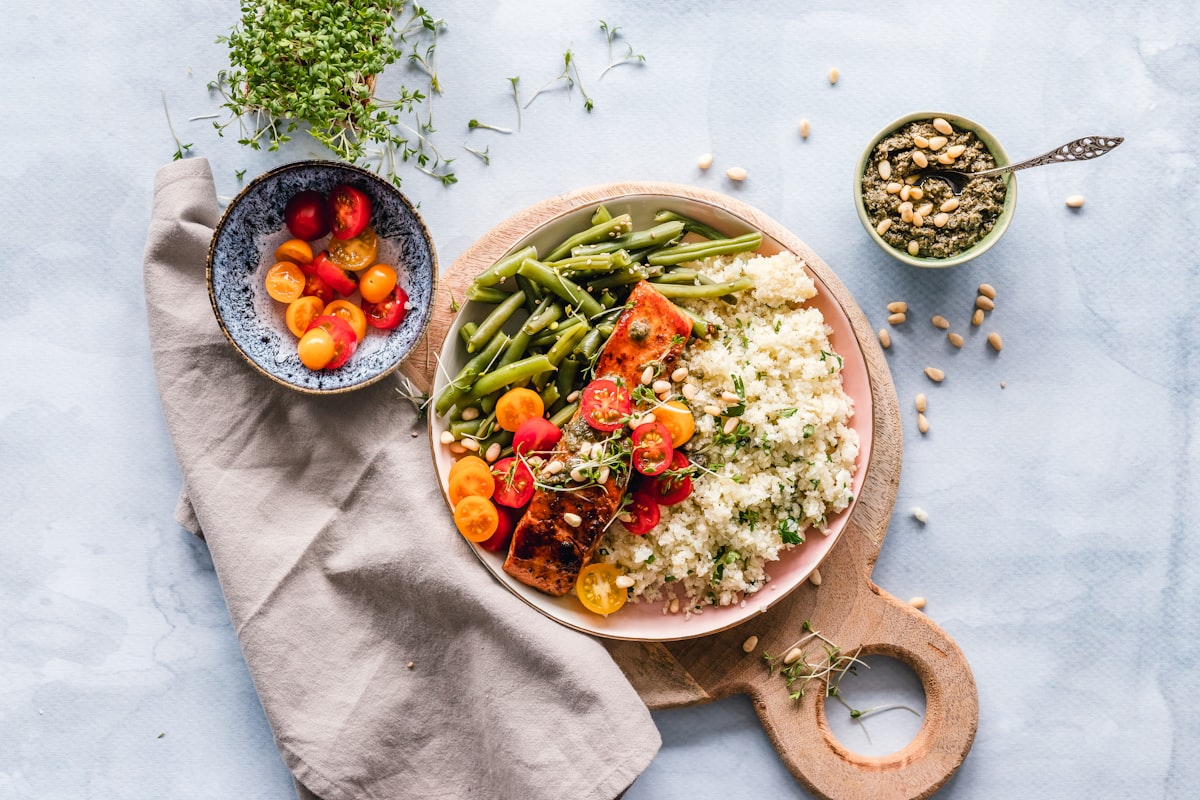
If you're not already a fan, it might be time to reconsider. Fatty fish are a top source of omega-3 fatty acids, specifically EPA and DHA, which are well-known for their powerful anti-inflammatory properties. Getting enough omega-3s can make a real difference.
- Salmon: Wild-caught is often preferred, but farmed can still be a good option.
- Mackerel: A smaller, oily fish that's also a great source of omega-3s.
- Sardines: Don't overlook these little guys; they're nutrient-dense and packed with omega-3s.
- Tuna: Especially albacore or skipjack, though be mindful of mercury content with frequent consumption.
Nuts and Seeds: Nutrient-Dense Choices
These small but mighty foods offer a good mix of healthy fats, fiber, and antioxidants. They make for a satisfying snack and can be added to meals for an extra nutritional boost.
- Almonds: A good source of vitamin E and magnesium.
- Walnuts: Stand out for their omega-3 content (ALA).
- Flaxseeds and Chia Seeds: Excellent sources of fiber and omega-3s; best consumed ground or soaked to improve nutrient absorption.
- Pumpkin Seeds: Provide magnesium and zinc.
Whole Grains and Legumes: Fiber-Rich Staples
These foods are foundational for a healthy diet, providing complex carbohydrates and plenty of fiber. Fiber is key for gut health, which is closely linked to inflammation levels throughout the body.
- Oats: A great source of beta-glucan, a type of soluble fiber.
- Quinoa: A complete protein and a good source of fiber.
- Brown Rice: A simple, whole-grain carbohydrate that's better than its refined counterpart.
- Lentils and Beans: Packed with protein, fiber, and various micronutrients. They are incredibly versatile in cooking.
When you start adding these beneficial foods into your daily meals, you'll find that they naturally start to push out less healthy options. It's less about strict rules and more about making conscious choices that support your body's well-being. Think of it as crowding out the bad with the good.
Beneficial Beverages and Spices

Coffee and Tea: More Than Just a Morning Ritual
So, that morning cup of coffee or afternoon tea? It might be doing more for you than just waking you up or helping you relax. Both coffee and tea are packed with compounds called polyphenols, which are plant-based antioxidants. These little powerhouses can help fight off inflammation in your body. Coffee, in particular, has been linked to reduced inflammation markers in some studies. Tea, especially green tea, is famous for its catechins, another type of antioxidant that’s really good at calming down inflammation. It's not just about the caffeine; it's the rich blend of natural compounds that makes these drinks so helpful.
Herbs and Spices: Flavorful Anti-Inflammatory Agents
Don't underestimate the power of your spice rack! Many common herbs and spices are not just for adding flavor; they're also potent anti-inflammatory agents. Think about turmeric, with its active compound curcumin, which has been studied extensively for its anti-inflammatory effects. Ginger is another star player, often used to soothe digestive issues and reduce inflammation. Cinnamon, cloves, rosemary, and garlic are also on the list. They contain various compounds that can help your body manage inflammation.
Here are a few to keep in mind:
- Turmeric: Known for curcumin, a strong anti-inflammatory.
- Ginger: Great for digestion and reducing swelling.
- Cinnamon: Contains antioxidants and may help regulate blood sugar.
- Garlic: Packed with sulfur compounds that have anti-inflammatory properties.
Adding these to your meals is a simple way to boost their health benefits without adding a lot of extra calories. Just a pinch here and there can make a difference over time.
Foods That Fuel Inflammation: What to Limit
Okay, so we've talked about the good stuff, the foods that help calm things down. Now, let's get real about the foods that can actually make inflammation worse. It's not about being perfect, but knowing what to cut back on can make a big difference in how you feel. These are the foods that tend to stir up trouble in your body.
Ultra-Processed Foods: The Primary Culprits
These are the ones that have been messed with a lot, usually in factories. Think about things that come in bright packages with long ingredient lists you can barely pronounce. They often have added sugars, unhealthy fats, tons of salt, and all sorts of artificial stuff to make them taste good and last longer on the shelf. Eating too many of these can really get your body's inflammation system going.
Sugary Foods and Beverages: Empty Calories and Inflammation
We all love a sweet treat now and then, right? But when sugar becomes a regular thing, especially in drinks like soda or those fancy coffee concoctions, it can be a problem. Your body doesn't really need added sugar to function, and when you consume too much, it can mess with your immune system and kickstart inflammation. It's like giving your body a little jolt of trouble every time you have that sugary drink.
Refined Carbohydrates: Impact on Blood Sugar
These are the carbs that have had all the good stuff, like fiber and nutrients, stripped away. White bread, white rice, and many pastries fall into this category. Because they're so processed, they can cause your blood sugar to spike pretty quickly. When your blood sugar goes up and down like a roller coaster, it can contribute to inflammation over time. It's not just about the carbs themselves, but how they make your body react.
Processed and Red Meats: A Complex Relationship
Processed meats like bacon, hot dogs, and deli meats are often preserved with salt, smoking, or curing. They can contain compounds that, when cooked at high heat, might not be the best for you. As for red meat, like beef or pork, the research is a bit mixed. While an occasional lean cut might be okay for some, eating a lot of it seems to be linked to higher levels of inflammation markers in the body. It's one of those things where moderation is probably key, and maybe swapping it out more often than not.
When you're looking at your plate, try to spot the foods that are closer to how they grew or were raised. The more a food has been changed from its natural state, the more likely it is to cause issues. It's a good general rule to keep in mind when you're trying to eat better.
Here's a quick rundown of what to watch out for:
- Ultra-processed snacks and meals: Think chips, cookies, frozen dinners with lots of ingredients.
- Sugary drinks: Sodas, sweetened teas, fruit juices with added sugar.
- Refined grains: White bread, white pasta, most breakfast cereals.
- Processed meats: Bacon, sausage, deli meats, hot dogs.
- Fried foods: French fries, fried chicken, anything deep-fried.
Building Your Anti-Inflammatory Diet
So, you've learned about the foods that help calm inflammation and the ones that tend to stir it up. Now comes the fun part: actually putting it all together into a diet that works for you. It might sound like a big overhaul, but honestly, it's more about making smart swaps and focusing on what you _can_ add to your plate.
Focus on Whole, Minimally Processed Foods
This is really the bedrock of an anti-inflammatory eating plan. Think about foods in their most natural state, or as close to it as possible. Instead of grabbing a box of crackers, reach for a whole apple. Swap out sugary cereal for a bowl of oatmeal topped with berries and nuts. It's about choosing the actual fruit, the whole grain, the unprocessed meat, rather than the highly manufactured versions. Cooking from scratch with these whole ingredients gives you so much more control over what you're eating.
Consider Dietary Patterns Like the Mediterranean Diet
Sometimes, looking at established eating patterns can make things simpler. The Mediterranean diet is a great example. It's not a strict set of rules, but more of a guideline that naturally aligns with anti-inflammatory principles. It emphasizes:
- Plenty of fruits and vegetables
- Whole grains and legumes
- Healthy fats from olive oil, nuts, and seeds
- Fish, especially fatty fish, a few times a week
- Moderate amounts of poultry and dairy
- Limited red meat and sweets
This way of eating is already linked to better health outcomes, and it's packed with the kinds of foods we've been talking about.
Tips for Making Healthy Choices Convenient
Let's be real, life gets busy. Making healthy food choices shouldn't feel like a chore. Here are a few ideas to make it easier:
- Meal Prep: Spend a little time on the weekend chopping veggies, cooking a batch of grains, or portioning out nuts for snacks. Having healthy options ready to go makes a huge difference during the week.
- Smart Shopping: Fill your cart with produce, lean proteins, and whole grains. Keep your pantry stocked with things like canned beans, nuts, seeds, and whole-grain pasta. Try to limit trips down the processed food aisles.
- Simple Swaps: Instead of white bread, choose whole wheat. Swap sugary drinks for water, herbal tea, or sparkling water with a splash of fruit juice. Reach for yogurt instead of ice cream for dessert.
Building an anti-inflammatory diet is less about restriction and more about abundance. Focus on filling your plate with colorful, nutrient-dense foods that make you feel good. Small, consistent changes add up over time, leading to significant improvements in how you feel.
Personalizing Your Anti-Inflammatory Approach
Identifying Potential Trigger Foods
So, you're trying to eat better to calm down inflammation, which is great. But sometimes, even foods that are generally considered healthy can cause problems for _you_ specifically. This is especially true if you have a sensitive gut or conditions like IBS. It's not about a one-size-fits-all diet; it's about figuring out what works for your body. You might find that while berries are fantastic for most people, they don't agree with you. Or maybe spicy peppers, which are often praised for their anti-inflammatory properties, end up causing heartburn. Paying attention to how you feel after eating is key. Keep a food diary for a week or two. Jot down what you eat, when you eat it, and any symptoms you experience afterward – bloating, discomfort, fatigue, you name it. This can help you spot patterns that might be hard to see otherwise.
The Role of Registered Dietitians
If you're feeling lost or if you have specific health concerns, talking to a registered dietitian can make a huge difference. They're trained to look at your whole picture – your health history, your lifestyle, your food preferences, and yes, even your cultural background – and help you create a plan that's actually doable. They can help you figure out those tricky trigger foods or just guide you on how to add more beneficial foods without feeling overwhelmed. Think of them as your personal food detective and guide, all rolled into one. They can help you build a diet that not only fights inflammation but also fits your life.
Integrating Lifestyle Factors for Reduced Inflammation
Eating well is a big piece of the puzzle, but it's not the only piece. To really get a handle on inflammation, you've got to look at the whole picture. Things like getting enough sleep, managing stress, and moving your body regularly all play a part. It's like building a strong house; you need a solid foundation, but you also need sturdy walls and a good roof. All these elements work together.
Here are a few things to consider alongside your diet:
- Sleep: Aim for 7-9 hours of quality sleep each night. It's when your body does a lot of its repair work.
- Stress Management: Find ways to relax that work for you, whether it's deep breathing, spending time in nature, or listening to music.
- Physical Activity: Regular movement, even just a brisk walk, helps keep inflammation in check. Find something you enjoy so you stick with it.
- Hydration: Drinking enough water is simple but important for overall bodily functions.
Remember, making changes doesn't have to happen all at once. Small, consistent steps are often more effective in the long run than trying to overhaul everything overnight. Be patient with yourself and celebrate the small wins along the way.
Wrapping It Up
So, we've talked a lot about foods that can help calm down inflammation in your body. It’s not about being perfect all the time, because life happens, right? But making small changes, like swapping out some processed snacks for a handful of nuts or adding more colorful veggies to your plate, can really make a difference over time. Think of it as giving your body a little extra support. Focusing on whole foods, like fruits, veggies, and healthy fats, is a good way to go. And remember, if you're dealing with specific health issues, chatting with a doctor or a dietitian can offer personalized advice. It’s all about finding what works best for you and your body.
Frequently Asked Questions
What exactly is inflammation?
Think of inflammation as your body's defense system. When you get a cut or catch a cold, your body sends out signals to help heal and fight off germs. That's a good kind of inflammation. But sometimes, it sticks around too long, like a party guest who won't leave, and that can cause problems.
Can food really make inflammation worse?
Yes, it can! Certain foods, especially those that are highly processed and full of sugar or unhealthy fats, can make that long-lasting inflammation worse. It's like adding fuel to a fire. On the flip side, other foods can help calm things down.
What are some of the best foods to eat to fight inflammation?
You'll want to fill your plate with colorful fruits and veggies, like berries and leafy greens. Fatty fish such as salmon are great too, as are nuts, seeds, and whole grains. Even a cup of coffee or tea can be helpful!
Are there any drinks that help reduce inflammation?
Absolutely! Water is always a good choice. Coffee and tea, especially green tea, are also known for their anti-inflammatory properties. They contain special compounds that can help your body fight off inflammation.
What foods should I try to avoid if I want to eat less inflammatory foods?
It's best to cut back on things like sugary drinks (soda!), candy, baked goods, and fast food. Processed meats like hot dogs and bacon, and foods made with white flour, like white bread and pastries, can also contribute to inflammation.
How can I start eating more anti-inflammatory foods?
Instead of thinking about all the foods you have to give up, focus on adding more good stuff. Try adding an extra serving of vegetables to your dinner, swapping your usual snack for a handful of nuts, or choosing whole-grain bread. Small changes add up!