Mediterranean Mastery: A Low Oxalate Pillar Guide to Adapting Classic Recipes for Kidney and Gut Health
Feel like the “healthy” Mediterranean diet is hurting you? I'll show you how to adapt this beautiful way of eating for a low oxalate lifestyle, without sacrificing flavor or joy.
Mediterranean mastery: a low oxalate pillar guide to adapting classic recipes for kidney and gut health
Have you ever felt like your body is at war with your diet? You hear from everyone that the Mediterranean way of eating is the key to a long, healthy life, but when you try it, you're left feeling… off. Maybe it's the familiar, nagging pain of kidney stones, frustrating gut issues, or a sense of inflammation that just won't budge. It can feel incredibly confusing and isolating when the world's “healthiest” diet seems to be making you feel worse.
I want you to know you're not alone in this, and you're not imagining it. There's a real biochemical reason for this conflict, and it comes down to tiny plant compounds called oxalates. The good news is, you absolutely don't have to give up on the vibrant, delicious, and life-giving principles of Mediterranean eating. You just need a new map, and I'm here to share it with you.
The Mediterranean-oxalate paradox: why “healthy” can hurt
So, what exactly are oxalates? They're naturally occurring compounds found in many plants. In most people, they pass through the digestive system without any trouble. For some of us, though—especially if you're a kidney stone former or have certain gut health conditions—they can be a big problem. These little compounds can bind with minerals like calcium and form sharp crystals, leading to pain and inflammation.
Here’s where the paradox comes in. The Mediterranean diet is celebrated for its heavy reliance on plants, but unfortunately, many of its most iconic staples are loaded with oxalates. It’s a classic case of the right intention with the wrong ingredients for your unique body. When you see the numbers, it all starts to make sense.
Take a look at some of the all-stars of the traditional Mediterranean plate:
- Spinach (1/2 cup, cooked): A staggering 755 mg of oxalate.
- Swiss Chard (1/2 cup, cooked): Not far behind at 660 mg.
- Almonds (1 ounce, about 23 nuts): A crunchy 122 mg.
- Sweet Potatoes (1 medium): A surprising 141 mg.
- Tahini (from sesame seeds, 2 tbsp): Around 100 mg.
- Navy Beans (1/2 cup, cooked): A hefty 76 mg.
- Dark Chocolate (1 ounce): About 71 mg.
For context, people who are actively forming kidney stones are often advised to stay under 50 mg of oxalate *per day*. Those in prevention mode or dealing with other oxalate sensitivities are usually given a daily budget of about 100 mg. You can see how quickly things go wrong. A single “healthy” Mediterranean salad with a spinach base, some sliced beets, a sprinkle of almonds, and a tahini dressing could easily push you over 1,000 mg of oxalate in one meal. That’s ten times the recommended daily limit!
It’s no wonder you’ve been feeling unwell. But recognizing this conflict is the first and most powerful step toward feeling better. Now, we can start to rebuild, keeping all the joy and flavor while gently removing the triggers.
Building your low oxalate Mediterranean foundation
This is where the hope comes flooding back in. A low oxalate Mediterranean diet isn't about deprivation; it's about strategic focus. The core pillars of this eating style—the things that make it so powerfully anti-inflammatory and heart-healthy—are actually naturally low in oxalates. We just need to shine a spotlight on them.
Let’s build your new foundation from the ground up, focusing on all the delicious foods you can enjoy in abundance.
The undisputed star: extra virgin olive oil
This is the heart and soul of Mediterranean cooking, and I have amazing news for you: extra virgin olive oil has zero oxalates. You can use it generously. Drizzle it on salads, use it for sautéing, and let it be the flavor-packed base for all your meals. This is one area where you don't have to change a thing.
The protein backbone: fish and seafood
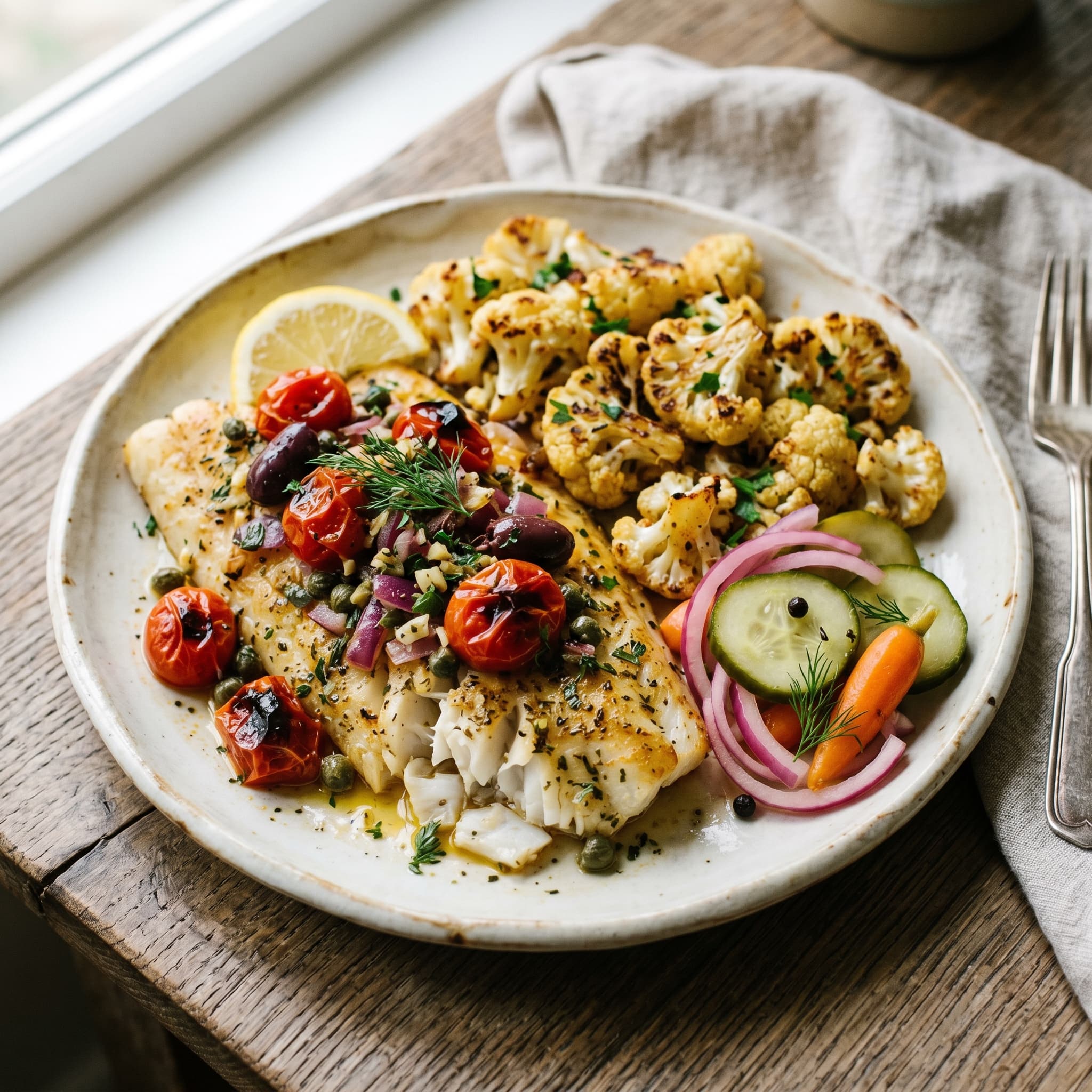
Another cornerstone of the Mediterranean diet is its emphasis on fish and seafood, which are also completely free of oxalates. Aiming for fatty fish like salmon, sardines, and mackerel two to three times a week provides a huge dose of anti-inflammatory omega-3 fatty acids. White fish like cod, sea bass, and halibut are also fantastic, as are shrimp and scallops. Lean poultry like chicken and turkey are great low-oxalate choices, too.
The garden of delights: low oxalate produce
This is where we get to be creative. While we’re setting aside spinach and beets, we’re welcoming a whole host of other vibrant, nutrient-dense vegetables and fruits. You have so many options!
- “Go-For-It” Vegetables: Arugula, romaine lettuce, butter lettuce, cucumber, zucchini, bell peppers (all colors!), cauliflower, cabbage, mushrooms, radishes, turnips, and onions are all very low in oxalates and can be eaten freely.
- Friendly Fruits: Apples, pears, grapes, melons (cantaloupe, watermelon, honeydew), cherries, peaches, plums, and most berries (in moderation) are wonderful choices for a sweet, hydrating treat.
The flavor makers: herbs and aromatics
So much of the magic of Mediterranean food comes from its liberal use of fresh herbs. While parsley is surprisingly high in oxalates, many other classics are perfectly safe. Get friendly with fresh basil, mint, dill, rosemary, and thyme. And of course, garlic is a low-oxalate powerhouse that brings incredible flavor to almost any savory dish.
The art of the swap: reimagining Mediterranean staples
Okay, this is where we get into the really practical, game-changing stuff. Knowing what to avoid is one thing, but knowing the perfect, delicious thing to use *instead* is what makes this lifestyle sustainable and joyful. Let's walk through the most common high-oxalate Mediterranean foods and their brilliant low-oxalate stand-ins.
H3: The greens swap: arugula for spinach
This is probably the single most important swap you can make. That 755 mg of oxalate in a half-cup of cooked spinach is just too high a price to pay. Instead, fall in love with peppery arugula, which has a tiny fraction of the oxalate content. It’s fantastic in salads, wilted into pasta, or piled on top of a slice of pizza. For a milder green, romaine and butter lettuce are your best friends for salads and wraps.
H3: The nut and seed swap: pistachios for almonds
Almonds and almond flour are everywhere in Mediterranean and health-food cooking, but their oxalate load is significant. Instead, reach for pistachios, pecans, or macadamia nuts, which are all much lower in oxalates. For seeds, swap high-oxalate chia and sesame for pumpkin seeds and flax seeds, which are excellent sources of minerals and fiber with a much lower oxalate price tag.
H3: The dip and spread swap: sunflower seed butter for tahini
Love hummus? Me too. The problem is that tahini, made from sesame seeds, is a major oxalate contributor. The fix is surprisingly simple and delicious: make your hummus with sunflower seed butter (often called SunButter) or simply leave the sesame paste out altogether. A creamy hummus made from chickpeas, garlic, lemon juice, olive oil, and a scoop of sunflower seed butter is rich, satisfying, and so much gentler on your system.
H3: The legume swap: a careful approach to beans
Many beans, like navy and black beans, are quite high in oxalates. Legumes are a tricky category, but you don't have to avoid them completely. Chickpeas (garbanzo beans) and lentils are considered more moderate. The key here is portion control and pairing. Never have a giant bowl as your entire meal. Instead, enjoy a half-cup serving alongside a calcium-rich food like feta cheese, which helps bind the oxalates in your gut (more on that later!).
H3: The grain swap: white for whole wheat
This one can feel really counterintuitive because we’ve been told for decades that “whole grain is better.” But when it comes to oxalates, the opposite is often true. The bran and germ of grains, where most of the nutrients are, is also where most of the oxalates are stored. This means that refined grains are actually safer for you.
Feel free to enjoy:
- White rice, like basmati or jasmine
- White sourdough bread
- Couscous and polenta
- Standard white pasta made from semolina
You’ll want to be very careful with bran, buckwheat, and quinoa, which are all notoriously high in oxalates.
H3: The veggie swap: zucchini for sweet potato
Roasted sweet potatoes are a modern Mediterranean favorite, but they pack a high-oxalate punch. For that same comforting, slightly sweet, roasted vegetable experience, turn to butternut or acorn squash (in moderation) or, even better, zucchini and yellow summer squash. For that crunchy, earthy bite in a salad where you might have used beets, try thinly sliced radishes instead.
A day on the low oxalate Mediterranean plan
Seeing how this all comes together in a day of meals can make it feel much more real and achievable. Let's walk through a sample day that’s delicious, satisfying, and keeps you well within a safe oxalate budget (around 50-60 mg for the whole day!).
Breakfast (~10 mg oxalate)
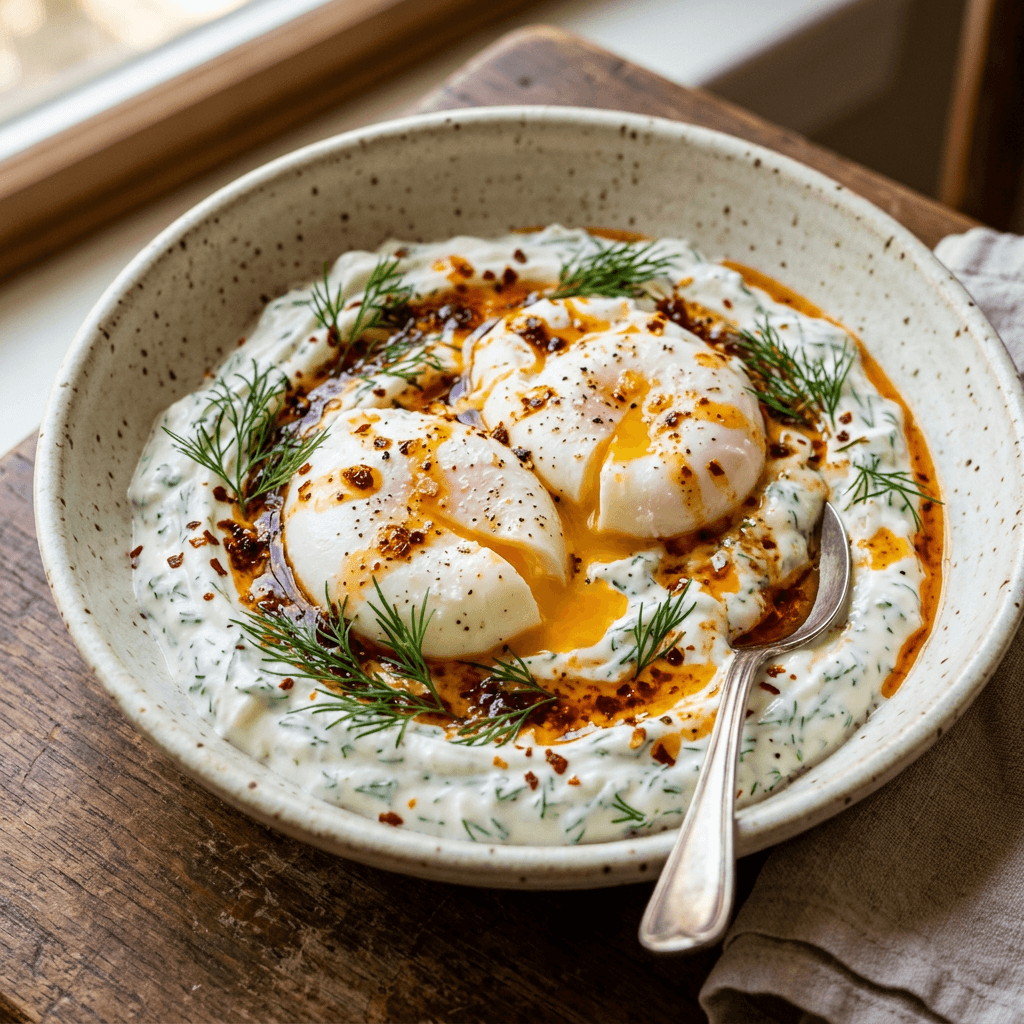
Start your day the Greek way. A bowl of full-fat Greek yogurt provides protein and a fantastic dose of calcium. Top it with a small handful of blueberries, a tablespoon of pumpkin seeds for crunch, and a drizzle of honey. It’s creamy, satisfying, and incredibly low in oxalates. Or, try a Turkish-inspired breakfast of a hard-boiled egg, slices of cucumber and tomato, a few olives, a piece of feta cheese, and a slice of white sourdough toast.
Lunch (~15 mg oxalate)
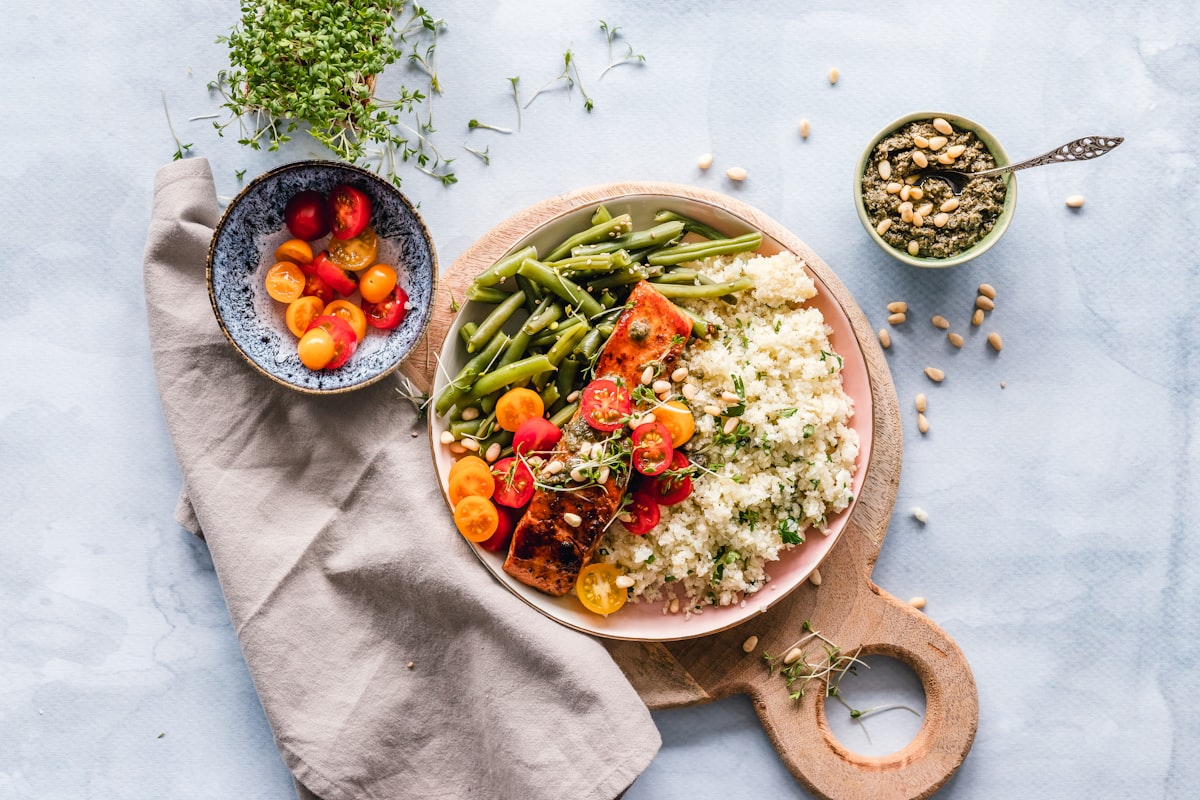
Let's build a big, beautiful “Anti-Inflammatory Plate” salad. Start with a generous base of romaine lettuce and arugula. Top it with a can of high-quality sardines packed in olive oil or a piece of grilled salmon. Add plenty of chopped cucumber, red bell pepper, and red onion. Finish with a simple dressing of extra virgin olive oil, fresh lemon juice, and a pinch of salt. This meal is packed with omega-3s, fiber, and flavor, and is incredibly gentle on your system.
Dinner (~20 mg oxalate)
For dinner, let's make something warm and comforting. Our GentleFeast Mediterranean Stacked Roast is a perfect example. It features layers of roasted low-oxalate vegetables like white onion, orange bell pepper, and green bell pepper, all seasoned with classic Mediterranean herbs like rosemary and thyme. You can serve this beautiful vegetable stack alongside a simple grilled chicken breast or a flaky piece of cod for a complete, elegant meal that feels special without any of the dietary stress.
Snacks (~5 mg oxalate)
If you get hungry between meals, you have plenty of great options. An apple with a slice of mozzarella cheese, a handful of pistachios, a bowl of juicy cantaloupe, or a few spoonfuls of cottage cheese are all excellent, low-oxalate choices that will keep you energized.
Beyond the plate: smart strategies for success
Mastering the low oxalate Mediterranean diet isn't just about the food swaps. There are a few key strategies that work behind the scenes to protect your body and make the whole process easier and more effective.
Embrace calcium at every meal
This is your secret weapon. When you eat calcium-rich foods along with foods that contain some oxalate, the two bind together in your stomach and intestines. This new, larger compound is then unable to be absorbed into your bloodstream and is safely escorted out of your body. This is a powerful protective mechanism!
Think about adding:
- A sprinkle of feta or parmesan cheese on your salad or pasta
- A dollop of Greek yogurt or labneh with your meal
- Enjoying a glass of milk with your breakfast
This simple habit dramatically reduces the amount of oxalate your body actually absorbs from any given meal.
Hydration is your hero (especially with lemon!)
Staying well-hydrated is crucial for everyone, but it's especially important when you're prone to kidney stones. Good hydration keeps your urine diluted, making it harder for crystals to form. You can take this a step further by adding a generous squeeze of fresh lemon juice to your water.
Lemon juice is rich in citrate, a natural compound that is a potent inhibitor of calcium oxalate stone formation. It essentially runs interference in your kidneys, preventing the crystals from sticking together. A glass of lemon water a few times a day is a simple, refreshing, and powerful preventative habit.
Watch for oxalate “stacking”
This is a concept that helps explain why you might feel bad even when you think you're choosing “safe” foods. One food that's moderately high in oxalates might be fine on its own. But if you have three or four moderate-oxalate foods in the same meal, their amounts can “stack up” and push you over your daily limit. For example, a meal of lentils (moderate), with a side of steamed broccoli (moderate), and a few squares of dark chocolate for dessert (moderate) could easily add up to a high-oxalate experience. Being mindful of the whole meal, not just the individual ingredients, is key.
Your quick-start low oxalate Mediterranean shopping list
Feeling ready to get started? Having the right things in your kitchen is half the battle. Here’s a shopping list you can take with you to the store to stock your pantry and fridge for success.
- Produce: Arugula, romaine lettuce, butter lettuce, cucumbers, zucchini, bell peppers (all colors), cauliflower, cabbage, mushrooms, radishes, garlic, onions, lemons, apples, pears, melons, grapes, cherries, plums, blueberries.
- Proteins: Salmon, cod, sardines, mackerel, shrimp, chicken, turkey, eggs.
- Healthy Fats: Extra virgin olive oil, avocado oil, pistachios, pecans, macadamia nuts, pumpkin seeds.
- Dairy & Alternatives: Plain Greek yogurt, feta cheese, parmesan cheese, mozzarella cheese, cottage cheese, milk, unsweetened coconut milk.
- Grains & Starches: White rice (basmati, jasmine), white sourdough bread, white pasta, couscous, polenta.
- Pantry & Flavor: Canned sardines, capers, olives, fresh basil, fresh mint, fresh dill, fresh rosemary, dried oregano, thyme, sea salt, black pepper.
Look at that list. It's not a list of restrictions; it's a list of abundance. It’s packed with color, flavor, and incredible nutrition. This is the foundation of your new, joyful way of eating.
You don't have to choose between the celebrated benefits of a Mediterranean diet and the peace of a happy, comfortable body. By making these smart, strategic adaptations, you can absolutely have both. It’s about working *with* your body, listening to its needs, and giving it the beautiful, delicious food it needs to thrive.
Here’s your first small step: this week, just make one swap. The next time you make a salad, use arugula instead of spinach. That’s it. See how easy and delicious it is, and know that you're on your way. You've got this.