Beyond the Grill: Creative Low Histamine Cooking Methods for Flavorful Meals
Discover how to transform your kitchen with creative low histamine cooking techniques! I'll show you how to embrace freshness, master quick-cook methods, and use the "cook and freeze" strategy to enjoy flavorful, worry-free meals.
Beyond the Grill: Creative Low Histamine Cooking Methods for Flavorful Meals
It's tough, isn't it? When you're navigating histamine intolerance, it can feel like your kitchen has become a minefield of 'don'ts' and 'can'ts.' You might be wondering if delicious, exciting meals are even possible anymore, especially when so many traditional cooking methods seem off-limits. I completely get that feeling of frustration and limitation.
But here's the really good news: you don't have to sacrifice flavor or variety! I've been looking into this, and I'm so excited to share how a few smart shifts in your cooking techniques can unlock a whole new world of incredibly tasty, low histamine meals. Let's get you feeling confident and celebratory in your kitchen again!
The Golden Rule: Freshness is Your Flavor Friend in Low Histamine Cooking
When it comes to managing histamine intolerance, it's not just about *what* you eat, but *how fresh* it is and *how quickly* you cook it. Unlike other dietary needs, histamine levels can increase over time, even in otherwise 'safe' foods. This means a food that's perfectly fine when super fresh might cause trouble after it's been sitting around.
So, our foundational principle for low histamine cooking is simple: **freshness is everything**. This isn't just a suggestion; it's a game-changer. We want to cook ingredients as soon as possible after you buy them or thaw them, and then get them ready for consumption or proper storage without delay.
Mastering Your Kitchen Toolkit: Best Low Histamine Cooking Techniques
The key to keeping histamine levels low is often about speed and temperature. We're looking for cooking methods that get your food from raw to done as quickly and efficiently as possible. This helps to minimize the time histamine has to develop.
Let's dive into some of my favorite, most effective **low histamine cooking techniques**:
-
Pressure Cooking (Think Instant Pot!): Oh, what a lifesaver this is! Pressure cooking is incredibly fast, and because it's a sealed environment, it cooks food quickly while helping to lock in nutrients. You can even cook some things from frozen, which is a huge win for freshness. It's fantastic for chicken, beef, pork, and even grains or soups.
-
Air Frying: If you haven't tried an air fryer yet, you're in for a treat! These handy appliances cook with super-hot, circulating air, giving you crispy results in a fraction of the time of a traditional oven. It's perfect for chicken pieces, fish fillets, and almost any vegetable you can imagine.
-
Flash Pan-Frying or Searing: This method is all about high heat and short cooking times. Think thin cuts of meat, fresh eggs, or quickly sautéed veggies. You want to get a lovely sear on the outside while cooking the inside just enough, without letting it linger on the heat.
-
High-Heat Oven Roasting: When you're roasting, crank up that oven! Temperatures between 400-450°F (200-230°C) help cook food quickly and evenly, creating delicious caramelization without extended cooking times. It's wonderful for chicken, fish, and a medley of fresh vegetables.
-
Steaming: Gentle and quick, steaming is a fantastic way to cook delicate foods like fish fillets and most vegetables. It preserves their natural flavors and nutrients beautifully, and it's super fast, especially with a steamer basket over boiling water.
-
Grilling: Just like high-heat roasting or pan-frying, grilling uses direct, high heat to cook foods quickly. Think fresh steaks, chicken breasts, or colorful vegetable skewers. It's a great way to infuse a smoky flavor without the long, low-temperature process of smoking.
Methods to be careful with or avoid include slow cooking, long marinating, and traditional braising, simply because they involve extended cooking or sitting times where histamine can build up. But don't worry, there are always quick-cook alternatives!
The "Cook and Freeze" Game Changer for Low Histamine Meal Ideas
This is probably one of the most empowering **low histamine cooking techniques** you'll learn! Forget traditional meal prep where you cook on Sunday and refrigerate for the week. For histamine intolerance, that just doesn't work; refrigerated leftovers can develop significant histamine within 24-48 hours.
The solution? It's called the "cook and freeze" method, and it's a total game-changer for enjoying delicious, ready-to-eat low histamine meal ideas without worry.
How the "Cook and Freeze" Method Works
-
Cook Fresh & Fast: Prepare your protein (meat, fish, poultry) using one of our recommended quick-cook methods.
-
Portion Immediately: As soon as the food is cooked, while it's still hot, divide it into single-serving portions. Don't let it sit out to cool slowly!
-
Flash Freeze Within 30 Minutes: Get those portions into the freezer as quickly as possible, ideally within 30 minutes of cooking. This rapid cooling stops histamine formation in its tracks.
-
Store Smartly: Use airtight, single-serving containers (glass is often preferred) and label them with the date and contents. You'll want to use these within 2-3 months for the best quality.
-
Thaw & Reheat Quickly: When you're ready to eat, thaw your portion quickly. A cold water bath (15-30 minutes) or the microwave are good options. Avoid thawing in the refrigerator overnight, as this gives histamine time to develop. Once thawed, reheat thoroughly until piping hot, and then enjoy immediately.
This method works because freezing at -18°C (-4°F) effectively halts histamine development. By freezing in single portions, you avoid repeated thaw-freeze cycles, and quick thawing minimizes any new histamine formation during defrosting.
Crafting Delicious Low Histamine Meal Ideas with Your New Skills
Now that you've got the techniques down, let's talk about putting them into action with some truly delicious **low histamine meal ideas**. Remember, our goal is fresh, flavorful, and fast!
Quick & Vibrant Main Courses
-
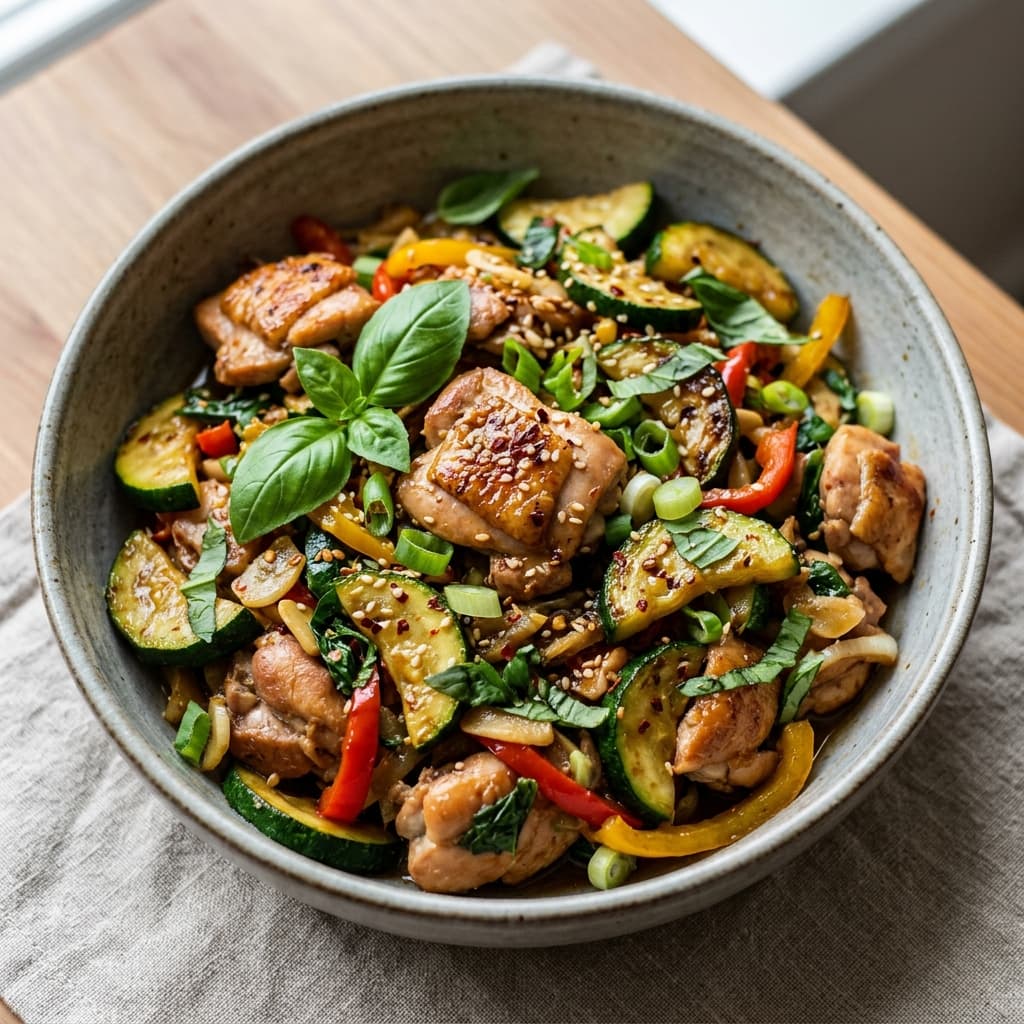
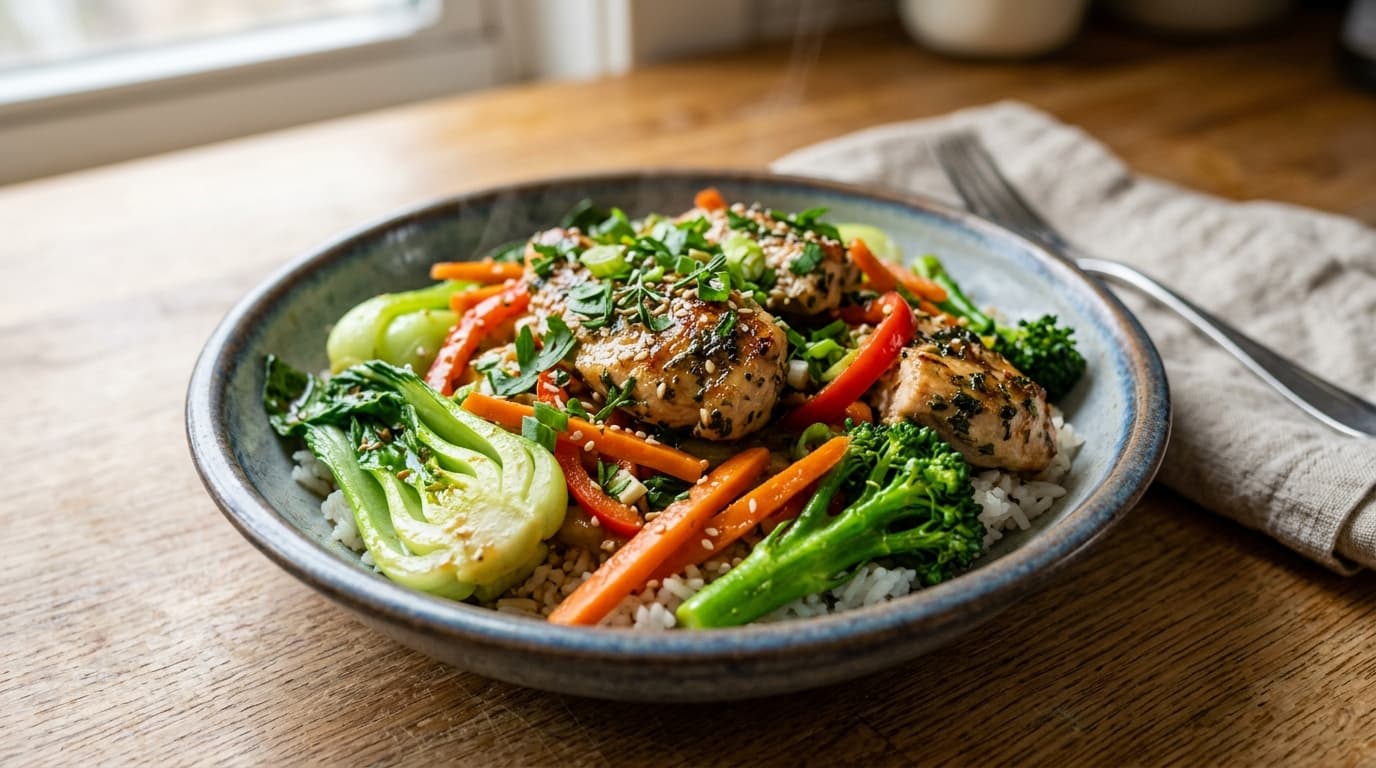
Vibrant Low-Histamine Chicken & Bok Choy Stir-Fry: This is a fantastic example of a quick-cook meal. You're using chicken thighs, which cook quickly, along with crisp bok choy and aromatic ginger. The whole thing comes together in about 25 minutes (15 prep, 10 cook), making it perfect for the flash pan-frying or high-heat stir-frying method. It's full of fresh flavors and totally satisfying!
-
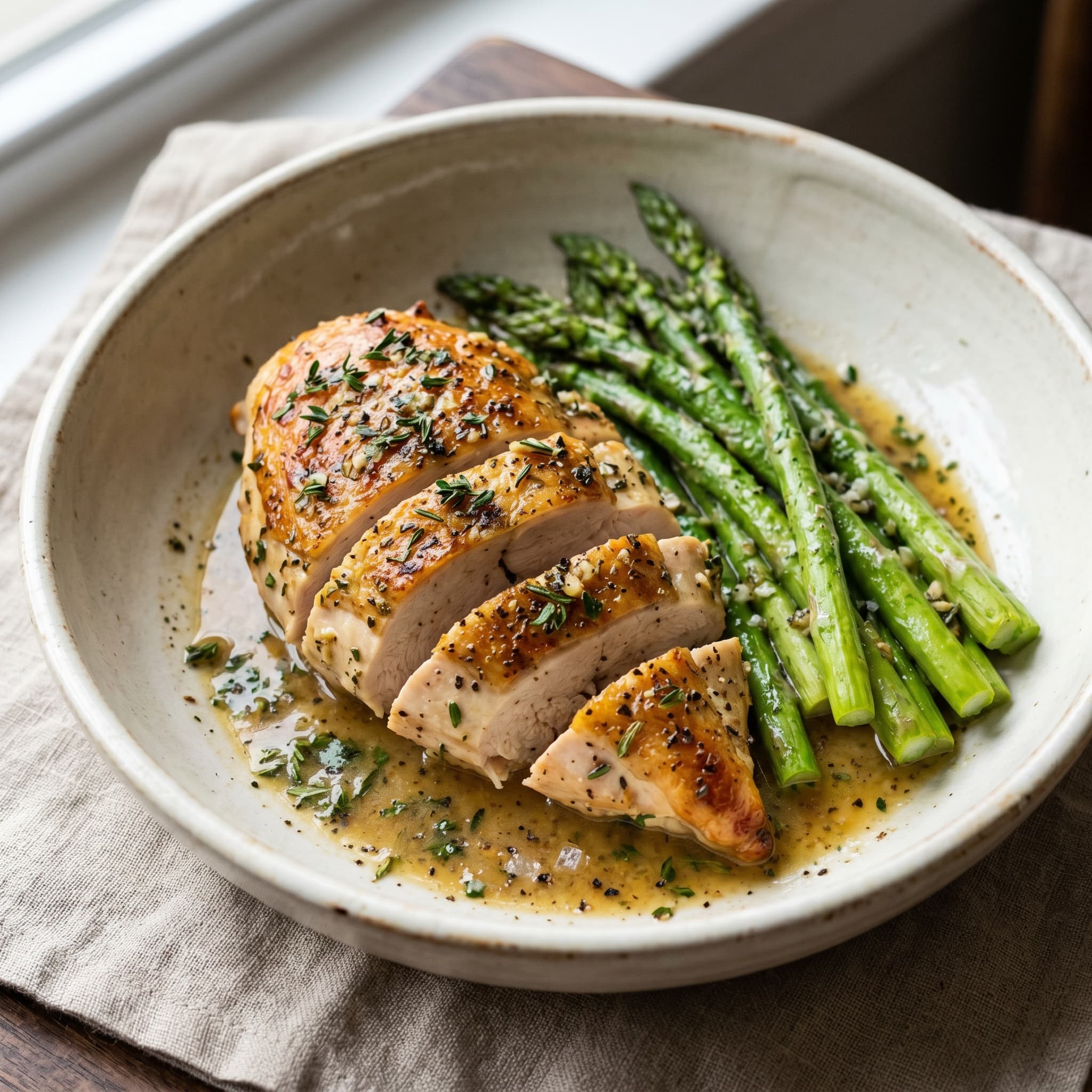
Fresh Herb Chicken with Roasted Veggies: Imagine tender chicken breast cooked quickly (either flash pan-fried or high-heat roasted) alongside colorful broccoli, carrots, and courgettes, all infused with fresh parsley, rosemary, and thyme. This Mediterranean-inspired meal is ready in about 30 minutes and showcases how simple, fresh ingredients can shine.
-
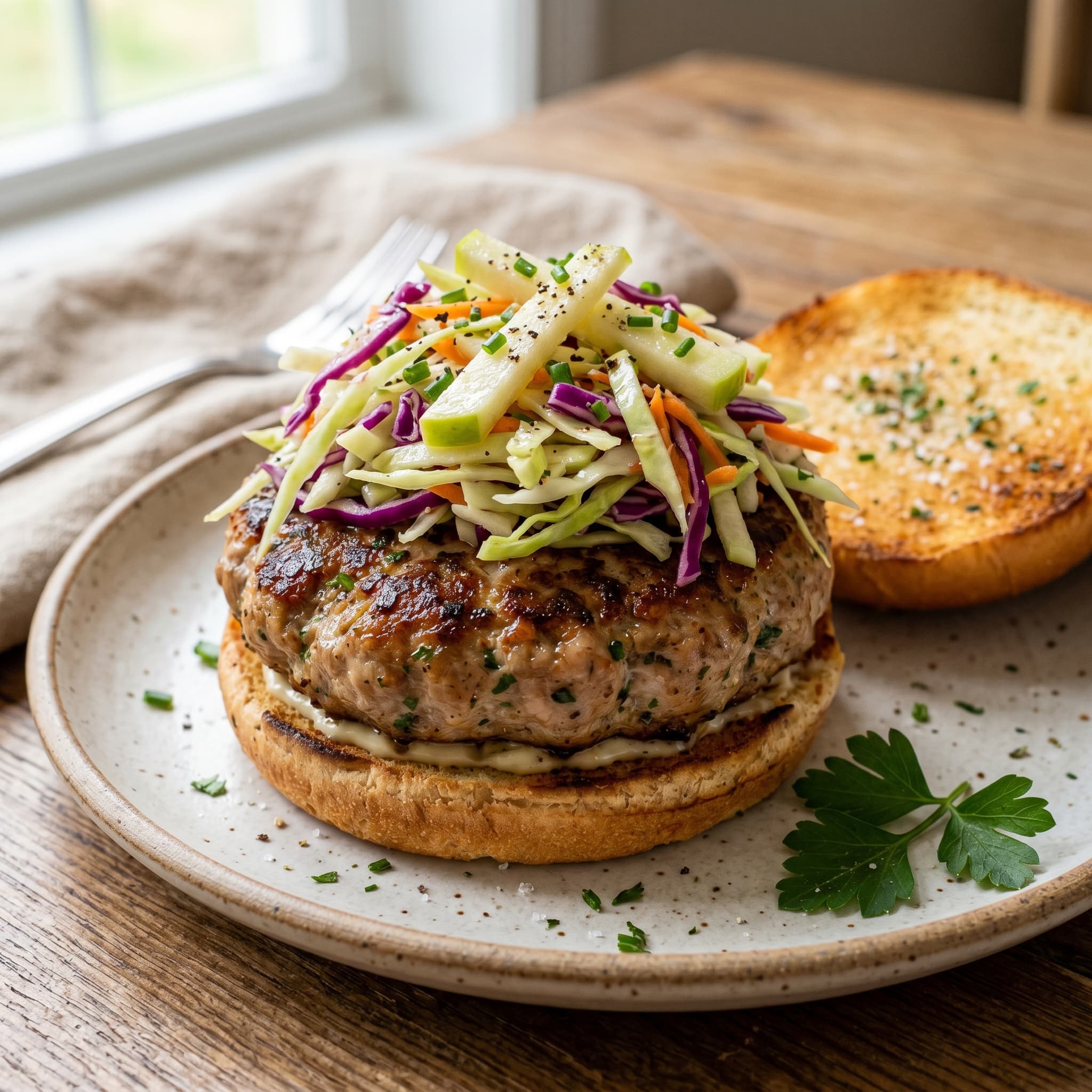
Low-Histamine Mediterranean Turkey & Vegetable Skillet: This one-pan wonder uses lean ground turkey, which cooks incredibly fast. Combined with a medley of fresh vegetables like carrots, zucchini, and bell pepper, and seasoned with fresh herbs, it's a super efficient way to get a balanced, flavorful meal on the table in about 45 minutes total. It’s ideal for a quick sauté or high-heat skillet cooking.
Building Your Plate: Smart Ingredient Choices
Alongside your cooking methods, thoughtful ingredient selection makes all the difference. Always prioritize the freshest possible ingredients, especially proteins. When it comes to vegetables, you've got a world of options!
-
Proteins: Fresh chicken, turkey, and certain fish (like cod or sole, cooked *very* fresh) are great choices. Remember the "cook and freeze" rule for any leftovers.
-
Vegetables: Think about what cooks quickly and adds vibrancy. Bok choy, broccoli, carrots, zucchini, bell peppers, leafy greens, and water chestnuts are wonderful. Fresh herbs like parsley, chives, rosemary, and thyme are your best friends for flavor without added histamine.
-
Healthy Fats: Extra virgin olive oil, safflower oil, and garlic-infused oil can add lovely richness and flavor.
Beyond the Plate: Smart Kitchen Habits for Histamine Management
It's not just about *how* you cook, but also *how you manage your ingredients* before and after cooking. These habits will make a huge difference in your low histamine journey.
Shopping & Prep Savvy
-
Shop Fresh, Cook Fast: Buy your proteins and produce when you plan to cook them soon. The less time they spend waiting, the better.
-
Batch Cook & Freeze: Remember our "cook and freeze" technique! This isn't just for proteins; you can do this with some cooked grains or even blanched vegetables if you're quick about it.
-
Use Fresh Herbs Generously: They're packed with flavor and don't contribute to histamine. They're a fantastic alternative to many pre-made sauces or spice blends that might contain problematic ingredients.
Storing & Reheating Wisdom
-
No Slow Cooling: Never leave cooked food out on the counter to cool slowly. Get it portioned and into the freezer or fridge (if eating immediately) right away.
-
Thaw Smart: For frozen meals, always thaw quickly using a cold water bath or microwave, and then reheat to a piping hot temperature. Warming food just until lukewarm isn't enough to kill potential bacteria, and it allows histamine to develop.
-
Say No to Refreezing: Once food is thawed, don't refreeze it. Plan your portions so you only thaw what you'll eat.
Bringing it All Together: Your Low Histamine Kitchen Confidence Plan
Learning to cook with histamine intolerance can feel like a big adjustment, but I truly believe it's an opportunity to discover new flavors and build incredible confidence in your kitchen. You're not just avoiding foods; you're embracing a fresh-focused, vibrant way of eating that celebrates every ingredient.
You've got this! Start small. Maybe try one new quick-cook method this week, like air frying some chicken and fresh veggies, or mastering the "cook and freeze" technique for a batch of turkey skillet. Each small step is a win, and soon you'll be creating delicious, low histamine meals with joy and ease. Keep experimenting, keep tasting, and most importantly, keep enjoying your food!