Cheese Please! Low Histamine Alternatives for Your Favorite Dairy Products
Missing creamy lattes and cheesy goodness? I've got you covered with fantastic low histamine dairy alternatives that let you enjoy all your favorite flavors again.
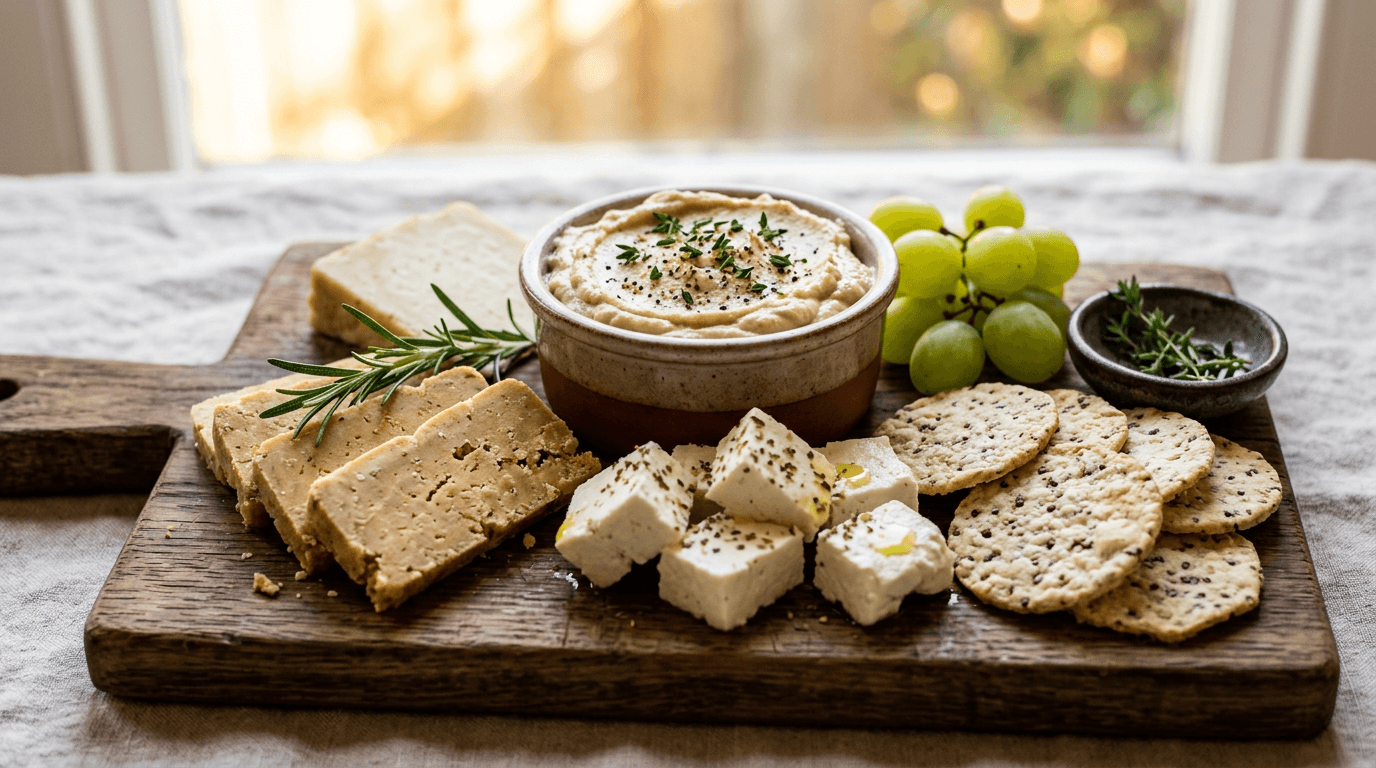
Cheese Please! Low Histamine Alternatives for Your Favorite Dairy Products
Oh, the joy of a creamy latte, a cheesy pizza, or a dollop of sour cream on your tacos! For many of us living with histamine sensitivities, saying goodbye to our beloved dairy products can feel like a genuine loss. It's truly heartbreaking when foods you once enjoyed suddenly become a source of discomfort, leaving you wondering if you'll ever savor those rich, comforting flavors again. But I've got some wonderfully hopeful news for you!
You absolutely can enjoy creamy textures and delicious, savory tastes without triggering your histamine response. I've been looking into this, and I'm so excited to show you how to navigate the world of low histamine dairy alternatives. Let's dive in and rediscover the joy of food, together!
Understanding Histamine and Dairy: A Tricky Combination
First, let's chat a little about why dairy can sometimes be a problem. Histamine is a natural compound in our bodies, and it's also found in many foods. For some, when histamine builds up too much or our bodies can't break it down efficiently, it can lead to a whole host of uncomfortable symptoms, from headaches and skin issues to digestive upset.
Dairy, especially aged or fermented dairy, can be a sneaky source of histamine. Think about how cheese is made – it's all about fermentation! Bacteria get to work, breaking down lactose and proteins, and in the process, they can produce histamine. The longer a cheese ages, the more histamine it tends to accumulate. It's not about dairy being inherently "bad," but rather about how it's processed and the biological changes that happen during that process.
The Dairy Dilemma: What to Watch Out For
It's not just aged cheese that can be a concern. Many popular dairy items, while delicious, are also on the higher end of the histamine spectrum. Knowing what to approach with caution is the first step in finding your happy food place again. Here are some of the usual suspects:
- Aged Cheeses: This is a big one. Parmesan, cheddar, Gruyère, blue cheese, and even many soft, ripened cheeses like brie and camembert are all made through processes that encourage histamine development.
- Yogurt and Kefir: While incredibly healthy for some, the fermentation process that gives these their probiotic power also makes them higher in histamine.
- Buttermilk and Sour Cream: Again, the cultures used to create their distinctive tangy flavors are often histamine producers.
- Goat and Sheep Milk Products: While often suggested for those with cow's milk sensitivities, if they're aged or fermented (like goat cheese), they can still be high in histamine.
It's a bummer, I know. But the good news is, there are so many wonderful, creamy, and flavorful low histamine dairy alternatives out there just waiting for you to discover!
Embracing Low Histamine Dairy Alternatives: Your New Best Friends
This is where the magic happens! We're going to explore a world of plant-based wonders and some dairy options that are less likely to cause a fuss. The key here is generally looking for items that are *not* fermented, *not* aged, and have minimal ingredients and additives. Let's get creative!
Milks & Creams: Your Everyday Essentials
When it comes to milk, we're looking for simplicity and freshness. Many common plant milks can be great low histamine dairy alternatives, but you'll want to choose carefully.
- Rice Milk: Plain, unsweetened rice milk is often a very safe bet. It's light, has a neutral flavor, and works well in cereals, smoothies, and many recipes.
- Coconut Milk (Canned & Carton): This is a fantastic option! Full-fat canned coconut milk is your go-to for rich, creamy sauces, curries, and desserts. The carton variety is lighter and perfect for drinking or coffee. Just make sure it's plain and unsweetened, without lots of added gums or thickeners if you're very sensitive.
- Hemp Milk: Another good choice, hemp milk has a slightly nutty flavor and a nice creamy texture. It's often well-tolerated and a great source of healthy fats.
- Oat Milk: This one can be a bit more individual. While generally considered lower histamine, some highly sensitive people find oats can be an issue. If you tolerate oats well, plain, unsweetened oat milk can be a lovely, creamy addition to your routine. Always choose brands with the fewest ingredients.
When selecting any plant milk, always check the ingredients list. Avoid anything with added flavors, carrageenan, or excessive gums if you're super sensitive, as these can sometimes be hidden triggers.
Cheese Swaps: Savoring That Savory Goodness
Ah, cheese. It's often the hardest one to let go of! But you don't have to miss out on that savory, umami flavor. There are wonderful low histamine dairy alternatives for cheese that can really hit the spot.
- Nutritional Yeast: This is your secret weapon for cheesy flavor! It's flakes of deactivated yeast that have a distinctly savory, nutty, and cheesy taste. Sprinkle it on popcorn, roasted veggies, pasta, or use it to make a "cheese" sauce. It's generally very well tolerated on a low histamine diet.
- Homemade Cashew Cream Cheese/Sauce: Soaked cashews blended with water, a pinch of salt, and perhaps some garlic powder can create a wonderfully creamy, mild "cream cheese" or a rich sauce for pasta. The key is to make it fresh and consume it quickly, avoiding any fermentation.
- Coconut Oil-Based "Cheese" Alternatives: Some brands are creating cheese-like products using coconut oil as a base. You'll need to be a super sleuth with the ingredient list here, looking for minimal additives and avoiding things like citric acid or yeast extracts if you're sensitive. These can be great for melting!
- Fresh Ricotta (with caution): While still dairy, *very* fresh ricotta, made without extensive aging or fermentation, is sometimes tolerated by those with milder sensitivities. It's a riskier option, but if you're experimenting, look for the freshest artisanal kind and test a tiny amount. For strict low histamine, it's usually best to avoid.
The beauty of making your own cashew or coconut-based cheeses is that you have complete control over the ingredients, ensuring they're as fresh and histamine-friendly as possible.
Yogurt & Sour Cream: Tangy Treats
For those tangy, creamy dollops, you've got excellent choices that serve as fantastic low histamine dairy alternatives.
- Homemade Coconut Yogurt: This is my absolute favorite! You can make your own "yogurt" by blending full-fat canned coconut milk with a little bit of a safe probiotic capsule (one that's known to be histamine-friendly, like certain Bifidobacterium strains, or simply omit the probiotics for a plain coconut cream). It's incredibly creamy and you control all the ingredients.
- Coconut Cream: Straight from the can, the thick cream at the top of full-fat coconut milk is a perfect stand-in for sour cream. Chill the can, scoop off the thick cream, and whip it if you like. It's rich, smooth, and delicious on tacos, baked potatoes, or in desserts.
- Cashew Cream: Similar to the cashew cheese, a blend of soaked cashews and water can create a lovely, thick cream that works beautifully as a sour cream or a base for creamy dips and dressings. Add a touch of apple cider vinegar (if tolerated) for a hint of tang.
These options allow you to enjoy that satisfying tang and creaminess without worrying about the histamine load of traditional fermented dairy.
Navigating Store-Bought Low Histamine Dairy Alternatives
While making things from scratch gives you ultimate control, sometimes you just need a quick grab-and-go option. When you're at the store, becoming an ingredient detective is your superpower. Here's what to keep in mind:
- Read Labels Meticulously: This can't be stressed enough! Even products that seem innocent can hide histamine-triggering additives.
- Watch for Hidden Histamine Triggers: Look out for things like citric acid (often derived from fermented sources), natural flavors (which can be anything!), yeast extract, soy (often problematic for histamine), and certain gums or carrageenan.
- "Plain" and "Unsweetened" are Your Friends: Flavored versions often contain more additives and sometimes even fermented ingredients or high-histamine fruits.
- Minimal Ingredients: The shorter the ingredient list, the better. This usually means fewer hidden surprises.
It can feel a bit like a treasure hunt, but once you find a few trusted brands that work for you, it gets so much easier. Don't be afraid to try different options; what works for one person might not work for another, and that's totally okay.
GentleFeast's Practical Steps to Dairy-Free Delight
Ready to bring some creamy goodness back into your life? Here are some simple, actionable steps to get you started on your journey with low histamine dairy alternatives:
- Start Simple: Don't try to overhaul everything at once. Pick one dairy item you miss the most – maybe milk for your coffee or cheese for your pasta – and find one alternative to try this week.
- Embrace DIY Power: Making your own cashew or coconut creams gives you so much control. It's often simpler than it sounds, and there are tons of easy recipes online.
- Listen to Your Body: This is *always* your best guide. Keep a simple food journal for a few days when you introduce a new alternative. Note how you feel. Your body will tell you what it loves!
- Be Patient and Kind to Yourself: Finding your perfect low histamine dairy alternatives is a journey. There might be a few misses along the way, and that's perfectly normal. Celebrate the wins, learn from the challenges, and remember you're doing great.
- Experiment with Flavors: Don't just swap one for one. Think about how you can enhance the flavors of your new alternatives. Nutritional yeast for cheesiness, fresh herbs for brightness, or a hint of safe spices can elevate your dishes beautifully.
It truly is possible to enjoy a rich, flavorful, and creamy diet even with histamine sensitivities. I hope this guide helps you feel empowered and excited about the delicious possibilities ahead. You don't have to give up on comforting foods; you just get to discover new, wonderful ways to enjoy them!
This week, why not try swapping your regular milk for an unsweetened rice or coconut milk in your morning routine? It's a small step that can make a big difference, and I know you'll find something you love.