Dining Out with Confidence: Your Guide to a Low FODMAP Restaurant Experience
Feeling overwhelmed by low FODMAP dining out? I've got you! Discover how to confidently navigate restaurant menus, make smart choices, and enjoy meals without worry.
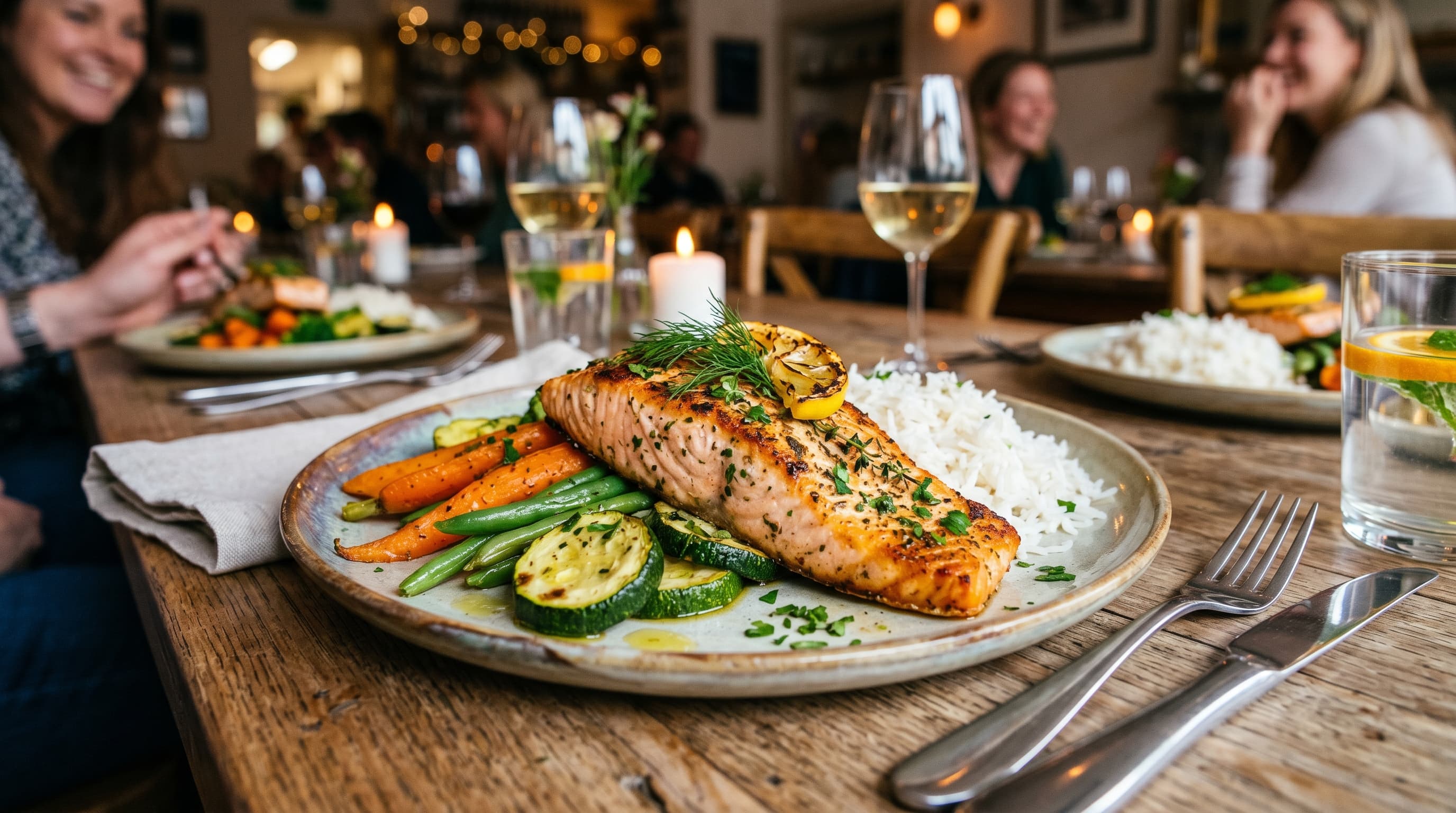
Low FODMAP Dining Out: Your Guide to Confident Restaurant Choices
Oh, the joy of eating out! It's one of life's simple pleasures, isn't it? But if you're navigating a low FODMAP diet, that joy can sometimes feel like it's been replaced with a hefty dose of anxiety. I hear you; I really do. The thought of hidden ingredients, awkward conversations, or worse, a meal that leaves you feeling less than great, can make staying home seem like the only safe option.
But here's the good news: it doesn't have to be that way! I've been looking into this, and I'm convinced that with a little preparation and the right approach, you can absolutely enjoy dining out again with confidence. Let's make those restaurant visits a celebration, not a challenge.
Understanding What FODMAPs Are (and Aren't) When Dining Out
It’s easy to feel like you need a science degree just to understand your plate sometimes, especially when you're focusing on FODMAPs. FODMAPs are specific types of carbohydrates that can be tricky for some people's digestive systems. They're found in a huge variety of everyday foods, and the key thing to remember is that it’s all about the type and amount of these carbs.
You're not avoiding all carbs or all foods, just certain kinds in certain quantities. The amazing folks at Monash University, who developed the low FODMAP diet, have done incredible work testing foods to give us clear guidelines. Their research, based on rigorous lab analysis, helps us understand exactly what's in our food.
This is super helpful when you're trying to figure out what's safe on a menu. Knowing this makes a big difference. It means you don't have to guess; you can actually make informed choices. The goal here isn't to be perfect, it's to be prepared and empowered when you're eating out on a low FODMAP diet.
Your Pre-Dining Out Game Plan: Setting Yourself Up for Success
Before you even walk out the door, you can set yourself up for a much smoother dining experience. Think of it as your secret weapon! I always suggest starting with a little research.
- Scout the Menu Online: Most restaurants have their menus available on their websites. Take a peek to see if there are any obvious low FODMAP options or dishes that look like they could be easily modified. Are there simple grilled proteins, rice dishes, or salads that could work?
- Make a Call Ahead: Don't be shy! A quick phone call during off-peak hours can save you a lot of stress. Ask if the kitchen can accommodate dietary needs, specifically mentioning "no onion, no garlic" or "gluten-free options." You'll often find chefs are happy to help, especially if they know in advance.
- Lean on the Monash App: This app is truly your best friend for a low FODMAP diet. It uses a super handy "traffic light" system – green for go, amber for proceed with caution in smaller servings, and red for stop. You can quickly check common ingredients you might encounter at a restaurant, like different types of cheese or vegetables. It even includes serving sizes, which is so important because sometimes a food is fine in a small amount but not a large one.
A little planning goes a long way. It helps you feel more in control and less anxious when you're actually sitting down to order, making your low FODMAP restaurant experience much more enjoyable.
Navigating the Menu Like a Pro: What to Look For (and What to Avoid)
Now, let's get to the fun part: decoding the menu! This is where you become a real detective, but a friendly one, of course.
- Watch Out for Hidden Culprits: Onion and garlic are probably the biggest offenders, popping up in almost everything from sauces to marinades, soups, and even "plain" roasted vegetables. Wheat and dairy are also common, so keep an eye out for breads, pastas, creamy sauces, and cheese.
- Embrace Simple, Whole Foods: Your safest bets are usually dishes centered around plain, unprocessed ingredients. Think grilled chicken, fish, or firm tofu. Pair these with simple sides like plain rice, baked potatoes, or steamed low FODMAP vegetables. Our GentleFeast Low FODMAP Grilled Chicken & Mushroom Skewers with Cucumber Rice recipe is a perfect example of how delicious and satisfying simple, whole ingredients can be, proving that Japanese-inspired meals can be easily adapted.
- The Sauce Situation: This is often where FODMAPs hide. Ask for sauces and dressings on the side, or better yet, request a simple drizzle of olive oil, lemon juice, salt, and pepper. Many restaurants can do a basic vinaigrette with just oil and vinegar.
- Understand Garlic-Infused Oil: This is a game-changer! Research out of Monash University confirms that fructans (the FODMAP in garlic) are water-soluble, not fat-soluble. This means if garlic cloves are heated in oil and then removed, the flavor stays, but the FODMAPs don't! So, if you see "garlic-infused oil" on a menu or can request it, that's usually a green light for delicious garlic flavor without the digestive distress. Our Japanese Chicken & Egg Rice Bowl and Creamy Fontina Scrambled Eggs with Fresh Herbs both use this trick to bring big flavor safely.
Let's break down some common categories:
Vegetables
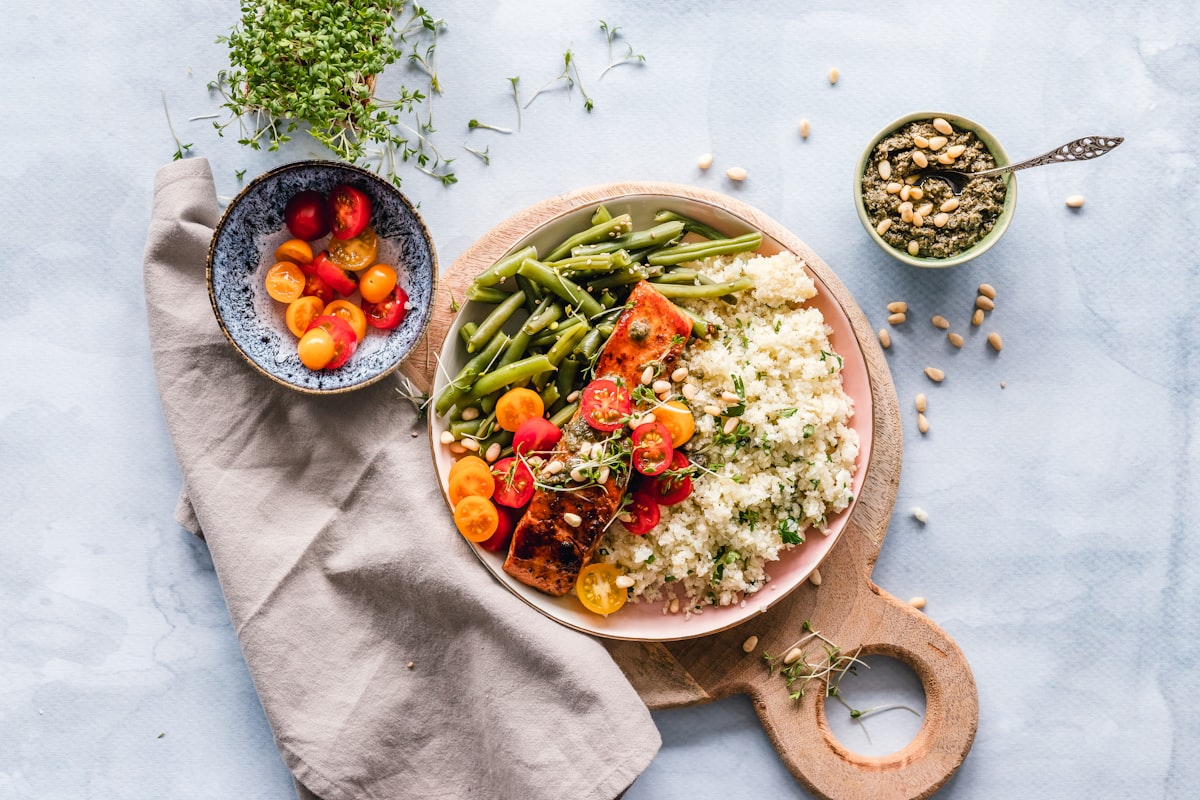
- Low FODMAP Heroes: Eggplant, potatoes, tomatoes, cucumbers, zucchini, carrots, chives, bell peppers (red, yellow, orange), green beans, spinach, kale. These are your friends!
- High FODMAP Watch-Outs: Onion, garlic, artichoke, asparagus, cauliflower, mushrooms (except oyster mushrooms in certain amounts, check Monash App).
Fruits
- Low FODMAP Delights: Grapes, oranges, strawberries, blueberries, pineapple, firm bananas (not overripe), raspberries, kiwi.
- High FODMAP Caution: Apple, pear, mango, watermelon, cherries, peaches, avocado (in larger servings).
Grains
- Low FODMAP Staples: Rice (white, brown, jasmine), quinoa, oats (gluten-free certified and in measured amounts), gluten-free breads and pastas.
- High FODMAP Red Lights: Wheat, rye, barley in breads, pasta, and many cereals.
Dairy
- Low FODMAP Options: Lactose-free milk, almond milk, hard cheeses like cheddar, Parmesan, and feta. A quick note: hard cheeses are naturally low in lactose because it's removed during the cheesemaking process.
- High FODMAP Concerns: Cow's milk, regular yogurt, ice cream, soft cheeses like ricotta or cottage cheese.
Proteins
- Low FODMAP Powerhouses: Eggs (like in our Creamy Fontina Scrambled Eggs), plain meats (chicken, beef, pork), seafood, firm tofu.
- High FODMAP Traps: Legumes (beans, lentils – often in large amounts), processed meats (can contain fillers or high FODMAP ingredients).
Sweeteners
- Low FODMAP Choices: Table sugar (sucrose), maple syrup, dark chocolate, stevia, sucralose.
- High FODMAP Avoid: Honey, high-fructose corn syrup (HFCS), agave nectar, sugar alcohols like sorbitol, mannitol, xylitol, maltitol (often in "sugar-free" items).
It might seem like a lot to remember at first, but with practice, you'll start to recognize patterns and make choices almost instinctively.
Communicating Confidently: Making Your Needs Known
This is often the part that makes people the most nervous, but it doesn't have to be! Remember, you have every right to eat safely and enjoy your meal.
- Be Clear and Concise: You don't need to give a full medical history. Simple, direct requests work best. Instead of saying "I'm on a low FODMAP diet," which many servers might not understand, try focusing on specific ingredients.
- Focus on What to AVOID: "I have some dietary restrictions, so I need to avoid onion and garlic. Could you please check if this dish can be made without them?" or "Is it possible to have the chicken grilled simply with just olive oil, salt, and pepper, and no marinade?"
- Ask for Substitutions: "Could I have plain rice instead of the roasted potatoes?" or "Would it be possible to get a side of steamed carrots or zucchini instead of the asparagus?"
- Don't Apologize: You're not being difficult; you're taking care of your health. A polite, confident tone is much more effective than an apologetic one.
- Be Patient and Kind: Restaurant staff are often busy, and they're doing their best. A little patience and a friendly smile can go a long way in getting your needs met.
The more you practice, the easier this becomes. You'll find that most places are happy to help you have a great experience when you're eating out on a low FODMAP diet.
Practical Takeaway: GentleFeast-Inspired Restaurant Choices
So, what does all this mean when you're looking at a restaurant menu? Let's translate this knowledge into real-world choices, much like how we craft our GentleFeast recipes to be both delicious and low FODMAP.
When you're out, think about cuisines that naturally lean towards simpler preparations or can be easily adapted. Mediterranean cuisine, for instance, often features grilled meats, fresh vegetables, rice, and olive oil – all great starting points. You'll find many options that fit a low FODMAP approach.
Consider these types of dishes, inspired by GentleFeast's philosophy:
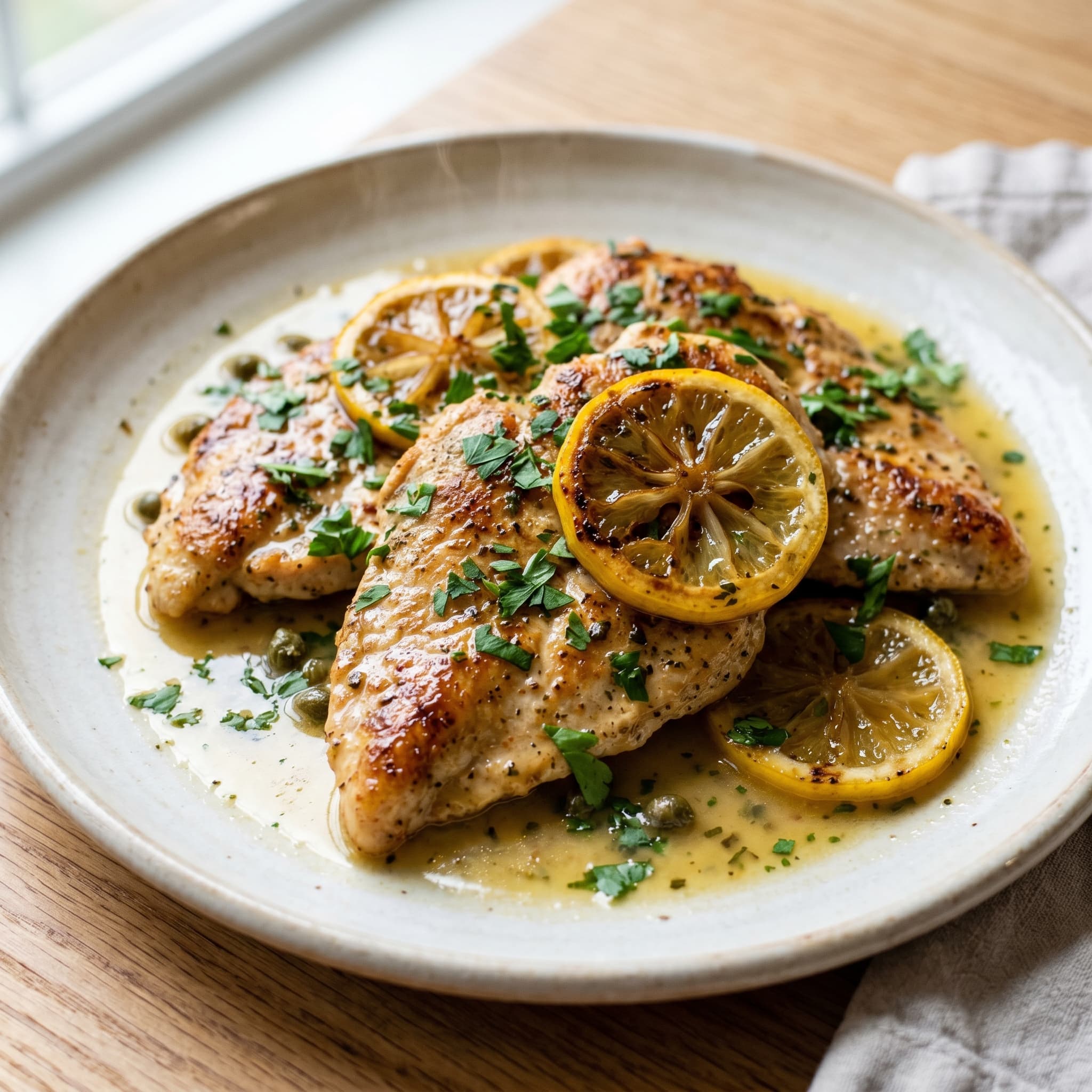
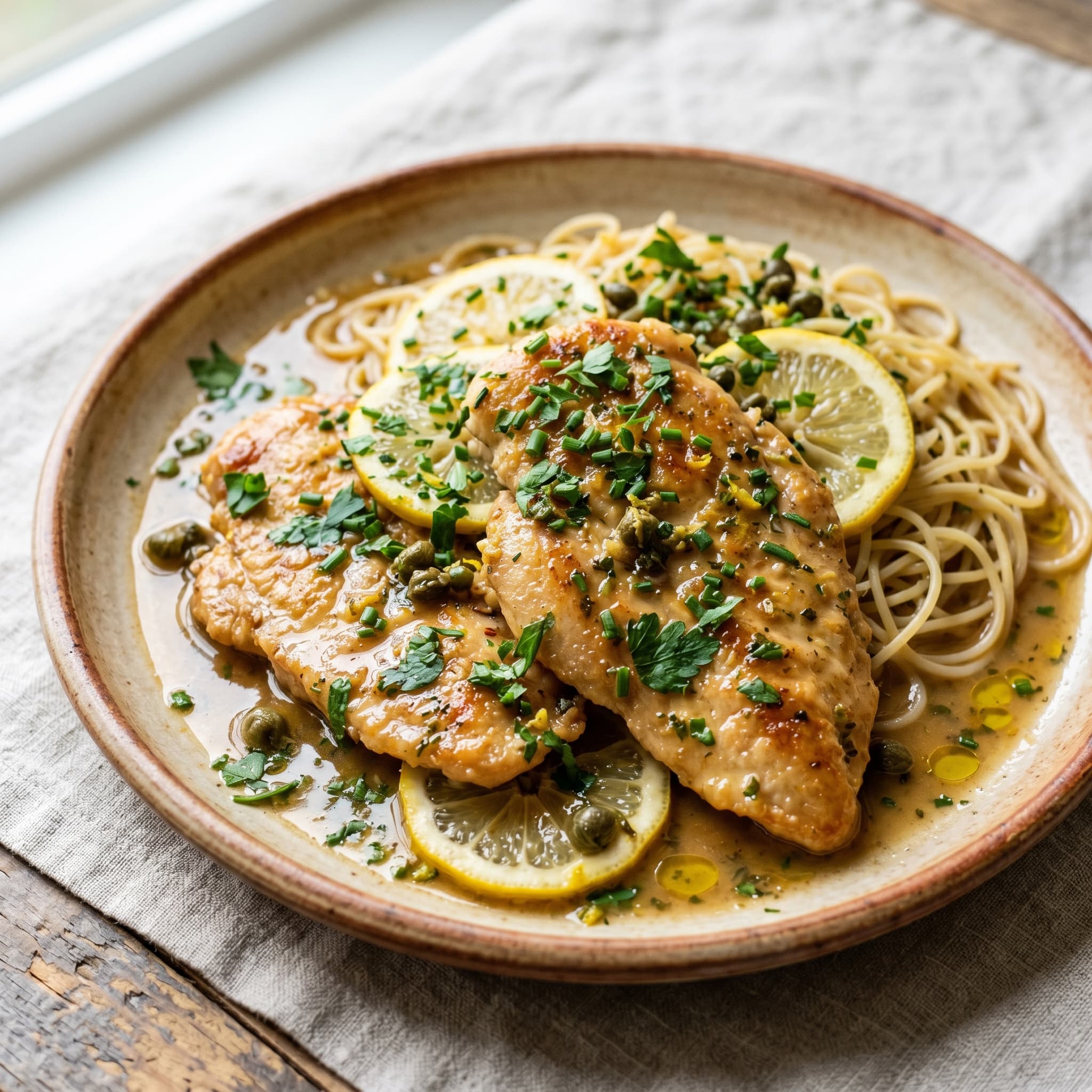
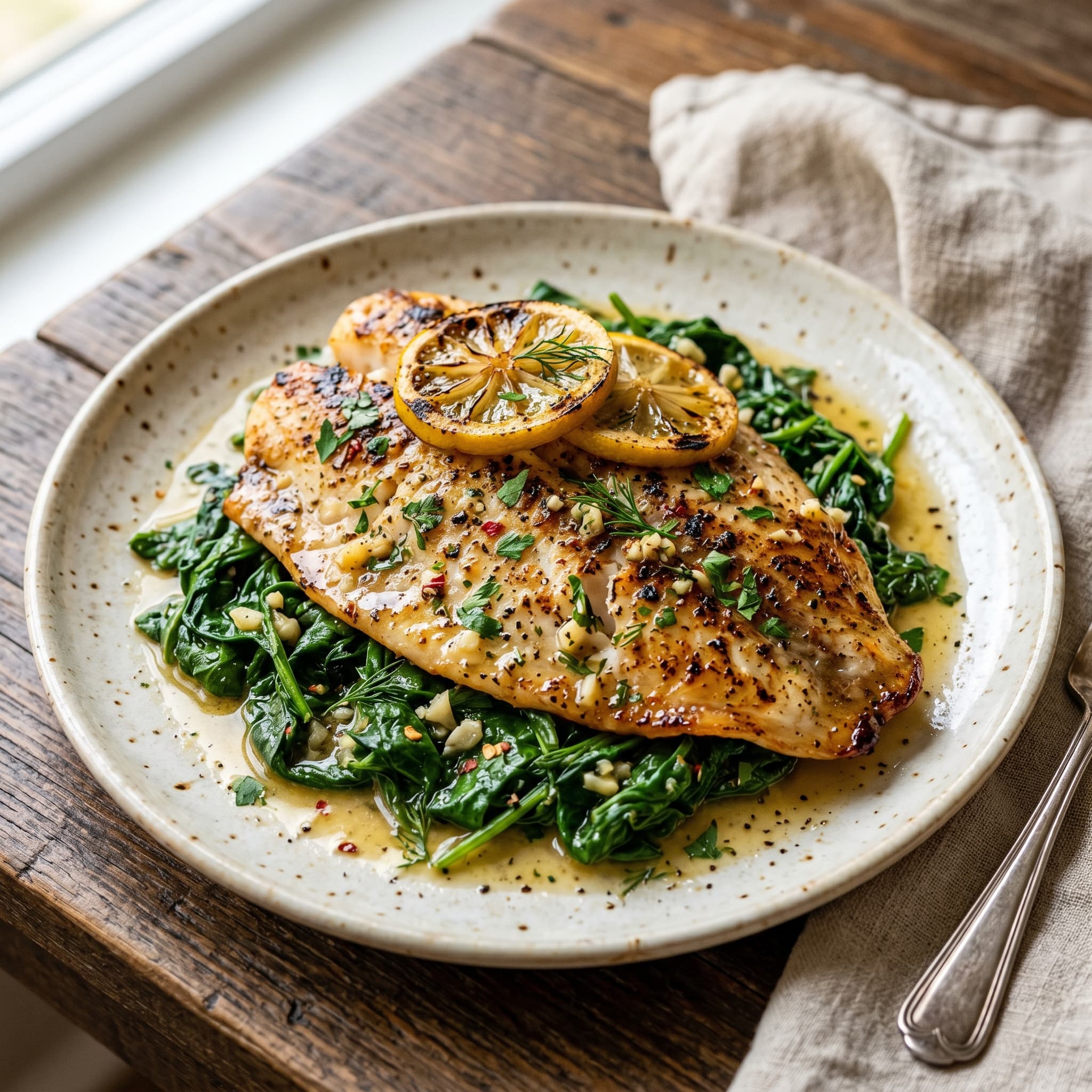
- Grilled Proteins with Simple Sides: Look for grilled chicken, fish, or steak. Ask for it plain, seasoned only with salt, pepper, and olive oil. Pair it with a baked potato (no butter or sour cream, unless it's lactose-free!), plain white rice, or a side of steamed low FODMAP vegetables like carrots, spinach, or zucchini. This is exactly the thinking behind our Low FODMAP Grilled Chicken & Mushroom Skewers with Cucumber Rice.
- Japanese-Inspired Dishes: Many Japanese dishes can be adapted. Think about rice bowls with plain chicken or fish. Ask for tamari (gluten-free soy sauce) instead of regular soy sauce, and ensure no garlic or onion is used in marinades or sauces. Our Japanese Chicken & Egg Rice Bowl shows how delicious and simple these can be, using garlic-infused oil for flavor.
- Breakfast/Brunch Options: Eggs are a fantastic low FODMAP protein! Scrambled eggs, omelets, or fried eggs are usually safe, especially if you ask for them cooked with butter or garlic-infused oil, and without onion or milk. Pair with plain gluten-free toast or a side of low FODMAP fruit. Our Creamy Fontina Scrambled Eggs with Fresh Herbs highlights how satisfying a low FODMAP breakfast can be.
- Salads (with caution): A salad can be great, but be mindful of dressings, croutons (often wheat-based), and high FODMAP vegetables like onion, beetroot, or certain mushrooms. Ask for a simple salad with greens, cucumber, tomato, and bell peppers, with oil and vinegar on the side.
The key is to look for dishes that are fundamentally simple and then ask for specific modifications. You're not trying to reinvent the wheel, just gently steering it in a FODMAP-friendly direction.
Bringing It All Together: Your Confident Low FODMAP Dining Experience
Remember, dining out is meant to be an enjoyable experience, a chance to connect and savor good food. It might take a little extra effort upfront, but feeling good after a meal is absolutely worth it. You're becoming an expert in your own body and what it needs, and that's something to celebrate!
So, next time you're planning a meal out, take one small step: pick a restaurant, look at their menu online, and identify one dish you think you could easily modify. You've got this, and delicious, worry-free meals are definitely within your reach!