Efficient & Flavorful: Your Guide to Low Oxalate Meal Prep and Batch Cooking
I'll show you how low oxalate meal prep can transform your kitchen, saving you time and stress while keeping your meals delicious and safe.
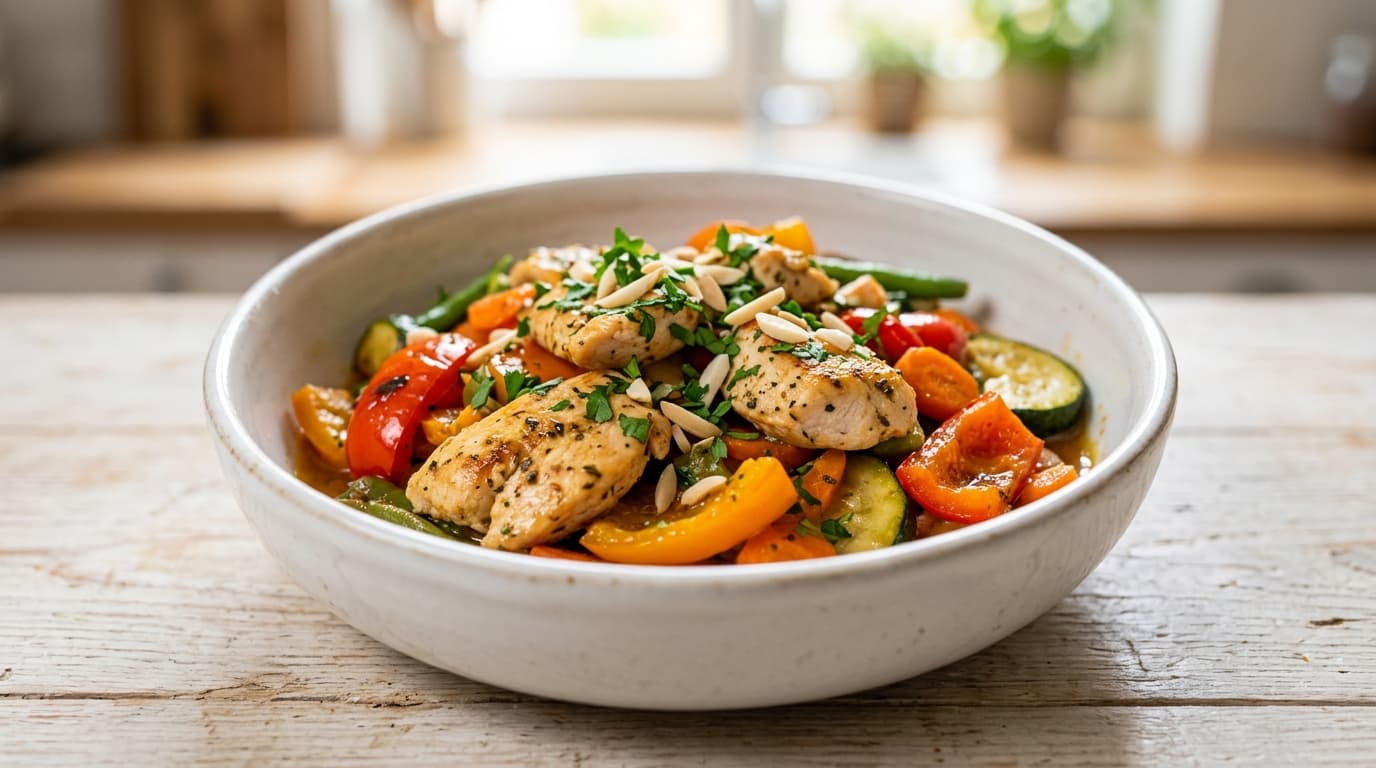
Taking the Stress Out of Low Oxalate Eating: Your Guide to Confident Meal Prep
Navigating a low oxalate diet can feel like a constant puzzle, can't it? You're trying to figure out what's safe, what's not, and how to make meals that actually taste good without spending all day in the kitchen. I hear you, and I know it's a lot to juggle. But what if I told you there's a way to make your low oxalate journey *so much* easier and even more enjoyable? Let's dive into the wonderful world of low oxalate meal prep!
The good news is, with a little planning and some smart strategies, you can transform your kitchen into a haven of delicious, low oxalate meals that are ready when you are. You'll save time, reduce stress, and feel confident in every bite. It's all about setting yourself up for success!
Understanding Low Oxalate Eating: A Quick Refresher
First off, let's gently remind ourselves why we're doing this. Oxalates are natural compounds found in many plants, and for some of us, managing our intake is really important for our health. It's not about eliminating them entirely – that's often impossible and unnecessary – but rather about keeping our oxalate levels in a comfortable range.
This journey can feel overwhelming because so many common healthy foods are higher in oxalates. You might feel like you're constantly checking lists and second-guessing your food choices. But trust me, once you get the hang of it, it becomes second nature, and meal prep is your secret weapon for making that happen.
Why Low Oxalate Meal Prep is Your Superpower
Think about it: when you're busy, tired, or just plain hungry, it's easy to grab whatever's convenient, even if it might not align with your low oxalate goals. That's where meal prep steps in! It's not just about saving time; it's about gaining control, peace of mind, and consistency.
With a little bit of planning and batch cooking, you'll have delicious, safe options ready to go throughout the week. This significantly reduces the chances of making spontaneous choices you might regret later. It’s like having a helpful friend in your fridge, always ready to nourish you with exactly what you need.
Building Your Low Oxalate Meal Prep Toolkit
Let's get organized! Setting up your kitchen with the right staples and tools makes low oxalate meal prep a breeze. You'll be surprised how quickly you can whip up meals when you've got everything at your fingertips.
Stocking Your Low Oxalate Pantry and Fridge
Having a well-stocked kitchen is the foundation of successful low oxalate meal prep. I've broken down some essentials that are generally low in oxalates and super versatile:
Refrigerator Essentials:
- Proteins: Chicken breast and thighs, ground beef, pork tenderloin, fresh fish (like cod, salmon, tilapia), eggs, cheese (cheddar, mozzarella, parmesan, feta), plain yogurt and milk. These are all naturally oxalate-free or very low.
- Vegetables: Cauliflower, cabbage (green, red, napa), bok choy, kale, romaine and iceberg lettuce, cucumbers, zucchini, bell peppers (all colors), mushrooms, onions. These are generally under 5 mg per serving.
- Fruits: Apples, bananas, grapes, melons (cantaloupe, honeydew, watermelon), strawberries, peaches, nectarines, cherries, pears. Most of these are under 6 mg per serving.
Pantry Staples:
- Grains: White rice, white pasta, plain oatmeal, cornmeal, corn tortillas, white bread and flour, barley. These are typically under 7 mg per serving.
- Nuts & Seeds: Macadamia nuts, walnuts, pecans, pumpkin seeds, sunflower seeds, flaxseeds, shredded coconut. These are safe options in moderation.
- Legumes: Lentils, canned chickpeas, split peas, black-eyed peas. These are lower oxalate choices. Remember to soak and rinse!
- Cooking Fats: Olive oil, butter, coconut oil.
Essential Kitchen Gear for Efficient Prep
You don't need a gourmet kitchen, but a few key items can really speed up your low oxalate meal prep:
- Airtight Containers: Glass or BPA-free plastic containers are a must for storing prepped ingredients and cooked meals.
- Sheet Pans: Great for roasting vegetables or proteins in batches (just remember, roasting doesn't reduce oxalates, but it's a great cooking method for low oxalate foods!).
- Good Knives and Cutting Boards: Makes chopping those low oxalate veggies so much faster and safer.
- Food Processor: Can be a huge time-saver for ricing cauliflower or shredding cabbage.
Smart Strategies for Reducing Oxalate in Your Cooking
This is where the magic happens! Knowing *how* to prepare certain foods can make a big difference in their oxalate content. We're not just choosing low oxalate foods; we're also preparing them in ways that help us manage oxalate levels even further.
Boiling and Blanching: Your Best Friends
When it comes to reducing oxalates in some vegetables, water is your ally! Boiling and blanching are fantastic methods because they allow oxalates to leach out into the cooking water, which you then discard.
- Boiling: This is especially effective for vegetables like spinach (though spinach is often avoided on a low oxalate diet due to its high oxalate content, this method *would* reduce it if you chose to include it in very small amounts). Cook your veggies in plenty of water, then drain and discard the water.
- Blanching: A quick dip in boiling water followed by an ice bath. This is great for leafy greens, green beans, and broccoli florets. It helps preserve their color and texture while reducing oxalate. Remember to discard that blanching water!
Soaking Grains and Legumes
For grains like rice and legumes such as beans and lentils, soaking before cooking can significantly reduce their oxalate content. It's a simple step that makes a big impact.
- Beans/Legumes: Soak for 8-12 hours, then discard the soaking water and rinse thoroughly before cooking. This can reduce oxalates by 17-51%.
- Rice: Soak for 4-12 hours, then discard the water and rinse. This can reduce oxalates by 15-30%.
Always make sure to discard the soaking water and rinse thoroughly before you cook!
Cooking Methods to Skip (for Oxalate Reduction)
While delicious, some cooking methods just aren't effective for reducing oxalates because they don't involve water to carry them away. It's good to be aware of these so you can plan accordingly:
- Steaming: Doesn't allow oxalates to leach out.
- Roasting/Baking: Oxalates remain concentrated in the food.
- Microwaving: No leaching mechanism.
- Making Soup: If you're using higher oxalate ingredients, you'll be consuming the oxalate-rich broth.
Your Step-by-Step Low Oxalate Meal Prep Plan
Ready to put it all into action? Here’s a simple framework for your weekly low oxalate meal prep session. You don't have to do it all at once; even a little prep goes a long way!
The Weekly Prep Session: An Hour or Two of Power
Dedicate an hour or two on a weekend or a free evening to get ahead. You'll thank yourself all week!
- Cook Your Proteins in Bulk:
- Grill or bake a big batch of chicken breasts or thighs. You can use them for salads, wraps, or main dishes.
- Cook a pound or two of ground beef or turkey. This is great for quick skillet meals or adding to soups.
- Hard boil a dozen eggs. They're perfect for quick breakfasts, snacks, or adding to salads.
- Wash, Chop, and Store Your Veggies:
- Wash and chop romaine lettuce for salads.
- Dice bell peppers and onions for stir-fries, omelets, or adding to ground meat.
- Slice cucumbers and zucchini for snacks or side dishes.
- Cut cauliflower into florets for roasting, mashing, or ricing.
- Shred cabbage for slaws or adding to soups.
- Batch Cook Grains:
- Cook a large batch of white rice. It's a versatile low oxalate base for many meals.
- Prepare oatmeal portions for easy breakfasts.
Freezer-Friendly Favorites for Low Oxalate Living
The freezer is your friend for extending the life of your prepped meals and ensuring you always have a low oxalate option. Think about meals that freeze well and can be easily reheated.
- Cauliflower Mash: A fantastic low oxalate alternative to mashed potatoes. You can make a big batch and freeze it in individual portions. Just thaw and reheat!
- Cooked Proteins: Grilled chicken or cooked ground meat freezes beautifully. Portion them out into freezer-safe bags or containers.
- Soups: Our Low Oxalate Chicken Wedding Soup, for example, is perfect for batch cooking and freezing. It’s hearty, comforting, and freezes wonderfully for those busy weeknights.
Storage Savvy: Keeping Your Prepped Food Fresh
Proper storage is key to making your low oxalate meal prep last. Here are some quick tips:
- Cooked Chicken/Meat: Store in airtight containers in the fridge for 4-5 days.
- Cooked Rice: Airtight container, 5-6 days in the fridge.
- Chopped Vegetables: Sealed bags or containers, sometimes with a paper towel to absorb moisture, for 4-5 days.
- Hard Boiled Eggs: Keep them in their shells in a container for up to 7 days.
- Prepared Salad Greens: In a sealed container with a paper towel, they can last 5-7 days.
Low Oxalate Meal Prep in Action: GentleFeast Recipe Inspiration
Let's look at how some of our GentleFeast recipes fit perfectly into your low oxalate meal prep routine. These aren't just delicious; they're designed with your needs in mind!
Low Oxalate Cauliflower Tabbouleh Bowls
This vibrant, Middle Eastern-inspired dish is a fantastic example of a low oxalate meal prep champion. Our Low Oxalate Cauliflower Tabbouleh Bowls use riced cauliflower as a base, which you can easily prep ahead. You can chop your parsley, mint, cucumber, and onion, and even rice your cauliflower, storing them separately in airtight containers.
When it's time to eat, simply combine your prepped ingredients with a fresh lemon-olive oil dressing. It's a refreshing, fiber-rich meal that comes together in minutes once you've done the initial prep. Perfect for lunches or a light dinner!
Low Oxalate Chicken Wedding Soup
Who doesn't love a comforting bowl of soup? Our Low Oxalate Chicken Wedding Soup is incredibly nourishing and ideal for batch cooking. You can make a big pot of this Italian-inspired soup featuring tender chicken meatballs and a medley of low oxalate vegetables like cabbage, bok choy, and bell peppers.
Once cooled, portion it into individual containers and refrigerate for up to 3-4 days, or freeze for longer storage. It's a wonderful, ready-to-heat meal for those chilly evenings or when you need something quick and easy. The flavors only get better the next day!
Practical Takeaways for Your Low Oxalate Kitchen
You've got this! Embracing low oxalate meal prep truly is a game-changer. It helps you stay on track, enjoy delicious food, and feel less stressed about your dietary needs. Here are your key takeaways:
- Start Small: Don't try to prep every single meal for the entire week right away. Pick one or two meals you want to prep, like your lunches or a few dinners.
- Focus on Staples: Prioritize batch cooking versatile proteins and chopping basic low oxalate vegetables that can be mixed and matched.
- Master Oxalate Reduction Techniques: Remember that boiling, blanching, and soaking are your friends for certain foods.
- Invest in Good Storage: Airtight containers are essential for keeping your prepped food fresh and safe.
- Embrace Your Freezer: It's a fantastic tool for extending the life of your cooked meals and ensuring you always have healthy options.
You're building kitchen confidence, one delicious, low oxalate meal at a time. It's not about perfection; it's about progress and finding what works best for *you* and your unique journey. Every little bit of prep you do is a win, and it's bringing you closer to feeling more in control and joyful about your food.
So, why not pick just one low oxalate recipe this week and try prepping a component or two? You'll be amazed at the difference it makes!