Gentle Cooking: Techniques To Minimize Histamine In Your Meals
Feeling confused about low-histamine cooking? I've got you covered with gentle, practical techniques that can make a real difference for your well-being. Let's explore how to prepare delicious, symptom-free meals.
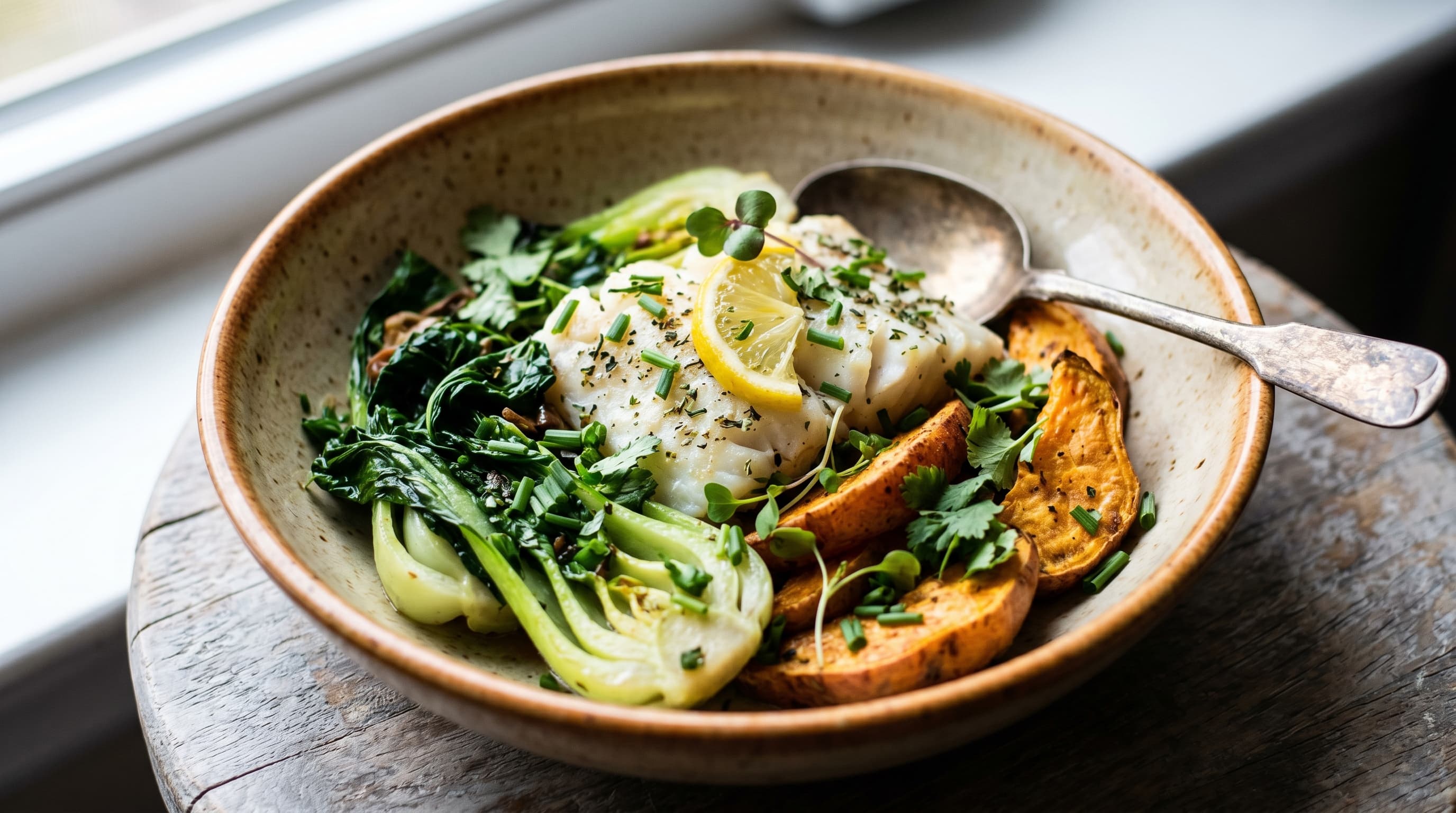
Cooking Smart: Gentle Techniques for Happier Low-Histamine Meals
Navigating a low-histamine lifestyle can feel like a maze, especially when it comes to cooking. You're probably tired of feeling confused about which methods are safe, or worse, making a meal you thought was fine only to experience uncomfortable symptoms later. It's truly frustrating when you're trying your best to feel good, and the kitchen feels like another hurdle.
But here's the good news: it doesn't have to be so complicated! I've been looking into the science behind histamine buildup in food, and I'm excited to share some gentle, practical cooking methods that can make a real difference for your well-being. Let's make your kitchen a place of comfort and delicious, symptom-free meals!
Understanding Histamine and Why Cooking Methods Matter
Before we dive into the 'how,' let's quickly touch on the 'why.' Histamine is a natural compound, and while it's essential for our bodies, some of us have trouble breaking it down efficiently. When we eat foods high in histamine, or foods that trigger its release, we can experience a range of uncomfortable symptoms, from headaches and digestive issues to skin rashes and anxiety.
Here's the key: histamine levels in food aren't static. They can actually increase after foods are harvested, caught, or prepared, mainly due to bacterial activity. This is why things like aged cheeses or fermented foods are often high in histamine. What's *really* interesting is that the way we cook and store our food plays a huge role in how much histamine ends up on our plate. So, understanding low histamine cooking methods is a powerful tool in your toolkit.
The Golden Rules of Low-Histamine Cooking
When you're aiming for lower histamine meals, there are a few foundational principles that guide everything. Think of these as your North Star in the kitchen.
Freshness is Your Best Friend
This is probably the most important rule of all. Histamine starts building up the moment food is no longer fresh, especially in proteins. That's why:
- Always choose the freshest ingredients possible.
- Opt for flash-frozen meats and fish, as they're frozen quickly at their peak freshness, locking in lower histamine levels.
- Cook your ingredients as soon as you get them home. Don't let fresh meat or fish sit in the fridge for days before cooking, as histamine will accumulate.
Speed is Key
The longer food sits at moderate temperatures, the more time histamine-producing bacteria have to multiply. This applies to both pre-cooking storage and the cooking process itself. Quick cooking minimizes this window.
Temperature Matters
While histamine itself isn't destroyed by heat, the *way* heat is applied can concentrate it or, in some cases, help dilute it. Dry, high heat can cause moisture evaporation, which then concentrates histamine. Wet cooking methods, on the other hand, can sometimes help draw it out.
Your Go-To Low-Histamine Cooking Methods
Now, let's get into the nitty-gritty of which low histamine cooking methods are your allies and which ones you might want to reconsider.
Pressure Cooking: The Unsung Hero
If you have an Instant Pot or a traditional pressure cooker, you've got a fantastic tool for low-histamine cooking! Pressure cooking is truly the gold standard for several reasons:
- It's incredibly fast: This drastically cuts down the time bacteria have to produce histamine.
- You can cook from frozen: This is a game-changer! Cooking frozen meat or fish directly in the pressure cooker bypasses the thawing phase, which is a prime opportunity for histamine buildup.
Think stews, soups, and even cooking fresh chicken breasts or fish fillets quickly. It's a fantastic way to prepare proteins and vegetables efficiently.
Boiling and Poaching: Simple & Effective
Good old boiling and poaching are surprisingly helpful for low-histamine eating! Research suggests that boiling either has no impact on histamine levels or can actually decrease them. This is likely because the water helps to dilute the histamine and can even extract it from the food's cellular components.
This makes boiling a great choice for cooking chicken, fresh fish, or even vegetables. Just remember to use fresh ingredients and cook them quickly.
Quick Dry Heat: Stir-Frying & Air Frying
These methods can be useful because they offer fast cooking times. Speed is always a friend when you're managing histamine!
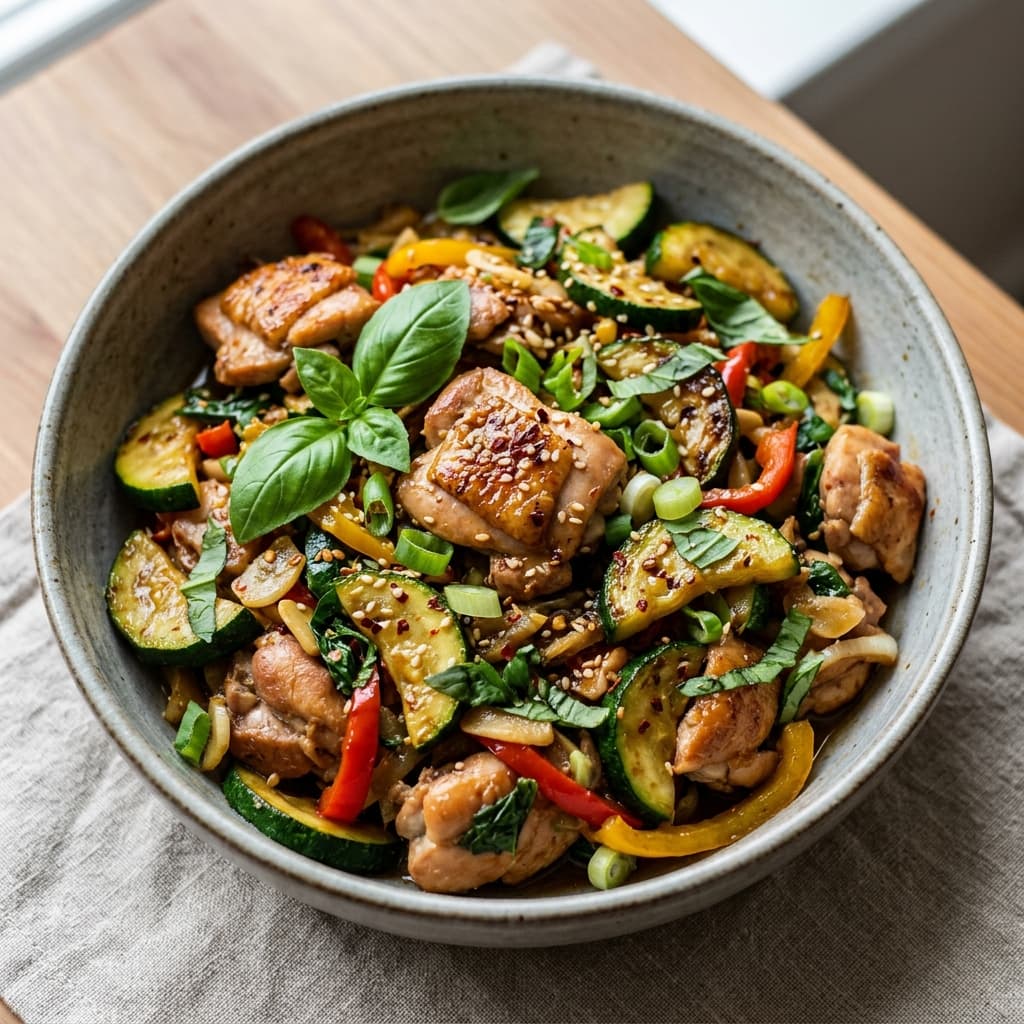
- Stir-frying: This is an excellent method, especially for fresh vegetables and quickly seared proteins like chicken or fresh, flash-frozen fish. The high heat and short cooking time work in your favor. GentleFeast has a delicious Vibrant Low-Histamine Chicken & Bok Choy Stir-Fry and a Vibrant Low-Histamine Vegetable Stir-fry that show just how vibrant and quick these meals can be!
- Air frying: Air frying is quick, which is beneficial. However, it uses dry heat, which can concentrate amines if you're not careful. It's generally a better option than traditional frying or grilling, but keep an eye on moisture levels and cooking duration.
Methods to Approach with Caution (or Avoid!)
Some popular cooking methods can unfortunately lead to higher histamine levels, so it's best to use them sparingly or avoid them if you're very sensitive.
- Frying, Grilling, and Roasting: These high-heat, dry cooking methods lead to a lot of moisture evaporation. When moisture leaves the food, histamine levels become more concentrated. Studies have shown that grilling and frying can significantly increase histamine content in meats and seafood. While our Pan-Seared White Fish with Roasted Sweet Potatoes and Zucchini uses a quick pan-sear for fish, it's important to use the freshest fish possible and cook it quickly, pairing it with roasted vegetables that are less prone to histamine buildup.
- Slow Cooking (Crockpots) and Marinating: This is a big one to be mindful of. The longer food sits or cooks, especially at moderate temperatures, the more time histamine-producing bacteria have to multiply. Slow cooking raises histamine levels exponentially and should generally be avoided for histamine sensitivity. Similarly, marinating for long periods can also contribute to histamine buildup.
Essential Kitchen Habits for Low-Histamine Living
Beyond the actual cooking methods, some everyday kitchen habits can make a huge difference in managing histamine.
The Cook and Freeze Method: Your Meal Prep Gold Standard
This method is truly the best way to handle meal prep when you're histamine-sensitive. It's all about locking in that low-histamine freshness:
- Shop super fresh: Get your ingredients, ideally the same day you plan to cook, or choose flash-frozen options.
- Cook quickly: Use one of your preferred low histamine cooking methods (pressure cooking, boiling, stir-frying).
- Portion immediately: As soon as your food is cooked, divide it into individual servings.
- Flash-freeze quickly: Get those portions into the freezer within 30 minutes of cooking. This stops histamine formation in its tracks.
- Reheat from frozen: When you're ready to eat, reheat your meal directly from frozen in the microwave or oven. Don't thaw it overnight in the fridge, as that's another opportunity for histamine to build up.
Smart Ingredient Choices and Storage
- Condiments and Spices: Stick to fresh herbs like basil, parsley, cilantro, oregano, and thyme, and use extra virgin olive oil or coconut oil. Avoid things like soy sauce, fish sauce, miso, and certain spices like cinnamon, cloves, or curry powder, which can act as histamine liberators.
- Leftovers: If you absolutely must have leftovers, follow the cook-and-freeze method. Otherwise, aim to eat freshly prepared meals.
- Fish: This is a high-risk category. Always buy sashimi-grade or flash-frozen fish. If it smells "fishy," it's a sign of histamine buildup, so it's best to avoid it.
- Aged Foods: Steer clear of aged cheeses, dry-aged beef, and cured meats, as they are intentionally high in histamine.
Let's Get Cooking! GentleFeast Recipe Inspiration
Seeing these principles in action can be really helpful. Here are a few GentleFeast recipes that beautifully incorporate low-histamine cooking methods:
- Pan-Seared White Fish with Roasted Sweet Potatoes and Zucchini: This recipe highlights flash-frozen fish, quick pan-searing for the fish, and roasting for the vegetables. It's all about fresh ingredients and immediate consumption. Plus, it uses lovely fresh herbs like parsley, rosemary, and thyme, which are wonderful for flavor and have anti-inflammatory properties.
- Vibrant Low-Histamine Chicken & Bok Choy Stir-Fry: A perfect example of speedy cooking! This stir-fry uses tender chicken and crisp bok choy, cooked quickly to minimize histamine formation. It's a fantastic way to get a flavorful, low-histamine meal on the table fast.
- Vibrant Low-Histamine Vegetable Stir-fry: Another excellent stir-fry option, focusing on fresh, crisp vegetables like snow peas, carrots, and bok choy. Again, the quick cooking time is key here, making it a safe and delicious choice for those managing histamine.
These recipes aren't just delicious; they're designed with your histamine sensitivity in mind, showing you how easy it can be to enjoy satisfying meals using these gentle cooking methods.
Embrace the Gentle Kitchen
It can feel like a lot to learn when you're navigating food sensitivities, but I promise, it gets easier. You're not just cooking; you're actively creating a gentler, more comfortable environment for your body. By focusing on freshness, speed, and the right low histamine cooking methods, you're taking powerful steps towards feeling better.
Don't feel like you need to change everything overnight. Pick just one new cooking method or one meal prep habit to try this week. Every small step is a victory in your journey towards a happier, healthier you!