Histamine Intolerance: Symptoms, Foods to Avoid, and How Your Diet Can Help
Ever feel like your body is just… off? Maybe you're dealing with a lot of digestive issues, or your skin is acting up, or you're just generally feeling blah. So...

Ever feel like your body is just… off? Maybe you're dealing with a lot of digestive issues, or your skin is acting up, or you're just generally feeling blah. Sometimes, it turns out that histamine, a chemical found in many foods, could be the culprit. It's not exactly an allergy, but your body might be having a hard time processing it, leading to a bunch of uncomfortable symptoms. Let's talk about what histamine intolerance means, the signs to look out for, and how changing what you eat might help you feel better.
Key Takeaways
- Histamine intolerance happens when your body can't break down histamine properly, leading to a buildup and various symptoms.
- Symptoms can affect many parts of your body, including your gut, skin, and respiratory system, and often mimic other conditions.
- Diagnosing histamine intolerance can be tricky because its symptoms overlap with other health issues, often requiring a food diary and ruling out allergies.
- Factors like enzyme deficiencies (DAO/HNMT), genetics, certain medications, and gut problems can contribute to histamine buildup.
- Managing histamine intolerance typically involves adopting a low-histamine diet, focusing on fresh foods, and sometimes using supplements or lifestyle changes.
Understanding Histamine Intolerance Symptoms
Histamine intolerance can feel like a real puzzle, can't it? It's not a true allergy, but more like your body having a hard time processing histamine, a natural chemical found in many foods and also produced by your body. When you can't break it down properly, histamine builds up, and that's when things can get uncomfortable. The symptoms can pop up all over the place, making it tricky to pinpoint the cause.
Gastrointestinal Distress
This is a big one for many people. If your gut is acting up, it might be related to histamine. You could experience things like:
- Abdominal pain or cramping
- Diarrhea or constipation
- Bloating and excessive gas
- Nausea or even vomiting
It's easy to see why these issues might be mistaken for other digestive problems.
Skin Reactions and Irritations
Because antihistamines are so well-known for treating skin issues, it makes sense that histamine intolerance often shows up on your skin. You might notice:
- Hives (urticaria)
- Eczema flare-ups
- General itchiness
- Redness or inflammation
- Small, raised red bumps
It can be really frustrating when your skin just won't calm down.
Respiratory and Cardiovascular Effects
Sometimes, the effects aren't just limited to your gut or skin. You might find yourself dealing with:
- Nasal congestion or frequent sneezing
- Wheezing or shortness of breath, similar to asthma symptoms
- Dizziness or lightheadedness, possibly due to lower blood pressure
- Heart palpitations or an irregular heartbeat
These can be quite concerning and definitely impact your daily life.
General Malaise and Headaches
Beyond the more specific symptoms, histamine intolerance can just make you feel generally unwell. This might include:
- A persistent feeling of fatigue or just not feeling quite right (malaise)
- Migraine headaches
- Sometimes, feelings of anxiety or nervousness
It's a wide range of effects, and understanding these varied symptoms is the first step toward figuring out what's going on.
It's important to remember that these symptoms can overlap with many other health conditions. If you're experiencing a lot of these, it's a good idea to chat with a doctor to rule out other possibilities and get a proper diagnosis.
Common Manifestations of Histamine Intolerance
So, you think you might be dealing with histamine intolerance? It can be a real head-scratcher because the symptoms often pop up in all sorts of places, making it tricky to pinpoint. It's not just one thing; it's a whole collection of ways your body might be reacting to too much histamine.
Digestive System Complaints
This is a big one for many people. If your gut feels off, it could be histamine. You might experience things like bloating, gas that just won't quit, or stomach cramps. Diarrhea is also pretty common, and sometimes people feel nauseous or even throw up. It's like your digestive system is just protesting.
Visible Skin Issues
Histamine is famous for its role in allergic reactions, so it makes sense that your skin would show signs. Think itchy patches, redness, or even hives that pop up out of nowhere. Some folks notice their skin getting inflamed or developing little red bumps. It can be really uncomfortable and, let's be honest, a bit embarrassing sometimes.
Breathing Difficulties
While not as common as gut or skin issues, some people with histamine intolerance find their breathing gets a bit tricky. This could mean a stuffy nose or sneezing fits that seem to come out of nowhere. For others, it might feel more serious, like asthma symptoms such as wheezing or feeling short of breath. It's like your airways are getting a little too tight.
Menstrual Cycle Changes
For women, histamine intolerance can sometimes mess with your monthly cycle. You might notice your periods becoming heavier than usual, or perhaps more painful. Some women report changes in the timing or regularity of their cycles too. It's another way this condition can show up unexpectedly.
It's important to remember that these symptoms can mimic a lot of other health problems. That's why it's so hard to figure out what's going on without a proper look from a doctor. Don't just assume it's histamine intolerance; get it checked out.
Here's a quick look at some common signs:
- Abdominal pain and cramping
- Bloating and excessive gas
- Diarrhea or constipation
- Nausea and vomiting
- Skin rashes, hives, or itching
- Headaches or migraines
- Runny or stuffy nose
- Shortness of breath or wheezing
- Irregular heartbeat or palpitations
- Heavy or painful menstrual periods
Diagnosing Histamine Intolerance Challenges

Figuring out if you're dealing with histamine intolerance isn't always straightforward. It's a bit like being a detective, trying to piece together clues because the symptoms can look a lot like other common issues. This is why getting a solid diagnosis can be tricky.
Mimicking Other Conditions
Histamine intolerance symptoms often overlap with a whole host of other health problems. Things like food allergies, irritable bowel syndrome (IBS), celiac disease, or even certain infections can present with similar signs. Because of this, doctors usually need to rule out these other possibilities first. It means a bit of a process to get to the bottom of what's really going on.
The Role of a Food Diary
One of the most helpful tools in this diagnostic puzzle is keeping a detailed food diary. Seriously, jotting down everything you eat and drink, along with any symptoms you experience, can reveal patterns you might not notice otherwise. It's not just about _what_ you eat, but also _when_ and _how much_. Sometimes, it's not a single food but a combination or even certain medications that trigger a reaction. This diary becomes your personal roadmap.
Ruling Out Allergies
Before settling on histamine intolerance, it's important to distinguish it from true food allergies. Standard allergy tests, like skin prick tests or blood work, can help identify if your body is mounting an IgE-mediated immune response to specific foods. If these tests come back negative for common allergens, it points away from a classic allergy and might bring histamine intolerance further into focus.
Food Challenge Tests
Sometimes, a doctor might suggest a supervised food challenge. This involves eating a specific food, often one suspected of being a trigger, in a controlled environment, like a clinic. Medical staff will then monitor you closely for any reactions. This can be a more direct way to see how your body responds to certain foods, but it needs to be done carefully under professional guidance.
Factors Contributing to Histamine Buildup

So, why does histamine suddenly decide to throw a party in your body when it shouldn't? It usually comes down to how well your body can break down the histamine it encounters. Think of it like a cleanup crew; if the crew is short-staffed or just not working efficiently, things start to pile up. This is where a few key players come into the picture.
Enzyme Deficiencies (DAO and HNMT)
The main reason histamine levels can get out of hand is a shortage of specific enzymes. The two big ones are diamine oxidase (DAO) and histamine N-methyltransferase (HNMT). DAO is mostly found in your gut and is responsible for breaking down histamine from food. HNMT works more in your cells. When these enzymes aren't doing their job properly, histamine from your diet or produced by your gut bacteria can build up. This buildup is what leads to those annoying intolerance symptoms.
Genetic Predispositions
Sometimes, you're just dealt a hand that makes you more prone to this. Genetics can play a role in how well your body produces these crucial enzymes, DAO and HNMT. If your family history suggests a tendency towards histamine issues, it might be something you're predisposed to from the start. It's not a guarantee, of course, but it can be a contributing factor.
Medication Interactions
It's a bit of a hidden cause, but certain medications can mess with your body's ability to handle histamine. Some drugs, like certain antidepressants, allergy medications (ironically), and even some heart rhythm drugs, can actually block the action of DAO. This means even if you're not eating a ton of histamine-rich foods, your body might still struggle to process what it does consume, leading to a buildup.
Gastrointestinal Disorders
Your gut is a busy place, and when it's not happy, it can affect histamine levels. Conditions like inflammatory bowel disease (IBD), celiac disease, or even small intestinal bacterial overgrowth (SIBO) can damage the gut lining or alter the balance of bacteria. This can lead to less DAO being produced or more histamine being generated by the bacteria themselves. It's a bit of a vicious cycle: a troubled gut can lead to more histamine, and excess histamine can further irritate the gut.
Here's a quick look at some common gut issues linked to histamine buildup:
- Inflammatory Bowel Disease (Crohn's, Ulcerative Colitis)
- Celiac Disease
- Small Intestinal Bacterial Overgrowth (SIBO)
- Leaky Gut Syndrome
- Intestinal Infections
It's important to remember that histamine intolerance isn't usually about one single cause. It's often a combination of factors, like having a genetic tendency, dealing with a gut issue, and maybe taking a medication that interferes with histamine breakdown. Understanding these contributing factors is the first step toward figuring out how to manage your symptoms.
Identifying Histamine-Triggering Foods
Figuring out what foods are causing problems when you suspect histamine intolerance can feel like a real puzzle. It's not always straightforward because different people react to different things, and sometimes it's not just about the histamine _in_ the food, but foods that make your body release its own histamine. The best approach is often to pay close attention to your own body's reactions.
Some foods are known to be high in histamine, meaning they already contain a good amount of it. Others might not have much histamine themselves but can encourage your body to release more. It's a bit of a minefield, honestly.
Fermented and Aged Foods
This is a big category. Think about anything that's been left to sit and develop over time, often with the help of bacteria. This process naturally increases histamine levels.
- Fermented dairy: Aged cheeses (like cheddar, gouda, parmesan), yogurt, kefir, and sour cream.
- Fermented vegetables: Sauerkraut, kimchi, and pickles.
- Alcoholic beverages: Wine, beer, and champagne are notorious for both high histamine content and for blocking the enzyme that breaks it down.
- Other fermented items: Soy sauce, tempeh, and miso.
Certain Fruits and Vegetables
While fruits and veggies are generally healthy, some are known histamine culprits.
- High histamine: Spinach, eggplant, and avocados are often on the list.
- Histamine releasers: Tomatoes (and tomato products like ketchup and paste), citrus fruits (oranges, lemons, grapefruits), and bananas can sometimes trigger your body to release its own histamine.
Processed Meats and Fish
Anything that's cured, smoked, or canned often has higher histamine levels because of the preservation process and the time it takes to get to your plate.
- Processed meats: Salami, pepperoni, bacon, hot dogs, and jerky.
- Smoked or canned fish: Tuna, mackerel, sardines, and anchovies.
Other Common Culprits
There are a few other foods that frequently pop up when people discuss histamine intolerance:
- Nuts: Walnuts, cashews, and peanuts are often problematic.
- Vinegar: Most types of vinegar can be an issue.
- Artificial additives: Food dyes and preservatives can sometimes cause reactions.
- Chocolate and cocoa: These can be triggers for some individuals.
It's important to remember that not everyone with histamine intolerance will react to all these foods. The amount of histamine in food can also vary a lot depending on how it was grown, processed, and stored. What bothers one person might be perfectly fine for another. Keeping a detailed food diary is really the best way to pinpoint your personal triggers.
Here's a quick look at some common categories and examples:
| Food Category | Examples |
|---|---|
| Fermented Foods | Sauerkraut, kimchi, yogurt, aged cheese, wine, beer |
| Certain Vegetables | Spinach, eggplant, avocado, tomatoes |
| Processed/Cured Meats | Salami, pepperoni, bacon, hot dogs |
| Smoked/Canned Fish | Tuna, mackerel, sardines |
| Nuts | Walnuts, cashews, peanuts |
| Other | Vinegar, chocolate, artificial food dyes |
Managing Histamine Intolerance Through Diet
So, you've been dealing with histamine intolerance, and it's a real pain, right? The good news is that changing what you eat can make a big difference. It's not about starving yourself, but more about being smart with your food choices to keep those histamine levels in check. The main goal is to reduce the amount of histamine you're taking in and help your body process what's already there.
Adopting a Low-Histamine Diet
This is probably the biggest piece of the puzzle. It means cutting back on foods that are naturally high in histamine or that cause your body to release more histamine. Think of it as giving your system a break. It can feel a bit overwhelming at first, but once you get the hang of it, it becomes second nature.
Here's a quick rundown of what to generally limit:
- Fermented foods: Sauerkraut, kimchi, yogurt, kefir, kombucha.
- Aged cheeses: Cheddar, Parmesan, Swiss.
- Cured meats: Salami, pepperoni, bacon.
- Certain fish: Tuna, mackerel, sardines (especially if not super fresh).
- Some vegetables: Spinach, eggplant, tomatoes.
- Alcohol: Especially wine and beer.
Focusing on Fresh, Unprocessed Foods
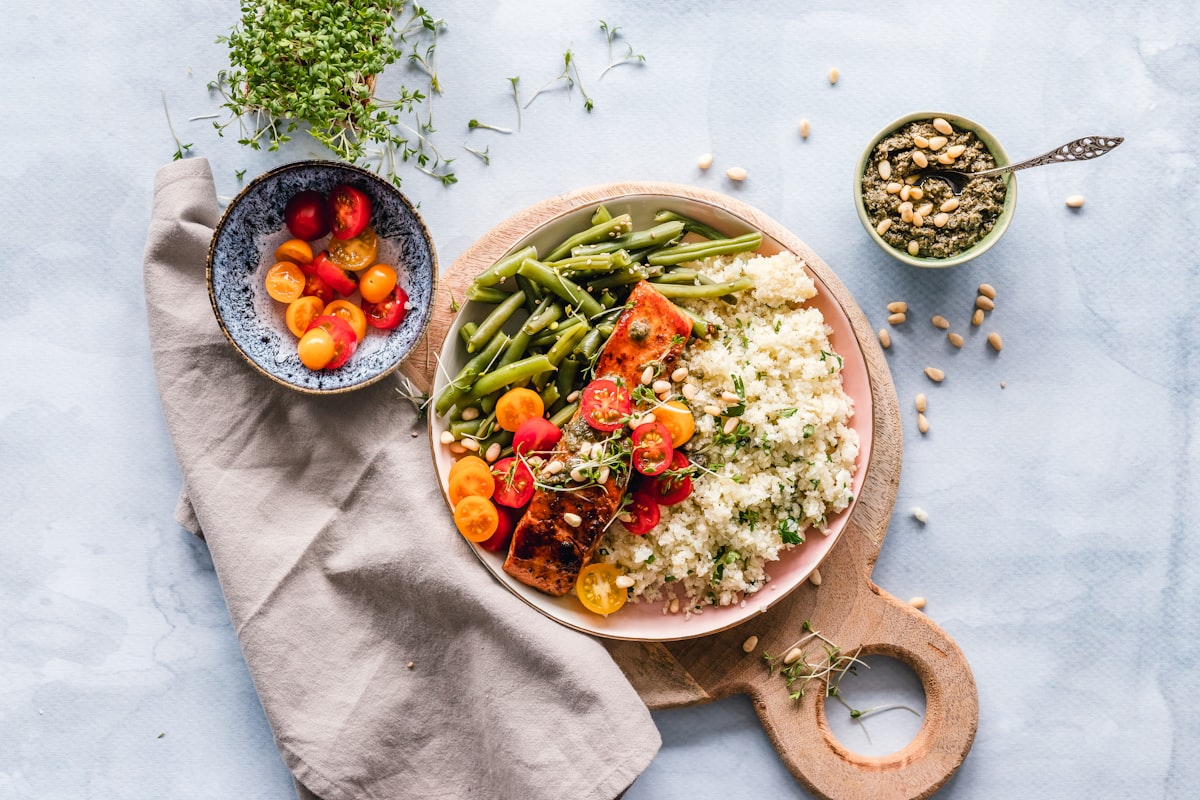
On the flip side, what _should_ you be eating? Focus on foods that are as fresh as possible. The less they're processed or aged, the better. This means:
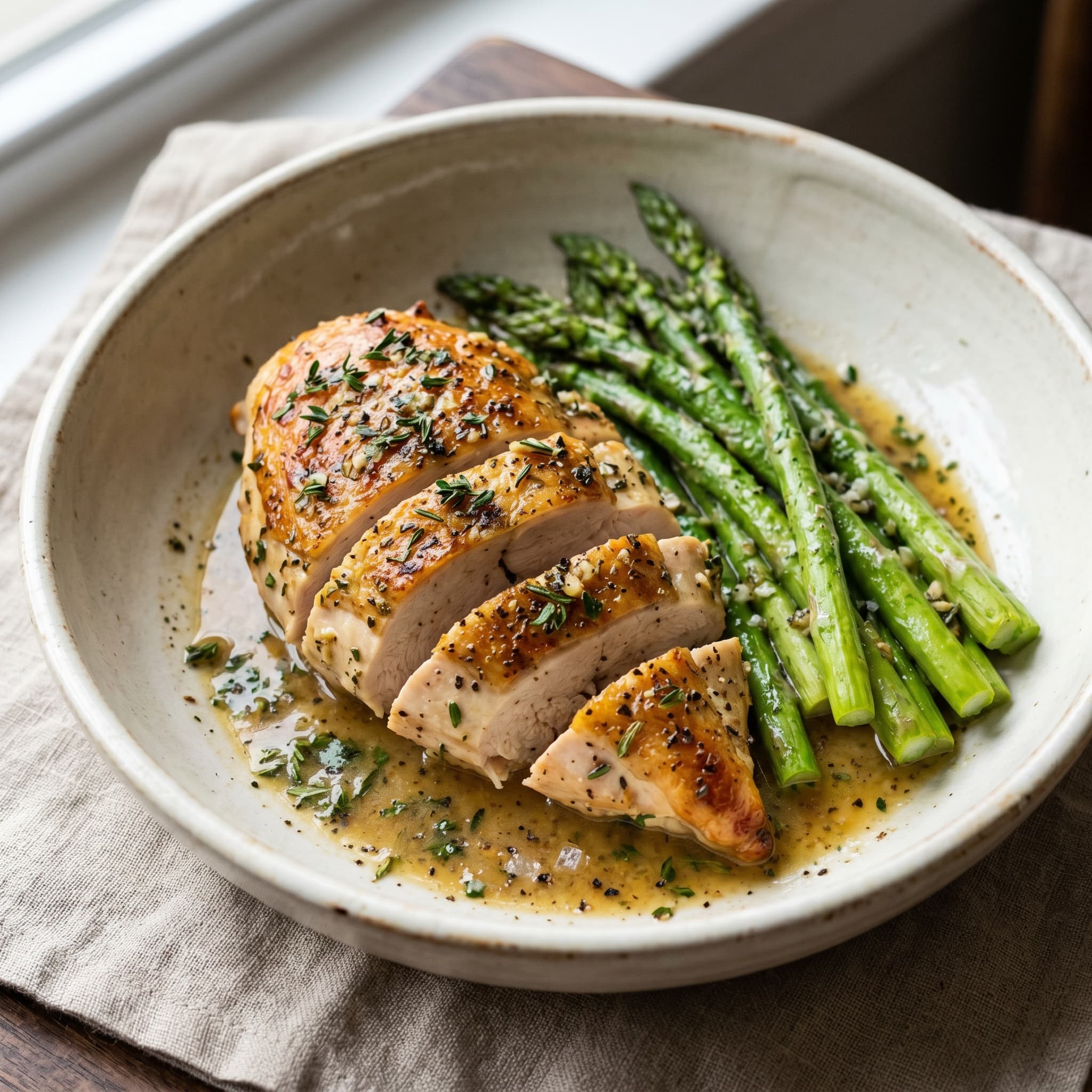
- Freshly cooked meats and poultry: Cook them soon after buying.
- Freshly caught fish: Eat it the same day you buy it.
- Most fresh fruits: Berries, apples, melons are usually good choices.
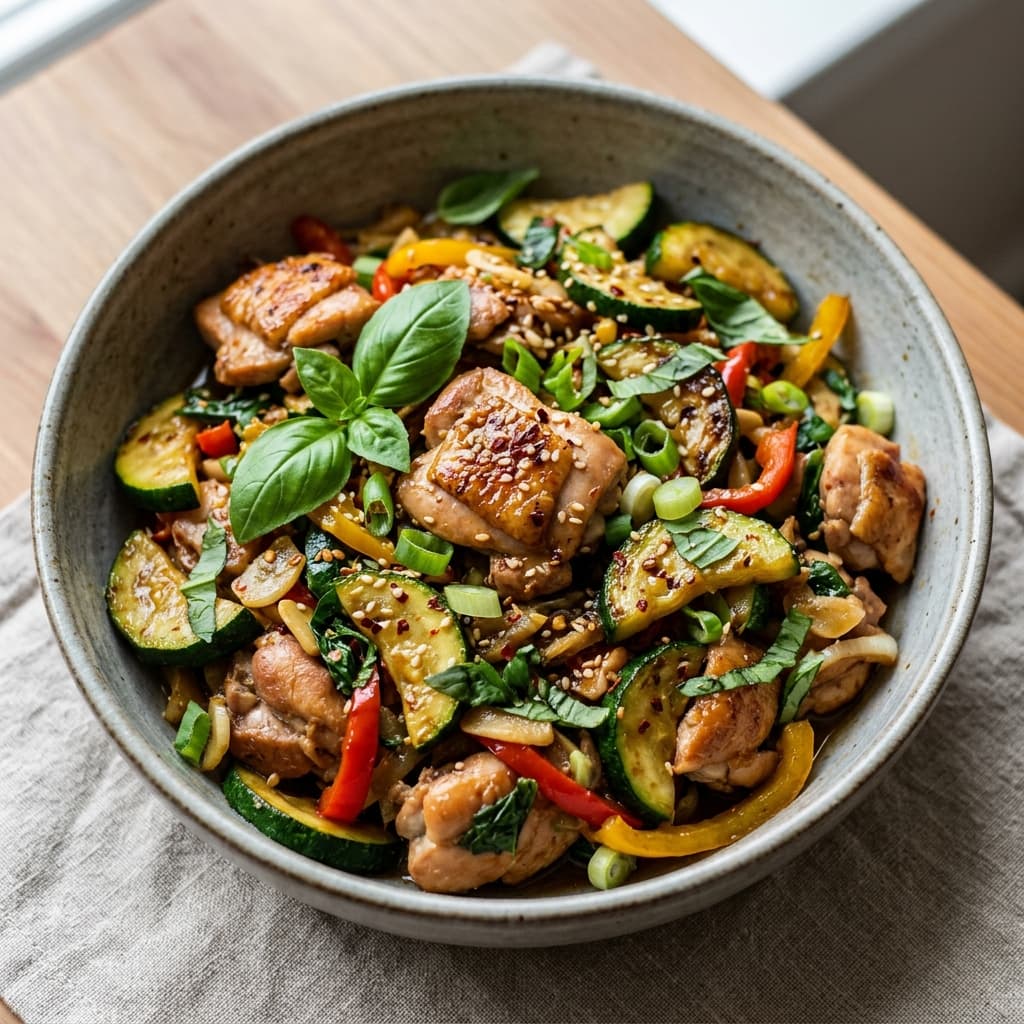
- Most fresh vegetables: Carrots, broccoli, zucchini, sweet potatoes.
- Gluten-free grains: Rice, quinoa, oats.
- Dairy substitutes: Coconut milk, almond milk (check labels for additives).
It's really about choosing whole foods. Think simple meals made from scratch. This approach helps minimize histamine exposure.
Potential Role of Supplements
While diet is key, some people find supplements helpful. The enzyme diamine oxidase (DAO) is what your body uses to break down histamine from food. If your DAO levels are low, you might have trouble. Some supplements aim to provide this enzyme. However, the science here is still developing, so it's not a magic bullet. It's always best to chat with a doctor or a registered dietitian before starting any new supplements.
Managing histamine intolerance often involves a trial-and-error process. What works for one person might not work for another. Paying close attention to your body's reactions is super important.
Lifestyle Adjustments
Beyond food, a few other things can help. Alcohol, as mentioned, is a big trigger for many. Smoking can also make symptoms worse. Trying to eat regular meals, rather than skipping them or eating erratically, can also support your digestive system. It's all about creating a more stable environment for your body to handle histamine.
Wrapping Up Histamine Intolerance
So, dealing with histamine intolerance can feel like a real puzzle. The symptoms are all over the place and can easily be mistaken for other things, which makes figuring it out tricky. It's not a simple allergy, but more about your body having a hard time breaking down histamine. If you're feeling off and suspect this might be the reason, talking to a doctor is definitely the way to go. They can help rule out other issues and guide you on what to do next, which often involves looking closely at your diet. It might take some trial and error, but understanding your body's reactions is key to feeling better.
Frequently Asked Questions
What exactly is histamine intolerance?
Histamine intolerance means your body has too much histamine because it can't break it down properly. Histamine is a chemical your body uses for important jobs like sending messages to your brain and helping with digestion. When there's too much, it can cause problems.
What are the common signs of histamine intolerance?
You might experience stomach troubles like diarrhea or bloating, skin issues such as hives or itching, breathing problems like a stuffy nose or wheezing, headaches, or even changes in your menstrual cycle. It can really affect different parts of your body.
Why is it hard to figure out if someone has histamine intolerance?
It's tricky because the symptoms can look a lot like other health problems, like allergies or stomach issues. Doctors usually have to rule out other conditions first before considering histamine intolerance.
What makes histamine levels go up in the body?
Sometimes, your body doesn't make enough of the enzymes (like DAO) that break down histamine. Things like genetics, certain medicines, gut problems, or even eating lots of histamine-rich foods can affect this.
What kinds of foods should I watch out for if I think I have histamine intolerance?
Foods that are aged, fermented, or cured are often high in histamine. This includes things like old cheeses, wine, beer, cured meats, and some fish. Certain fruits and vegetables can also be triggers.
How can I manage histamine intolerance?
The main way is to eat a diet low in histamine, focusing on fresh, unprocessed foods. Sometimes, supplements might help, and avoiding things like alcohol can also make a difference. Talking to a doctor or a dietitian is a good first step.