Low-Histamine Breakfast
Discover delicious, low-histamine breakfast ideas and learn how to gently test new foods to find what truly nourishes your body. Say goodbye to morning anxiety and hello to joyful, satisfying meals!
Unlocking Happy Mornings: Your Guide to Discovering Low-Histamine Breakfasts That Work for You
Waking up should feel good, shouldn't it? But for many of us, the thought of breakfast can bring a wave of anxiety, especially when you're navigating the tricky waters of histamine intolerance. You're probably tired of feeling limited, frustrated, and maybe even a little deprived, wondering if you'll ever enjoy a morning meal again.
I totally get it. It's tough when the foods you once loved now cause discomfort. But I've been looking into this, and I want to show you that a delicious, satisfying, and low-histamine breakfast isn't just a dream; it's absolutely achievable. The good news is, with a little understanding and some gentle experimentation, you can discover a whole new world of morning delights that truly nourish your body.
The Morning Maze: Why Breakfast Can Be a Histamine Hurdle
Let's be honest, breakfast foods often feel like they're designed to be histamine bombs! Think about it: aged cheeses, fermented yogurts, processed bacon, and even certain fruits can be high in histamine or trigger its release. If you're sensitive, these everyday staples can leave you feeling sluggish, itchy, or just generally unwell before your day has even properly begun.
Histamine intolerance happens when your body has trouble breaking down histamine, a natural compound found in many foods and produced by your own body. When you consume too much, or your enzymes aren't working as they should, histamine builds up, leading to a whole cascade of uncomfortable symptoms. It's not an allergy, but it can certainly feel just as frustrating.
Many of us grab what's convenient in the morning, which often means leftovers or quick fixes that might not be fresh. Unfortunately, histamine levels tend to increase in foods as they age, so that day-old chili or even a sandwich from yesterday can be problematic. It's a tricky situation, but I promise you're not alone in feeling this.
Building Your Safe Haven: Core Principles for Low-Histamine Breakfasts
The key to happy, low-histamine mornings lies in understanding a few core principles. Think of these as your building blocks, helping you create meals that are both delicious and gentle on your system. It's all about fresh, simple, and intentional choices.
First and foremost, focus on **freshness**. Histamine levels increase over time, so cooking from scratch and eating your meals soon after preparation is a game-changer. This means saying goodbye to most leftovers, at least initially, unless they're frozen immediately after cooking.
Next, embrace **single-ingredient foods**. The less processed something is, the less likely it is to contain hidden histamine boosters or additives that might trigger a reaction. We're aiming for clean, clear ingredients that you can easily identify.
Here are some friendly foods you can generally embrace for breakfast:
- Fresh, unprocessed proteins: Think freshly cooked chicken or turkey breast, lamb, or white fish like cod or sole. Eggs are often tolerated by some, but can be a trigger for others, so approach them carefully.
- A variety of fresh vegetables: Zucchini, carrots, broccoli, cauliflower, asparagus, bell peppers (green, yellow, orange), sweet potatoes, and leafy greens like kale or collards are usually good choices.
- Tolerated fruits: Blueberries, raspberries, blackberries, apples, pears, melon, mango, and lychee are often well-received.
- Gluten-free grains: Rice (white or brown), quinoa, millet, and gluten-free oats can form a great base for many meals.
- Healthy fats: Olive oil, coconut oil, ghee, and macadamia nut oil are fantastic for cooking and adding flavor.
- Fresh herbs: Basil, oregano, thyme, rosemary, and parsley can add so much vibrancy without a histamine hit.
On the flip side, you'll want to be cautious with (or avoid initially) these common breakfast culprits:
- Aged cheeses, yogurt, kefir, sour cream
- Fermented foods like sauerkraut or kombucha
- Processed meats such as bacon, sausage, or deli slices
- Citrus fruits (oranges, lemons, limes), bananas, avocados, spinach, and tomatoes
- Vinegar, soy sauce, and many condiments
- Any leftovers that haven't been frozen immediately after cooking
Remember, everyone's tolerance is unique, so this is just a starting point. Your personal journey will help you fine-tune this list.
Your Personal Low Histamine Breakfast Test: A Gentle Journey of Discovery
This is where the real magic happens! Finding your personal safe list for breakfast isn't about guesswork; it's about becoming a gentle detective for your own body. I call this your **low histamine breakfast test** – a structured, yet flexible, way to discover what truly nourishes you. It might sound like a lot, but it's actually simpler than it seems when you break it down.
Step 1: Start with Your Known Safeties
Begin your day with foods you already know you tolerate well. This might mean keeping your breakfasts very simple for a week or two, using only ingredients from the 'embrace' list above. This helps calm your system and gives you a baseline for how you feel when histamine levels are low.
Step 2: Introduce One New Food at a Time
Once you've established a baseline, you can start introducing new potential low-histamine foods. The key here is *one at a time*. For example, if you've been eating rice porridge with blueberries, and you want to see if apples are okay, add a small amount of apple to your breakfast for a few days. Don't add anything else new during this period.
Step 3: Keep a Food and Symptom Journal
This is your most powerful tool! For each day, write down:
- Everything you ate and drank (especially for breakfast).
- The time you ate.
- Any symptoms you experience (e.g., headache, itching, digestive upset, fatigue).
- The time symptoms appeared and how long they lasted.
- How you generally feel (energy levels, mood).
This journal will help you spot patterns and make connections between what you eat and how you feel. Research out of places like Monash University, known for their work on food sensitivities, often highlights the importance of detailed food journaling in understanding individual responses.
Step 4: Listen to Your Body, Patiently
Your body is always giving you signals. Pay close attention. If you introduce a new food and notice symptoms, make a note, and then remove that food for a while. You might try it again later, as tolerance levels can change. If you feel fine, great! That food can likely be added to your personal 'safe' list.
Step 5: Don't Be Afraid to Adjust
This isn't a race; it's a marathon. Some days you might tolerate more than others, and that's perfectly normal. Stress, sleep, and even hormonal changes can all influence your histamine tolerance. Be kind to yourself throughout this discovery process.
Delicious Mornings Await: Low-Histamine Breakfast Ideas to Inspire You
Now for the fun part – imagining all the yummy things you *can* eat! Getting creative with fresh, simple ingredients can lead to truly satisfying breakfasts. Here are some ideas to get you started, perfect for your ongoing low histamine breakfast test.
Savory & Satisfying
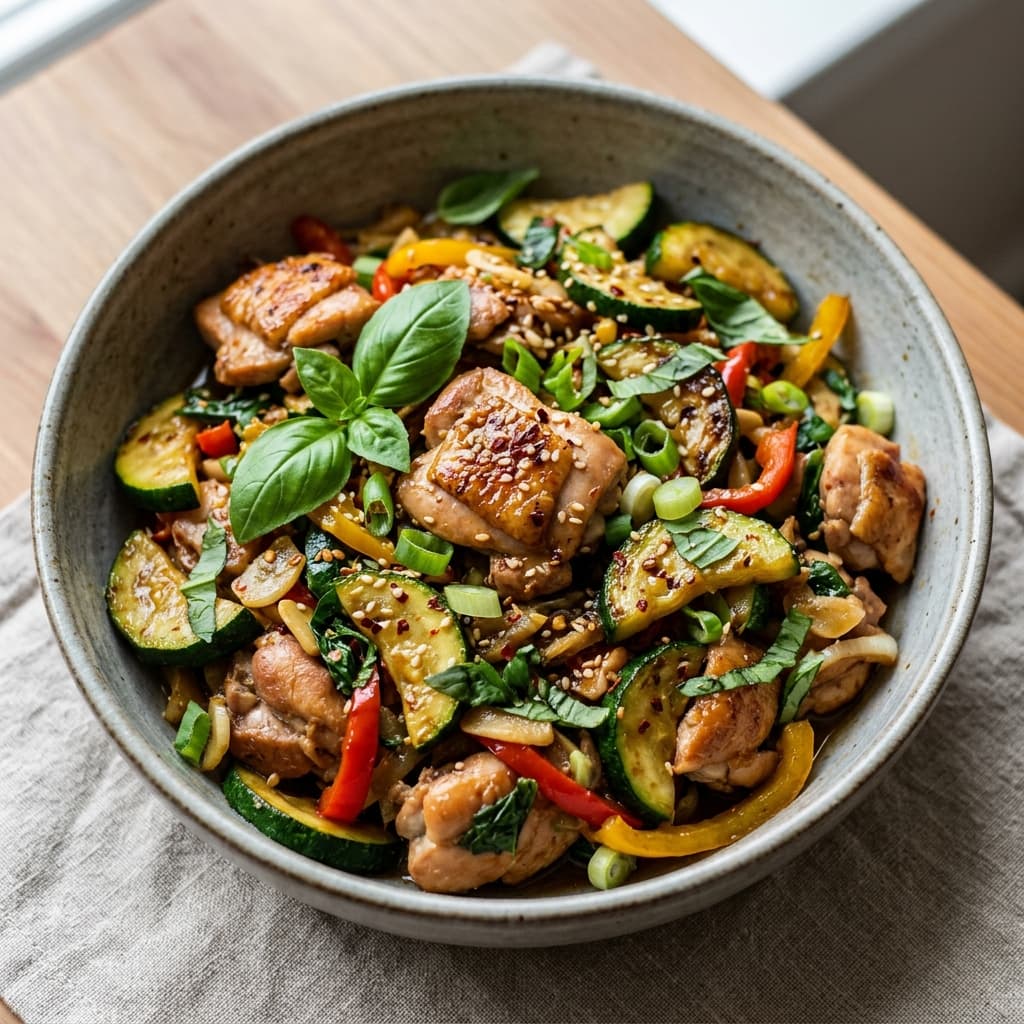
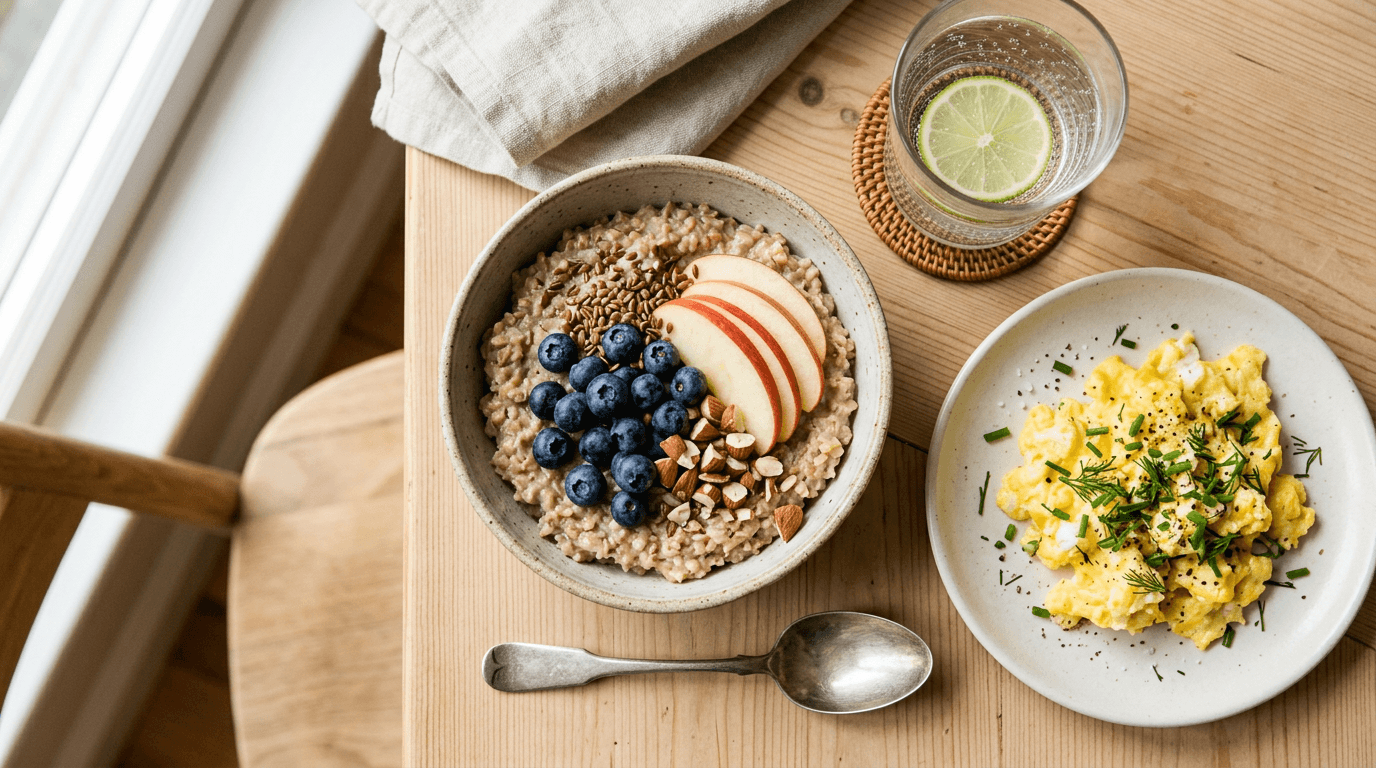
- Simple Scramble: If you tolerate eggs, scramble them with a handful of chopped zucchini and fresh basil or oregano. Cook in olive oil or ghee. Serve with a side of quickly roasted sweet potato cubes.
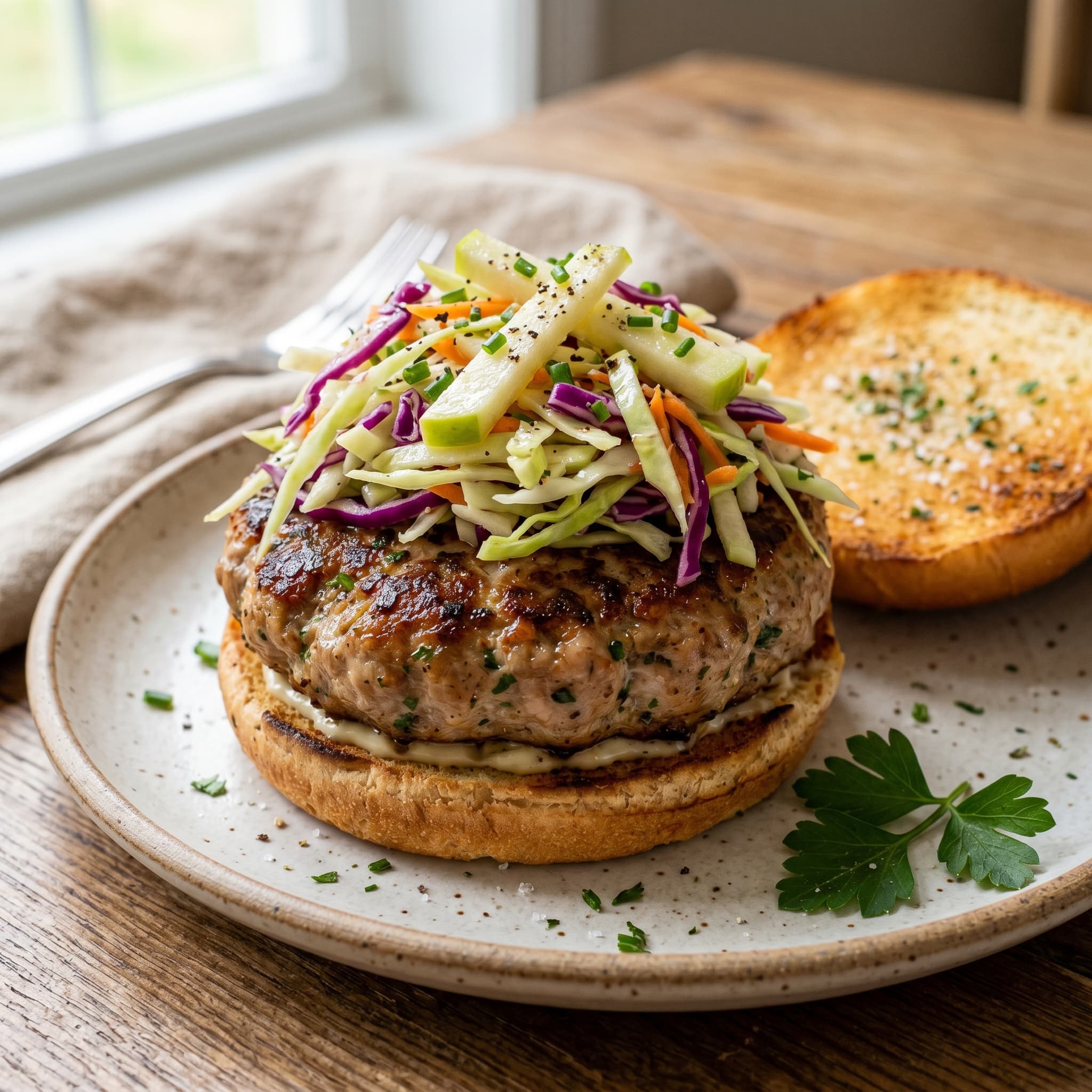
- Turkey & Veggie Patties: Make small patties from fresh ground turkey or chicken, seasoned with salt, pepper, and fresh parsley. Pan-fry them and serve with steamed broccoli and a drizzle of olive oil.
- Rice Porridge with Greens: Cook white rice with water until very soft, like a porridge. Stir in some quickly wilted kale or spinach (if tolerated, otherwise use bok choy or chard) and a touch of salt. Add a lean protein like shredded chicken if you like.
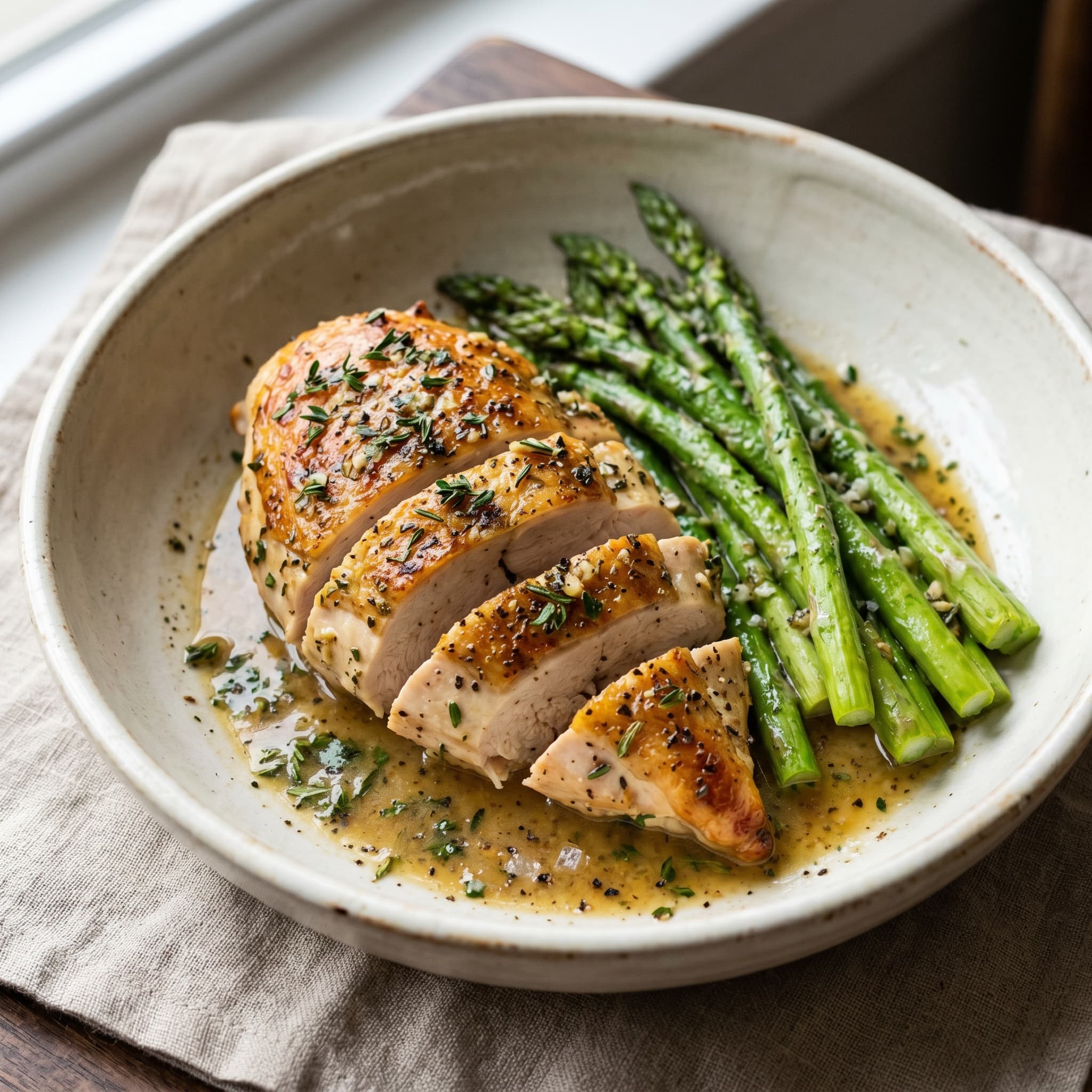
- Baked White Fish with Asparagus: A small portion of freshly baked cod or sole with steamed asparagus and a squeeze of fresh lemon (if tolerated, test this carefully!). It might sound unconventional for breakfast, but it's wonderfully clean and nourishing.
Sweet & Comforting
- Berry & Apple Oatmeal: Cook gluten-free rolled oats with water or rice milk. Top with fresh blueberries, raspberries, or diced apple. A sprinkle of cinnamon adds warmth and flavor.
- Millet Porridge with Pear: Millet is a lovely, gentle grain. Cook it into a creamy porridge and stir in diced pear and a pinch of cardamom.
- Mango & Blueberry Smoothie: Blend fresh or frozen mango chunks with blueberries, rice milk, and a small amount of rice protein powder (if you use it and tolerate it). Keep it simple and fresh.
- Rice Cakes with Coconut Butter: A quick option! Spread a thin layer of pure coconut butter on rice cakes and top with a few fresh raspberries.
Smart Strategies for Stress-Free Mornings
Even with a low-histamine diet, mornings can still be a rush. That's why a little planning goes a long way. These strategies will help you keep your cool and enjoy your breakfast without added stress.
Meal Prep Power
While freshness is key, some components can be prepped. For example:
- **Chop your veggies:** Get your zucchini, sweet potatoes, or broccoli pre-chopped and stored in the fridge.
- **Cook grains ahead:** You can cook a batch of rice or quinoa and store it in the fridge for a day or two, ready to be reheated or used as a base. Just remember, the longer it sits, the more histamine can develop, so try to use it quickly.
- **Make your own spice blends:** Create custom herb mixes for your proteins or grains.
Freeze Your Freshly Cooked Proteins
If you cook a larger batch of chicken or turkey breast, portion it out immediately after cooking and freeze it. This locks in the freshness and keeps histamine levels low. You can then thaw a portion overnight or quickly reheat it in the morning.
Emergency Staples
Keep a few truly safe, shelf-stable items on hand for those days when you're just out of time or energy. Rice cakes, tolerated gluten-free crackers, or some fresh fruit can be lifesavers.
Hydration is Your Friend
Always start your day with a glass of filtered water. It's universally low-histamine and helps support your body's natural processes.
Your Path to Happier Breakfasts Starts Now
I know it can feel overwhelming at first, but remember, this isn't about deprivation; it's about discovery. You're giving your body a chance to feel truly good, and that's something worth celebrating! Every small step you take, every new safe food you find, is a victory.
You've got this. Be patient, be kind to yourself, and trust the process. Why not pick *one* new low-histamine breakfast idea from this article to try this week? Just one small step can make a huge difference in how you feel each morning. Here's to many more happy, healthful breakfasts ahead!