Low histamine diet: Foods to eat and to avoid
Feeling overwhelmed by histamine intolerance? I'm sharing my guide to delicious low histamine diet foods, from fresh proteins to vibrant veggies and smart cooking tips, so you can find comfort and joy in your meals again.
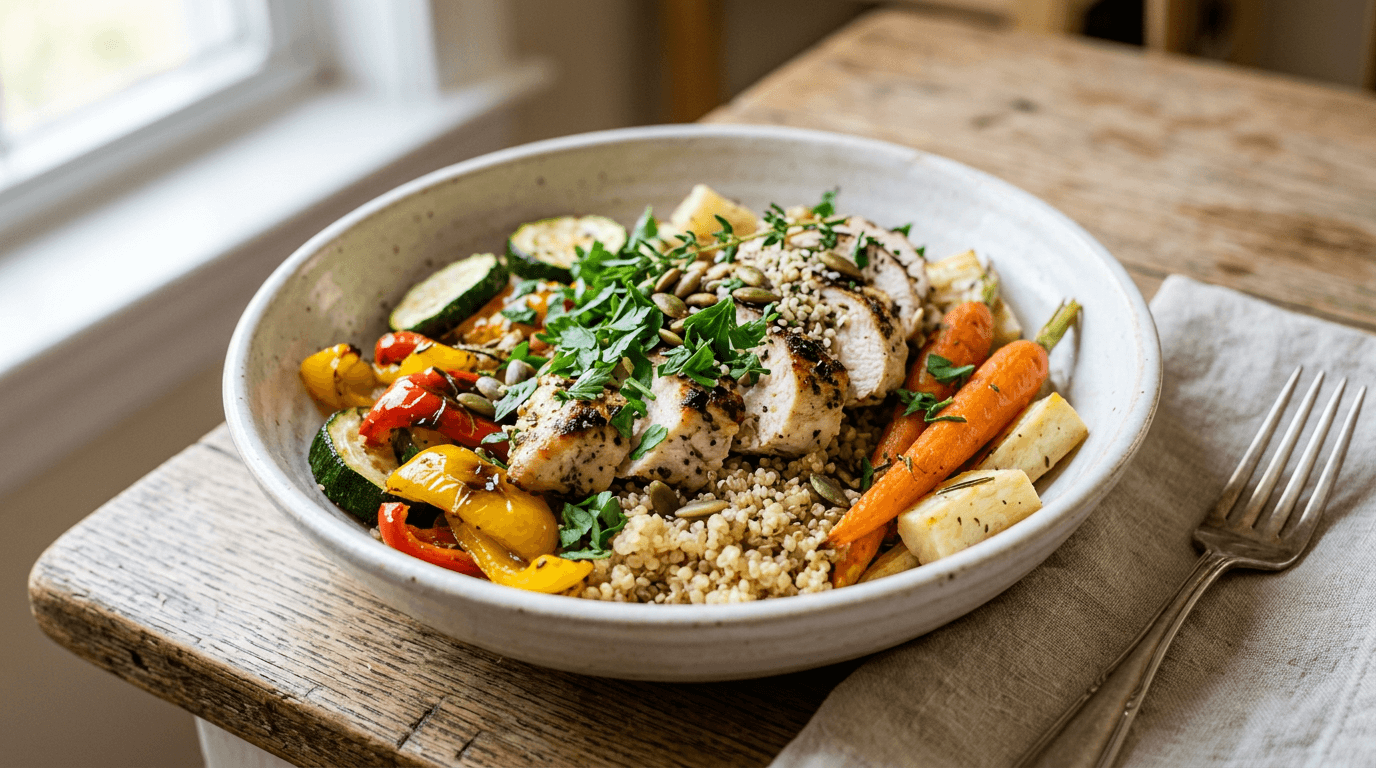
Navigating a low histamine diet: Your guide to delicious, gentle foods
Dealing with histamine intolerance can feel like you're constantly walking on eggshells with your food, doesn't it? One minute you're enjoying a meal, and the next you're facing uncomfortable symptoms like headaches, hives, or an upset stomach. It's truly frustrating trying to figure out what's safe to eat and what's going to trigger a reaction.
But here's the good news: it doesn't have to be so overwhelming! I've been looking into how we can make eating a low histamine diet a nourishing and even joyful experience. Let's explore the foods that can bring you comfort and relief, and how to prepare them in a way that truly supports your well-being.
Understanding histamine intolerance: It's all about balance
First, let's chat a bit about what histamine intolerance actually is. Histamine is a natural compound in our bodies that plays a role in our immune system, digestion, and even our brain function. It's also found in many foods. Normally, our bodies have an enzyme called Diamine Oxidase, or DAO, which helps break down excess histamine.
For some of us, though, that DAO enzyme might not be working as efficiently as it should, or we might be consuming too many histamine-rich foods for our bodies to handle. When histamine builds up, that's when you start noticing those uncomfortable symptoms like flushing, nasal congestion, digestive upset, or even anxiety after eating, as research suggests [histamine-accumulation-in-food]. It's not an allergy; it's more like your body's histamine bucket is simply overflowing.
Decoding your plate: High histamine, liberators, and DAO blockers
When you're navigating a low histamine diet, it's not just about avoiding foods that are *obviously* high in histamine. There are a couple of other categories to be aware of, and understanding them can make a huge difference in how you feel. Think of it like a detective game for your plate!
High severity: Foods to avoid during an elimination phase
These are the big histamine offenders. They contain high levels of histamine directly, or they're rich in tyramine, which can also cause issues. During an elimination phase, it's generally best to steer clear of these completely:
- Fermented foods: Sauerkraut, kimchi, kombucha, kefir, yogurt, and soy sauce are often big triggers [histamine-liberators-triggers].
- Aged and cured meats: Salami, sausages, pepperoni, and prosciutto fall into this category [histamine-liberators-triggers].
- Aged cheeses: Parmesan, cheddar, gouda, and blue cheese are usually high in histamine [histamine-liberators-triggers].
- Fermented beverages: Alcohol, especially red wine and beer, can be quite problematic [histamine-liberators-triggers].
- Certain fish: Canned, smoked, or leftover fish, as well as shellfish and scombroid fish like tuna and mackerel, tend to be high in histamine [histamine-liberators-triggers].
Medium severity: Histamine liberators to monitor closely
These foods don't *contain* a lot of histamine themselves, but they can trigger your body to *release* its own stored histamine. Everyone's different, so you'll want to pay close attention to how you react to these:
- Fruits: Citrus fruits (like lemons, limes, oranges), strawberries, pineapple, and papaya can be histamine liberators for some [histamine-liberators-triggers].
- Vegetables: Tomatoes, spinach, and eggplant are often on this list [histamine-liberators-triggers].
- Nuts and legumes: Walnuts, cashews, and peanuts might be problematic [histamine-liberators-triggers].
- Additives: Artificial food colorings and preservatives can also act as liberators [histamine-liberators-triggers].
DAO enzyme blockers: What to sip and savor carefully
Some foods and drinks can actually interfere with your DAO enzyme's ability to break down histamine. This means even if you're eating low histamine foods, these blockers could still cause symptoms:
- Black tea, green tea, mate tea, and energy drinks are known DAO enzyme blockers [histamine-liberators-triggers].
Your low histamine pantry: Foods to embrace
Now for the fun part – focusing on what you *can* eat! The good news is there are so many delicious, fresh, and wholesome foods that are naturally low in histamine. Building your meals around these staples can make your journey much more enjoyable and less restrictive.
Fresh proteins: The foundation of your meals
When it comes to protein, freshness is truly key. The longer meat or fish sits, even in the fridge, the more histamine can accumulate [histamine-accumulation-in-food].
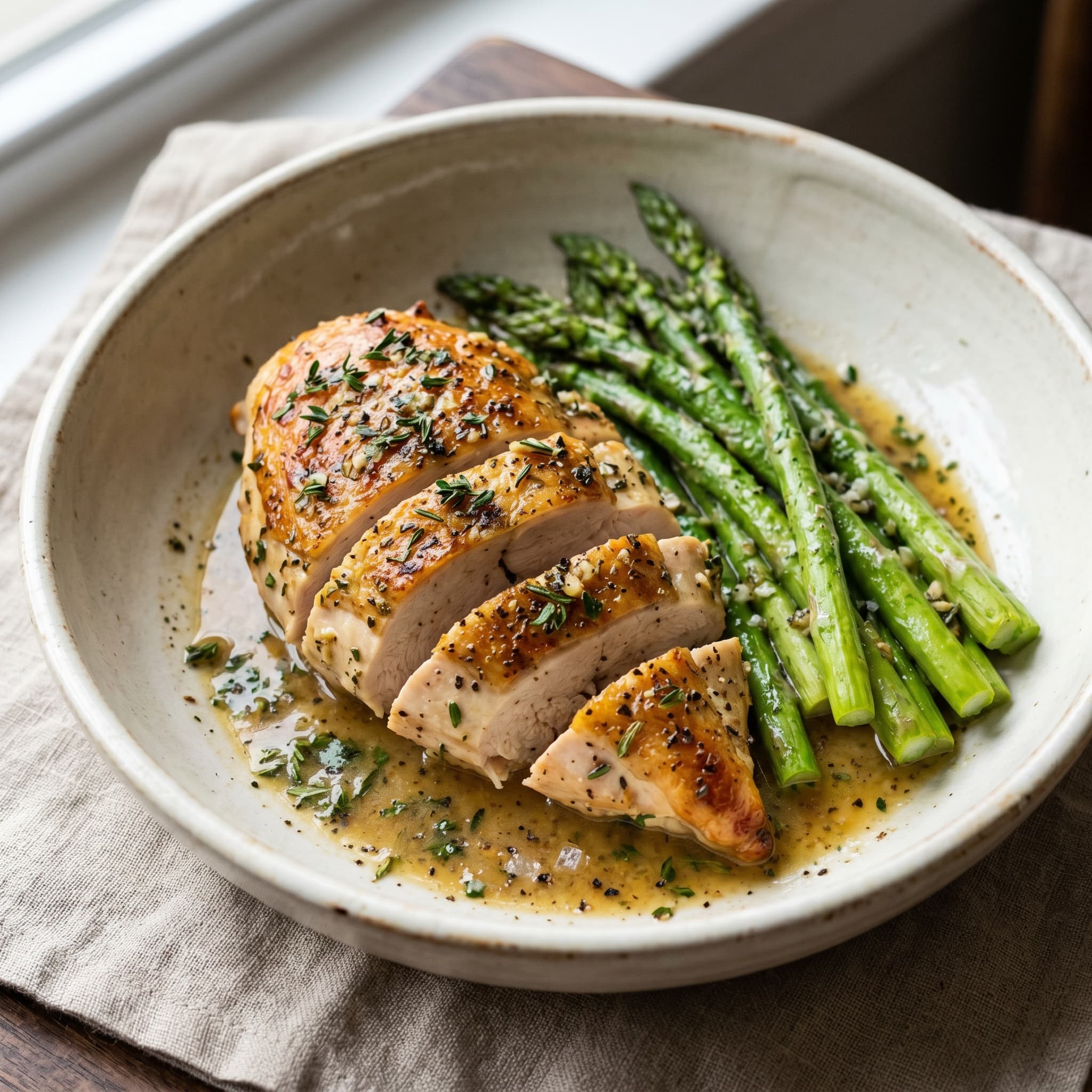
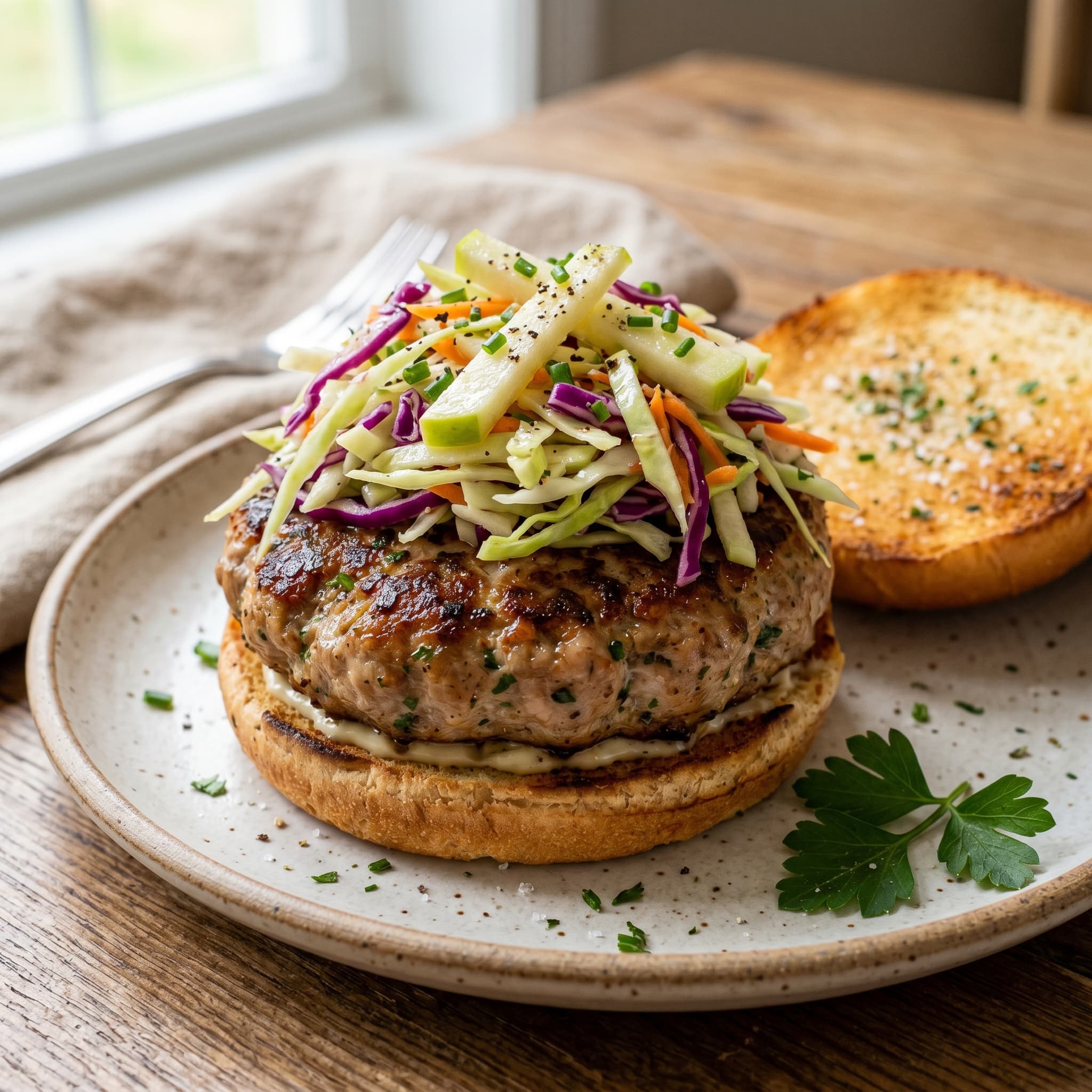
- Fresh chicken or turkey: These are generally well-tolerated [histamine-accumulation-in-food]. Think about buying fresh and cooking it right away, or freezing it in portions immediately after purchase.
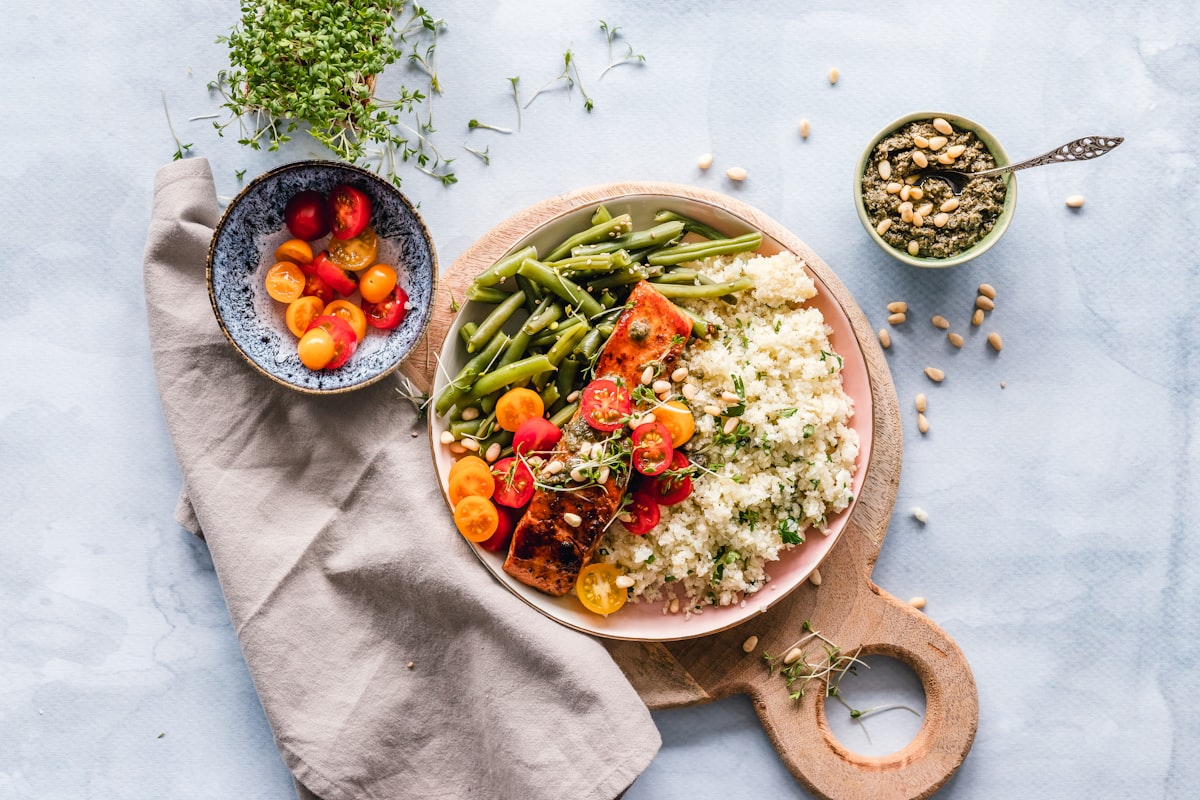
- Freshly caught fish: If it's gutted and frozen right after catch, or cooked immediately, white fish like cod can be a fantastic option [histamine-liberators-triggers]. Our Pan-Seared White Fish with Roasted Sweet Potatoes and Zucchini recipe is a perfect example, emphasizing flash-frozen fish and quick cooking.
- Eggs: Cooked eggs are usually fine, though raw egg whites can be histamine liberators for some [histamine-liberators-triggers].
Wholesome grains and starches: Gentle energy
These provide comforting, low-histamine energy that's easy on your system.
- Rice: A versatile staple, whether it's long-grain or jasmine.
- Quinoa: A fantastic gluten-free option that's packed with nutrients.
- Millet and corn: Other great gluten-free choices [histamine-liberators-triggers].
- Potatoes and sweet potatoes: Naturally low in histamine and wonderfully comforting [histamine-accumulation-in-food].
Our Herbed Rice Patties with Fresh Fruit Salad showcases how simple rice can be transformed into a delicious, low-histamine meal.
Vibrant fruits and vegetables: Nature's bounty
Load up on these fresh, colorful options for vitamins, minerals, and fiber. Remember to always choose fresh or frozen over canned, pickled, or fermented [histamine-accumulation-in-food].
- Fruits: Apples, pears, peaches, melons, blueberries, mango, and watermelon are generally well-tolerated [histamine-liberators-triggers, histamine-accumulation-in-food].
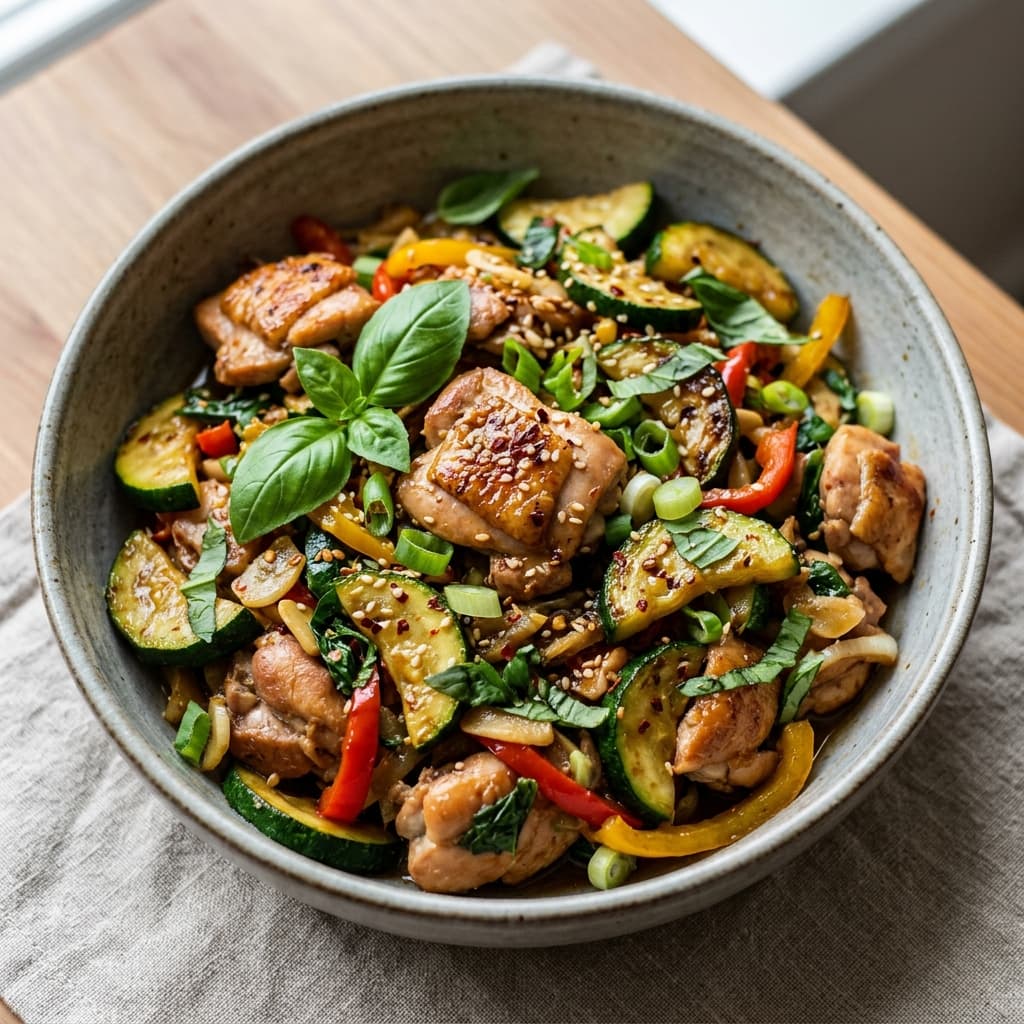
- Vegetables: Zucchini, cucumbers, carrots, broccoli, asparagus, potatoes, cauliflower, lettuce, and bell peppers are all great choices [histamine-liberators-triggers, histamine-accumulation-in-food].
Healthy fats and flavor enhancers: Making meals delicious
You don't have to sacrifice flavor on a low histamine diet!
- Oils: Olive oil and coconut oil are excellent choices.
- Fresh butter: Make sure it's fresh and not cultured [histamine-accumulation-in-food].
- Fresh herbs: Basil, oregano, thyme, rosemary, and parsley are your best friends for adding flavor without histamine [histamine-accumulation-in-food]. Rosemary and thyme even contain compounds that can help reduce inflammation [anti-inflammatory].
- Garlic and ginger: Fantastic for flavor and have anti-inflammatory properties [anti-inflammatory].
- Sweeteners: Maple syrup and honey can be used in moderation [histamine-accumulation-in-food].
- Dairy substitutes: Coconut milk, rice milk, or almond milk are good alternatives to traditional dairy [histamine-liberators-triggers]. Just be sure to check labels for additives.
- Coconut aminos: A great alternative to soy sauce for savory dishes [histamine-accumulation-in-food].
Cooking and storage: Your secret weapons against histamine
How you prepare and store your food is *just* as important as what you choose to eat. Histamine levels can increase rapidly after food is cooked or even just sitting out. This is where you can truly empower yourself!
Embrace freshness and speed
- Cook immediately: Try to cook fresh ingredients as soon as you get them home.
- Eat right away: The sooner you eat your meal after cooking, the better. Leftovers can quickly accumulate histamine [histamine-liberators-triggers]. If you cook a large batch, divide it into single portions and freeze them immediately.
- Quick cooking methods: Steaming or sautéing quickly can help minimize histamine formation [histamine-accumulation-in-food].
Smart storage strategies
- Freeze it fast: If you can't eat something immediately, freeze it in individual portions. This halts histamine development [histamine-liberators-triggers].
- Avoid slow cooking: While tempting, slow cookers can give histamine more time to develop.
- Small batches: Make fresh dressings and sauces in small batches to use up quickly [histamine-accumulation-in-food].
Putting it all together: Your low histamine kitchen in action
It can feel like a lot to remember, but I promise, with a little practice, this becomes second nature. Let's look at how you can build satisfying, low-histamine meals.
Building a balanced plate
Think about combining a fresh protein, a wholesome grain or starch, and plenty of fresh vegetables. Here are some ideas:
- Breakfast: Oatmeal (ensure it's fresh, not instant with additives) with blueberries and a drizzle of maple syrup. Or scrambled eggs with sautéed zucchini and carrots.
- Lunch: A generous salad with fresh lettuce, cucumber, bell peppers, and freshly cooked chicken or turkey, dressed with olive oil and fresh herbs.
- Dinner: Our Pan-Seared White Fish with Roasted Sweet Potatoes and Zucchini is a wonderful example, pairing flaky cod with roasted root vegetables and rice, all seasoned with fresh herbs. It's designed for quick cooking and immediate enjoyment.
- Soup: A nourishing bowl of our Low-Histamine Mediterranean Chicken and Rice Soup with lean chicken, carrots, celery, bell pepper, and zucchini, flavored with parsley, thyme, and a touch of turmeric. It's comforting and gentle.
- Snacks: Fresh fruit like apples or pears, rice cakes, or fresh vegetables with freshly made hummus (if tolerated, as chickpeas can sometimes be a liberator for sensitive individuals) [histamine-accumulation-in-food]. Our Herbed Rice Patties with Fresh Fruit Salad makes for a fantastic, compliant snack or light meal.
Herbs and spices: Your flavor allies
Don't forget the power of herbs and spices to elevate your dishes while also offering health benefits. Turmeric, ginger, garlic, and cinnamon are particularly notable for their anti-inflammatory properties [anti-inflammatory]. Incorporating these can add depth and support your body's overall well-being.
Beyond the plate: A holistic approach to feeling better
While food is a huge part of managing histamine intolerance, it's really just one piece of the puzzle. Supporting your overall health can make a big difference in how your body handles histamine.
- Gut health: A healthy gut microbiome is so important! Focusing on fresh, whole foods and plenty of fiber can nourish your beneficial gut bacteria [gut-microbiome]. Avoid ultra-processed foods, artificial sweeteners, and emulsifiers that can damage your gut lining [gut-microbiome].
- Stress management: Stress can impact every system in your body, including your immune response and digestion. Finding ways to relax and de-stress can be incredibly helpful.
- Professional guidance: If you're consistently struggling with symptoms, it's always a good idea to chat with a healthcare provider. They can help rule out other conditions like Mast Cell Activation Syndrome (MCAS), check your DAO enzyme levels, and guide you on things like supplemental DAO enzyme therapy [histamine-accumulation-in-food].
Navigating a low histamine diet can feel like a journey, but you're not alone. By focusing on fresh, wholesome foods and mindful preparation, you can absolutely find delicious ways to nourish your body and feel your best. Start small, perhaps by incorporating more fresh chicken and rice, and celebrate every step forward. Your body will thank you!