Mastering Low Salicylate Meal Prep: Strategies for Easy, Delicious Eating
Discover how low salicylate meal prep can simplify your life and bring joy back to eating. I'll share practical strategies, safe ingredient lists, and delicious recipes to help you navigate salicylate sensitivity with ease.
Mastering Low Salicylate Meal Prep: Strategies for Easy, Delicious Eating
Dealing with salicylate sensitivity can feel like navigating a culinary minefield, can't it? You're constantly checking labels, second-guessing ingredients, and sometimes, it just feels easier to stick to a handful of 'safe' foods. I totally get it; the thought of cooking every single meal from scratch, all while keeping salicylates in mind, can be incredibly overwhelming.
But here's the good news: it doesn't have to be that way! I've been looking into how we can make low salicylate eating not just manageable, but *enjoyable* and even *exciting*, especially with the power of meal prep. Let me show you how a little planning can transform your kitchen routine and bring back the joy of food.
Understanding Salicylates and Your Body
First, let's chat a bit about what salicylates are. They're natural compounds found in a huge variety of plants, acting as a defense mechanism for the plant itself. For most people, they're completely harmless, and actually, many foods high in salicylates are super healthy! Think berries, certain spices, and some vegetables.
However, for those of us with salicylate sensitivity, these compounds can trigger a range of uncomfortable symptoms. It's a highly personal journey, and what affects one person might not bother another. That's why building a personalized approach is so important, and meal prep is a fantastic tool for that.
The research is still evolving, but we know that some low-salicylate foods can still offer wonderful anti-inflammatory benefits. For instance, peeled pears, bananas, cabbage, celery, and sunflower oil are generally well-tolerated and can be great additions to your plate. It's all about finding *your* safe haven in the world of food.
The Power of Preparation: Why Meal Prep Matters
When you're managing a food sensitivity like salicylates, spontaneity in the kitchen can sometimes lead to trouble. Meal prepping helps you take back control, turning potential stress into a feeling of calm and confidence. It's like having a culinary roadmap for your week, ensuring every meal aligns with your body's needs.
By planning your meals in advance, you're less likely to grab something on the fly that might contain hidden high-salicylate ingredients. It also means you'll have delicious, safe options ready to go, saving you time and mental energy during busy weekdays. Think of it as setting yourself up for success, one perfectly prepped meal at a time.
Stocking Your Low Salicylate Sanctuary: Pantry, Fridge, Freezer
A well-stocked kitchen is your best friend when you're meal prepping for a low salicylate diet. Having the right staples on hand means you can whip up delicious, safe meals without a last-minute dash to the store. Here's a checklist I've put together, inspired by expert recommendations:
Refrigerator Must-Haves
- Butter (it's a versatile, low-salicylate fat!)
- Eggs
- Milk and Heavy cream
- Plain cream cheese, Cheddar cheese, Parmesan cheese
- Fresh garlic, Leeks, Green cabbage, White potatoes, Celery
- Iceberg lettuce, Fresh chives, Flat-leaf parsley
- Ripe pears, Bananas
Freezer Essentials
- Plain chicken breasts, Plain beef (steaks, roasts), Plain lamb chops
- White fish fillets (like tilapia or haddock)
- Backup butter
- Homemade stock (always a good idea!)
- Cooked plain rice (portioned for easy meals)
- Pear puree (great for desserts or adding a touch of sweetness)
Pantry Staples
- White rice, Plain pasta (various shapes)
- White flour, Rolled oats, Plain breadcrumbs
- White sugar, Brown sugar, Maple syrup
- Safflower oil, Rice bran oil, Canola oil (these are your go-to cooking oils, as olive oil can be higher in salicylates)
- Salt (fine and flaky), White pepper
- Citric acid, Malt vinegar, White vinegar, Plain soy sauce
- Vanilla extract, Carob powder, Unflavored gelatin
- Rice cakes, Plain crackers
Having these items ready makes a huge difference. You'll feel so much more in control of your meals!
Smart Cooking Strategies to Lower Salicylates
It's not just *what* you eat, but *how* you prepare it that can make a difference in managing salicylate sensitivity. Some cooking methods can actually help reduce the salicylate content in certain foods, making them more tolerable for some individuals. The good news is, these are often simple adjustments!
Peeling and Boiling for Better Tolerance
For moderate-salicylate vegetables that you'd still love to include in your diet, there's a neat trick that might help. Research suggests that salicylates can be concentrated in the skin and are water-soluble. So, what does this mean for your cooking?
- Peel thoroughly: Always peel vegetables like potatoes or rutabaga completely. This is *really* important because salicylates tend to concentrate in the skin.
- Cut into small pieces: Smaller pieces mean more surface area exposed to water.
- Boil in fresh water: Boil these pieces in fresh water for 5-10 minutes.
- Drain and discard the water: This step is key, as it helps remove some of the leached salicylates.
- Continue cooking as desired: After boiling, you can then proceed with your recipe, knowing you've taken a step to potentially improve tolerance.
This method doesn't eliminate salicylates completely, but it can make a noticeable difference for some people. It's a fantastic strategy for vegetables like potatoes or celery that you want to enjoy.
What to Watch Out For
While boiling can help, other preparation methods can actually *concentrate* salicylates, so it's best to avoid them if you're sensitive:
- Drying: Dried fruits, for example, have a much higher salicylate content than their fresh counterparts.
- Juicing: Just like drying, juicing concentrates salicylates, so fruit juices are generally not recommended.
- Microwave cooking: Some research suggests that microwaving might not reduce salicylates as effectively as boiling.
Spice Smarts
Spices are a tricky area because many are high in salicylates, even those with anti-inflammatory properties like turmeric and ginger. However, you don't have to live in a flavorless world! Garlic is your friend here; it's a fantastic anti-inflammatory and generally well-tolerated on a low salicylate diet. White pepper and salt are also safe bets. You can still create incredibly flavorful meals with careful choices.
GentleFeast's Low Salicylate Recipe Ideas for Your Prep Day
Now that we've talked about strategies, let's get to some delicious, meal-prep friendly recipes that fit a low salicylate lifestyle. These GentleFeast favorites are designed to be both comforting and safe, making your meal prep session a breeze.
Creamy Chicken & Rice Bowl
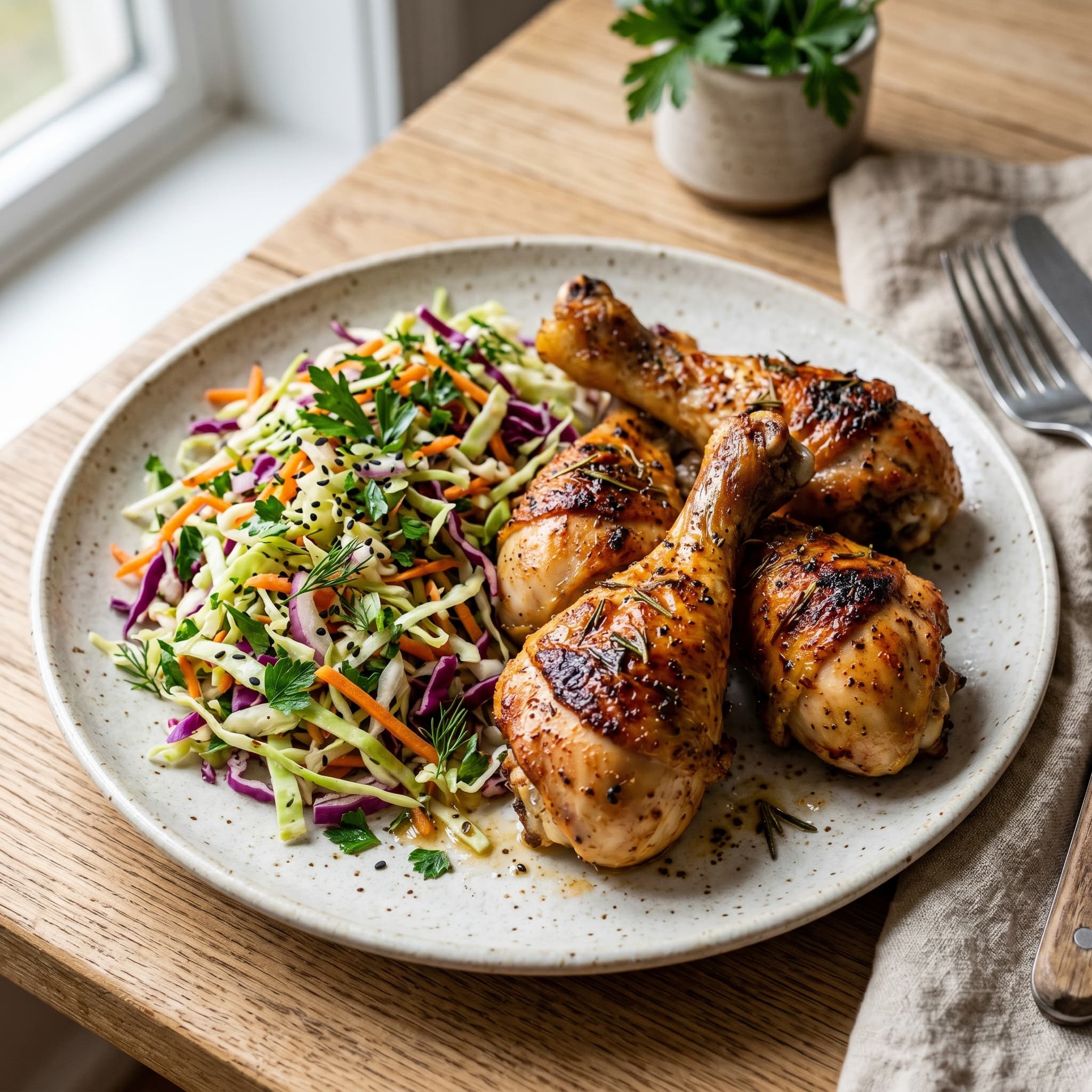
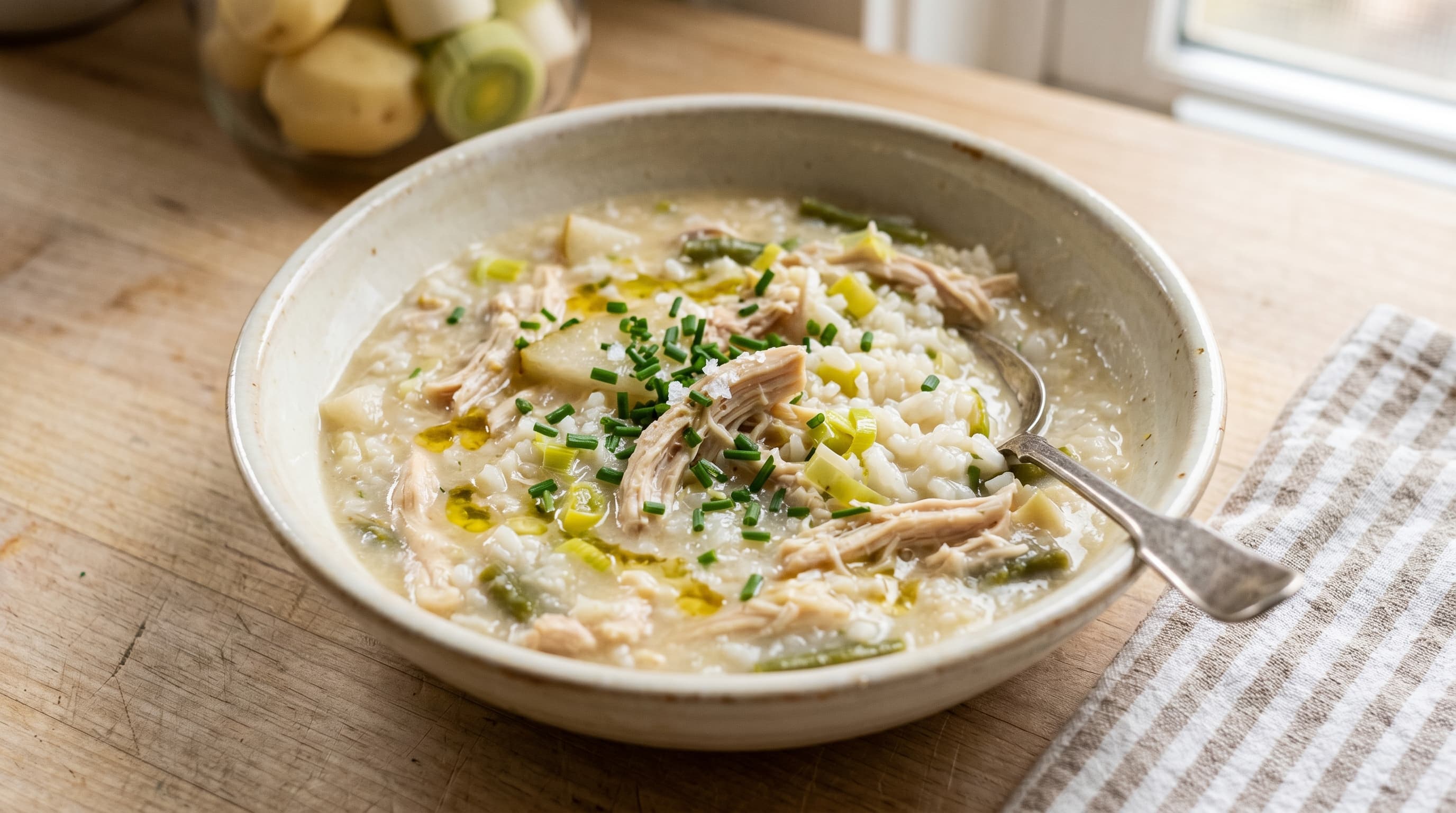
This is such a satisfying dish, and it's perfect for batch cooking! Our Creamy Chicken & Rice Bowl brings together tender chicken, fragrant garlic-infused rice, and crisp green beans. It's an American-style dish with a nod to Mediterranean principles, focusing on wholesome, low salicylate ingredients. You can cook a big batch of chicken and rice, then portion them out with the green beans for quick lunches or dinners throughout the week. It's simple, flavorful, and incredibly comforting.
Low Salicylate Fish, Leek & Potato Medley
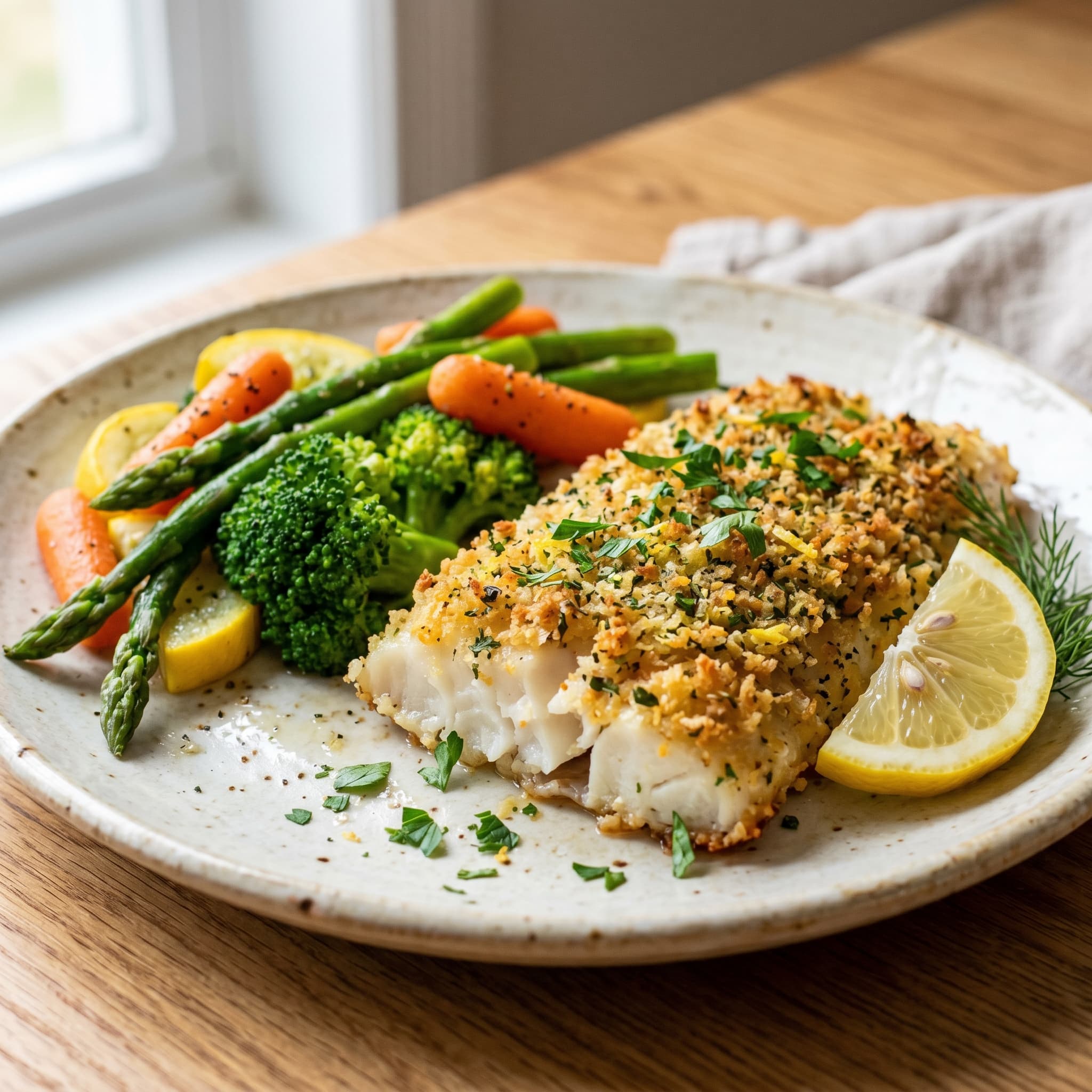
If you're a fan of fish, you'll love our Low Salicylate Fish, Leek & Potato Medley. This robust British-inspired dish features flaky white fish, tender peeled potatoes, and sweet leeks, all gently cooked with mild seasonings. It's a fantastic pescetarian option that's explicitly designed with low salicylate needs in mind. You can prep the potatoes and leeks in advance, and even cook the fish ahead of time to simply reheat and combine when you're ready to eat.
Creamy Leek and Potato Soup (Low Salicylate)
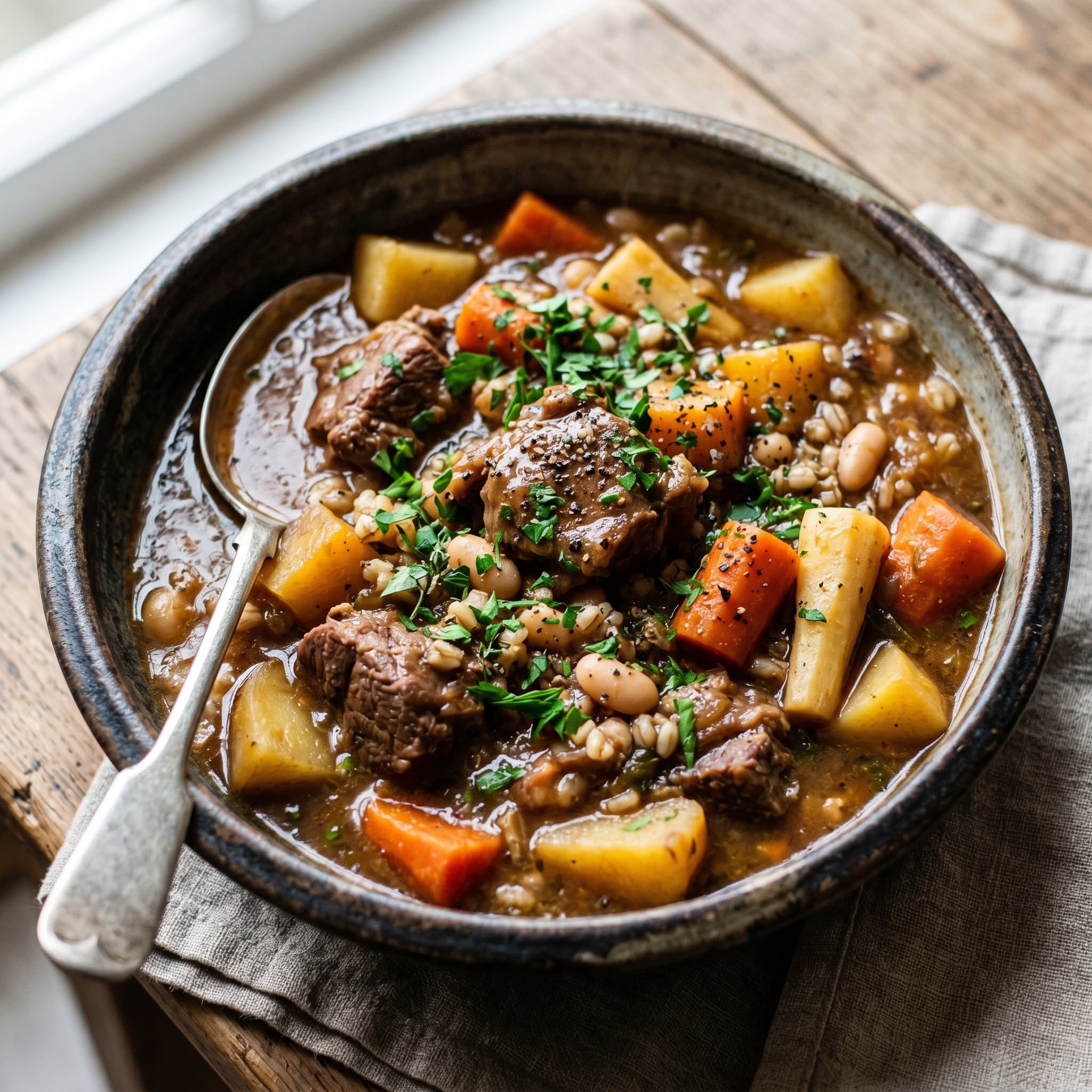
For something warm and soothing, our Creamy Leek and Potato Soup is a true gem. This comforting soup uses peeled leeks, potatoes, and rutabaga, simmered in a rich, creamy broth. We even poach haddock fillets right in the soup for extra protein! Remember our peeling and boiling strategy? This recipe incorporates that beautifully, making sure those vegetables are prepared in a way that's gentler on your system. It's wonderful to make a big pot of this and have it ready for cozy meals.
Your Action Plan: Making Low Salicylate Meal Prep a Breeze
Alright, you've got the knowledge, now let's put it into action! Meal prepping doesn't have to be a daunting task. It's about finding a rhythm that works for you and your low salicylate needs. Here are some practical steps to get you started:
Plan Ahead
Before you even step into the kitchen, take some time to plan your meals for the week. Look at your schedule, decide what you want to eat, and then create a grocery list. This helps you avoid last-minute choices that might not be suitable. I like to pick two or three main dishes that can be easily portioned.
Cook in Batches
Designate a few hours, maybe on a Sunday, for your main cooking session. This is where the magic happens! Cook larger quantities of grains like white rice, proteins like plain chicken or fish, and safe vegetables (using our peeling and boiling trick for those moderate ones). Having these components ready means you can mix and match throughout the week, creating different meals from the same basic building blocks. You'll find that many of the ingredients in our GentleFeast recipes can be prepped in bulk.
Track Your Journey
Salicylate sensitivity is incredibly personal, so keeping a food and symptom diary is invaluable. Jot down what you've eaten and how you feel afterward. This personal record will help you identify your individual thresholds and specific trigger foods, giving you even more confidence in your meal prep choices.
Consider a Systematic Reintroduction (With Guidance)
After an initial period of strict elimination, you might work with a healthcare professional to systematically reintroduce foods. This involves starting with very small amounts of low-to-moderate salicylate foods and carefully monitoring your symptoms. It's a journey of discovery, and having a plan, supported by your meal prep, can make it much smoother.
Remember, this information is for educational purposes only. Always consult a registered dietitian or healthcare provider before making significant dietary changes, especially if you have multiple food sensitivities or are on medications.
You've got this! Embracing low salicylate meal prep is a powerful step toward feeling better and enjoying your food again. It's about finding freedom within your dietary needs, not limitations. So, take a deep breath, pick one recipe from above, and get started. Even a small step makes a huge difference!