Understanding Salicylates: What They Are and How They Impact Your Body
Wondering what salicylates are and why they might be causing you trouble? I'll explain their effects and share practical tips for managing sensitivity, so you can start feeling better.
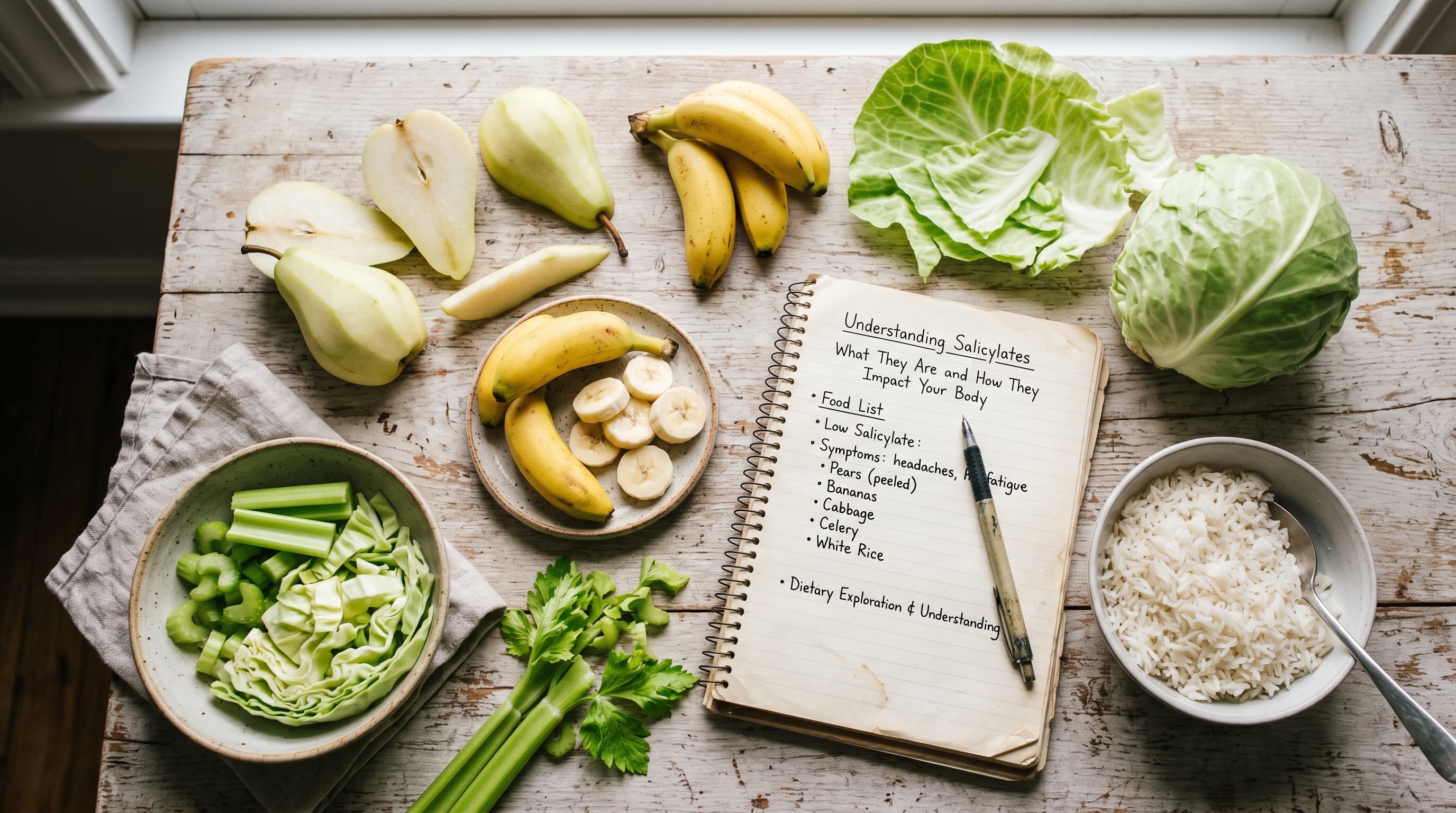
Understanding Salicylates: What They Are and How They Impact Your Body
Have you ever felt like certain foods just don't sit right with you, leaving you with uncomfortable symptoms that are hard to pinpoint? It's incredibly frustrating when you're trying to eat well, but your body seems to have other plans. I hear you, and I've been looking into one of those tricky culprits that might be behind some of your woes: salicylates.
You're not imagining things, and the good news is, understanding what salicylates are and how they affect your body is the first big step towards feeling better. Let's unravel this together, so you can start to feel more in control of your plate and your well-being.
What in the world are salicylates, anyway?
So, let's dive right in. What are these things we're talking about? Salicylates are actually pretty fascinating natural compounds that plants make, often described as phenolic compounds. Think of them as a plant's built-in defense system, like a natural shield against diseases, bacteria, fungi, and even hungry insects. Plants create them internally through a process called the 'shikimic acid pathway,' and they act as phytohormones, helping the plant trigger something called Systemic Acquired Resistance (SAR) to stay healthy and strong.
You might recognize the name 'salicylate' because it's closely related to aspirin, which is acetylsalicylic acid. While aspirin is a synthetic version, created by combining salicylic acid with acetic anhydride, natural salicylates in plants work in similar ways in our bodies. They both interact with the same inflammatory pathways, which is why aspirin is known for its pain-relieving and anti-inflammatory effects. The interesting thing is that while pharmaceutical aspirin is absorbed quickly for immediate effects, natural botanical salicylates are slower-acting but can provide prolonged analgesic and anti-inflammatory benefits.
Essentially, when you're enjoying fruits, vegetables, herbs, and spices, you're consuming foods rich in these plant protectors. For most people, this is totally fine, and even beneficial! These compounds are part of what makes plant-based foods so good for us. But for some of us, our bodies react a little differently, and that's where sensitivity comes in. It's not a flaw in you; it's just how your unique body processes certain compounds.
How salicylates can affect you
Now, here's where it gets personal. If you're sensitive to salicylates, your body might react to them as if they're a threat, even though they're natural and generally harmless for many. This isn't an allergy, which involves an immune system response, but more of an intolerance or sensitivity, meaning your body struggles to process or break them down properly. The effects can pop up in all sorts of ways, and it's often a bit of a mystery until you start connecting the dots between what you eat and how you feel.
I've heard from so many people who experience a wide range of symptoms, and it can feel incredibly bewildering. You might notice issues like:
- Digestive discomfort: This could be anything from a persistent tummy ache, bloating, excessive gas, or even changes in bowel habits, like diarrhea or constipation.
- Skin reactions: Hives, an unexplained rash, general itchiness, or flushed skin can sometimes be a sign. It's easy to dismiss these as unrelated, but they can definitely be part of a salicylate sensitivity picture.
- Respiratory troubles: Some folks experience chronic stuffy noses, sinus congestion, frequent sneezing, or even asthma-like symptoms, especially after eating certain foods.
- Neurological feelings: Headaches, migraines, brain fog, difficulty concentrating, or even a feeling of restlessness or irritability can be part of it. It can feel like your head just isn't quite clear.
- General malaise: Persistent fatigue, muscle aches, joint discomfort, or just feeling generally 'off' without a clear medical reason.
The science behind why this happens for sensitive individuals isn't fully pinned down for everyone, but we know that salicylates can interact with inflammatory pathways in your body, similar to how aspirin does. For someone with a sensitivity, this interaction can trigger an inflammatory response, leading to those uncomfortable symptoms. It's like your body's alarm system is a little too sensitive, ringing loudly even for amounts of these compounds that others might handle without a hitch. The research is still evolving, but we're learning more all the time about these complex interactions.
Navigating the salicylate landscape in your food
This is often the trickiest part, because salicylates are in so many healthy foods! It's not about 'bad' foods; it's about understanding which foods have higher concentrations and how your unique body responds to them. Thankfully, pioneers in this field, like the Royal Prince Alfred Hospital (RPAH) in Australia, have done extensive work classifying foods by their salicylate levels, which gives us a fantastic starting point.
It's not just what you eat, but also a few other factors that can significantly change how much salicylate is in your food:
- Plant variety and ripeness: Different types of the same fruit or vegetable can have varying levels. For example, some apple varieties are lower than others. Ripeness also plays a part; generally, less ripe fruits might have slightly different levels.
- Preparation: This is a big one and offers a lot of control! For instance, peeling fruits and vegetables can actually remove a good chunk of salicylates, since they tend to concentrate in the skin. Think about peeling cucumbers or apples. Drying foods, like making dried fruit or sun-dried tomatoes, can dramatically concentrate salicylates, making them much higher than their fresh counterparts. Cooking methods can also play a role, though peeling is often the most impactful step.
So, what does this look like on your plate? Let's break it down a bit. Generally, fruits, vegetables, herbs, and spices are your primary sources. But don't despair! The good news is, there are still plenty of delicious, low-salicylate options out there, and with a little creativity, you won't feel like you're missing out.
Here's a quick peek at some foods that tend to be lower in salicylates, which can form the foundation of your meals:
- Fruits: Perfectly ripe bananas, peeled pears (especially canned in syrup, as the peeling and processing reduce levels), and peeled golden delicious apples. Our German Baked Bananas with Creamy Rice Pudding recipe is a wonderful, gentle way to enjoy bananas in a safe and delicious dessert!
- Vegetables: Cabbage, celery, iceberg lettuce, peeled potatoes, rutabaga, and leeks. You'll find these stars shining in our Creamy Leek and Potato Soup, which is specifically designed to be gentle and nourishing for sensitive tummies.
- Grains: White rice, plain wheat pasta like fettuccine. Our Comforting Low Salicylate Fontina Fettuccine is a testament to how satisfying simple, safe meals can be, proving you don't have to give up comfort foods.
- Fats/Oils: Butter, sunflower oil. It's important to note that many common 'healthy' oils like olive oil are moderate to high in salicylates, so choosing carefully makes a difference.
- Proteins: Freshly prepared meats like plain chicken, beef, lamb, and especially fresh fish like haddock, which is a key ingredient in our Creamy Leek and Potato Soup.
- Dairy: Milk, cream, and certain cheeses like fontina.
And here are some foods that are typically higher in salicylates and might need to be limited or avoided if you're sensitive:
- Fruits: Most berries (strawberries, blueberries, raspberries), oranges, grapes, apricots, cherries, pineapple, most dried fruits.
- Vegetables: Broccoli, spinach, zucchini, tomatoes, cucumbers, peppers, sweet potatoes.
- Herbs and Spices: This is a big one! Turmeric, ginger, garlic, cinnamon, clove, rosemary, thyme, curry powder, paprika. Many powerful anti-inflammatory ones, interestingly enough, are high in salicylates, which is why it can be a balancing act for some.
- Nuts and Seeds: Almonds, cashews, walnuts, pistachios.
- Oils: Olive oil, coconut oil (these are generally moderate to high).
- Beverages: Coffee, most teas (especially black and herbal), fruit juices, wine.
- Miscellaneous: Honey, licorice, mint flavors, yeast extracts, food colorings.
It's quite a comprehensive list, isn't it? The key isn't to memorize every single item right away, but to get a feel for the general categories and understand that there's a spectrum of salicylate content, not just a simple 'yes' or 'no.' Your personal tolerance will also play a huge role.
Beyond food: Other salicylate sources to consider
It's not just what's on your plate that counts. Salicylates can sneak into your life in other ways too, and it's incredibly helpful to be aware of these 'hidden' sources, especially if you're very sensitive. The Royal Prince Alfred Hospital (RPAH) Allergy Unit has some great information on this, which can be a real eye-opener.
Here are some non-food items that can contain salicylates, which might be worth checking if you're experiencing persistent symptoms:
- Medications: Aspirin, of course, is the most well-known. But also look out for bismuth subsalicylate (found in some stomach remedies like Pepto-Bismol), and even some topical muscle rubs, pain creams, wart removers, and certain acne treatments. Always check the ingredients list or chat with your pharmacist.
- Personal Care Products: This category is surprisingly broad! Many perfumes and fragrances, shampoos with botanical or herbal extracts, mint-flavored toothpastes and mouthwashes, sunscreens, lipsticks, cosmetics, lotions with botanical ingredients, and essential oils can all contain salicylates. The 'natural' label doesn't always mean 'salicylate-free.'
- Household Products: Air fresheners, cleaning products with strong fragrances, scented laundry detergents, and fabric softeners can also be sources. If you're very sensitive, opting for unscented or 'free and clear' versions might make a difference.
It can feel a bit overwhelming to think about all these potential sources, but knowing is half the battle. If you're really struggling with symptoms even after carefully adjusting your diet, it might be worth taking a closer look at your everyday products too. Making small swaps in these areas can sometimes provide unexpected relief.
Finding your balance: Practical steps for a low-salicylate journey
Okay, so you've learned what salicylates are and how they can affect you. Now, let's talk about what you can do to find your personal comfort zone. The most common and effective way to figure out your individual salicylate tolerance is through a structured elimination diet. This isn't about deprivation; it's about listening intently to your body and becoming your own health detective, gathering clues to help you feel your best.
Here's how it generally works, and why it's such a powerful tool:
- Elimination Phase: For a specific period of time (usually 2-4 weeks, or until your symptoms significantly improve), you'll carefully remove all high and moderate salicylate foods, as well as those hidden sources we talked about. The idea is to give your body a real break, allowing salicylates to clear out of your system and for your symptoms to hopefully settle down. It's a chance for your body to hit the 'reset' button.
- Reintroduction Phase: Once you're feeling noticeably better, you'll slowly and systematically reintroduce salicylate-containing foods, one at a time, in increasing amounts. This is where you pay very close attention to your symptoms, keeping a detailed food and symptom journal. This careful process helps you figure out your personal tolerance levels. You might find you can handle small amounts of some moderate-salicylate foods, but not others, or that certain combinations are more problematic. It's truly a personalized experiment!
- Personalized Diet: Based on your reintroduction results and your journal, you'll then create a personalized, sustainable diet that minimizes your triggers while still being as varied, nutritious, and enjoyable as possible. The goal is to eat the broadest diet you can comfortably tolerate.
This journey is much easier, safer, and more successful with guidance. I can't stress enough how helpful it is to work with a registered dietitian or a healthcare provider who understands food intolerances. They can help you navigate the process, ensure you're getting enough nutrients, and make sure you're not missing any other potential triggers. They're like your personal guide through this dietary exploration. Remember, this information is for educational purposes only; it's not a substitute for professional medical advice.
The goal isn't to live in fear of food, but to find a way of eating that makes you feel consistently good and energized. It's about empowering yourself with knowledge and making informed choices that honor your unique body.
The good news: You're not alone and delicious food awaits!
I know this can feel like a lot to take in, and it's completely normal to feel a bit daunted when faced with so much information about what to avoid. But I want you to remember this: you're incredibly capable of understanding your body and making choices that truly support your well-being. This isn't a life sentence of bland food or constant worry; it's an exciting opportunity to discover new flavors, ingredients, and create meals that genuinely nourish you, without the discomfort.
The good news is, there are so many delicious, gentle recipes out there waiting for you, designed with your comfort in mind. Just look at our Creamy Leek and Potato Soup, or the delightful German Baked Bananas with Creamy Rice Pudding, or even our Comforting Low Salicylate Fontina Fettuccine — they're all proof that 'low salicylate' absolutely doesn't mean 'low flavor.' Your journey towards understanding salicylates is a powerful step towards a happier, healthier you. Why not start today by exploring one of our gentle, low-salicylate recipes and seeing how good mindful, gentle eating can feel?