Mediterranean Diet, Low Histamine Style: Adapting Classic Recipes for Tolerance & Taste
Discover how to adapt the vibrant Mediterranean diet to be low in histamine without sacrificing flavor or enjoyment. I'll show you smart swaps and fresh strategies to create delicious, body-friendly meals.
Mediterranean Diet, Low Histamine Style: Adapting Classic Recipes for Tolerance & Taste
It can feel pretty disheartening when you're trying to embrace a healthy lifestyle, like the beautiful Mediterranean diet, but then your body sends you signals that something just isn't right. Maybe you've experienced headaches, skin issues, or digestive upset after enjoying what you thought were wholesome, traditional Mediterranean foods.
You're not alone in this struggle, and I totally get how frustrating it can be to navigate food sensitivities. The good news is, you absolutely don't have to give up on the Mediterranean way of eating just because you're dealing with histamine intolerance. We can adapt it beautifully!
Let's dive into how we can tweak those beloved Mediterranean flavors to create meals that are both delicious and gentle on your system.
Understanding Histamine Intolerance and the Mediterranean Diet
First off, let's talk about histamine. It's a natural compound found in many foods, and it's also produced by our bodies. For most people, their bodies just break down histamine without a second thought. But if you have histamine intolerance, your body might not have enough of the enzymes needed to process it efficiently.
This can lead to a build-up of histamine, causing all sorts of uncomfortable symptoms. Things like flushing, headaches, hives, digestive issues, or even a racing heart can pop up. It's a tricky one because symptoms can vary so much from person to person.
Now, let's look at the Mediterranean diet. It's celebrated worldwide for its focus on fresh, whole foods: lots of fruits, vegetables, whole grains, legumes, healthy fats like extra virgin olive oil, and lean proteins like fish and poultry. This way of eating is incredibly anti-inflammatory and supportive of overall health. Research out of institutions like Monash University often highlights its benefits, even when adapted for various sensitivities.
The beauty of the Mediterranean diet is its inherent emphasis on fresh, seasonal ingredients. This core principle is *actually* a huge advantage when you're navigating histamine intolerance. It means we're already starting from a fantastic place!
The Mediterranean Staples That Need a Little Nudge
While the Mediterranean diet is fantastic, some of its traditional elements can be higher in histamine due to fermentation, aging, or curing processes. These are the foods we'll want to be mindful of and consider swapping out:
- Aged Cheeses: Think Parmesan, feta, or mature cheddar. They're delicious, but the aging process increases histamine.
- Cured Meats: Prosciutto, salami, and other cured sausages are a no-go for sensitive folks.
- Fermented Foods: Traditional olives, vinegar (especially balsamic or red wine vinegar), and sometimes even sauerkraut or kombucha (though less common in classic Mediterranean fare) can be problematic.
- Canned or Smoked Fish: While fresh fish is a star, canned tuna or smoked salmon can be high in histamine.
- Tomatoes and Eggplant: These are nightshade vegetables that can be higher in histamine for some individuals, especially tomatoes in concentrated forms like paste or sauces.
- Leftovers: Histamine levels can increase in food the longer it sits, even in the fridge. Fresh is always best!
Don't worry, we're not saying goodbye to flavor! We're just finding new ways to get there.
Smart Swaps: How to Keep the Flavor, Ditch the Histamine
Here's where the fun begins! Adapting your favorite Mediterranean dishes for a low-histamine approach is all about clever substitutions that keep the spirit and taste alive. Let me show you some simple swaps that make a big difference, drawing on insights from research into dietary adaptations:
For Dairy & Protein:
- Instead of aged cheeses: Reach for fresh mozzarella, ricotta, or cream cheese. These fresh, unaged options are typically much lower in histamine.
- Instead of cured meats: Opt for freshly cooked chicken, turkey, or even lean cuts of lamb or beef.
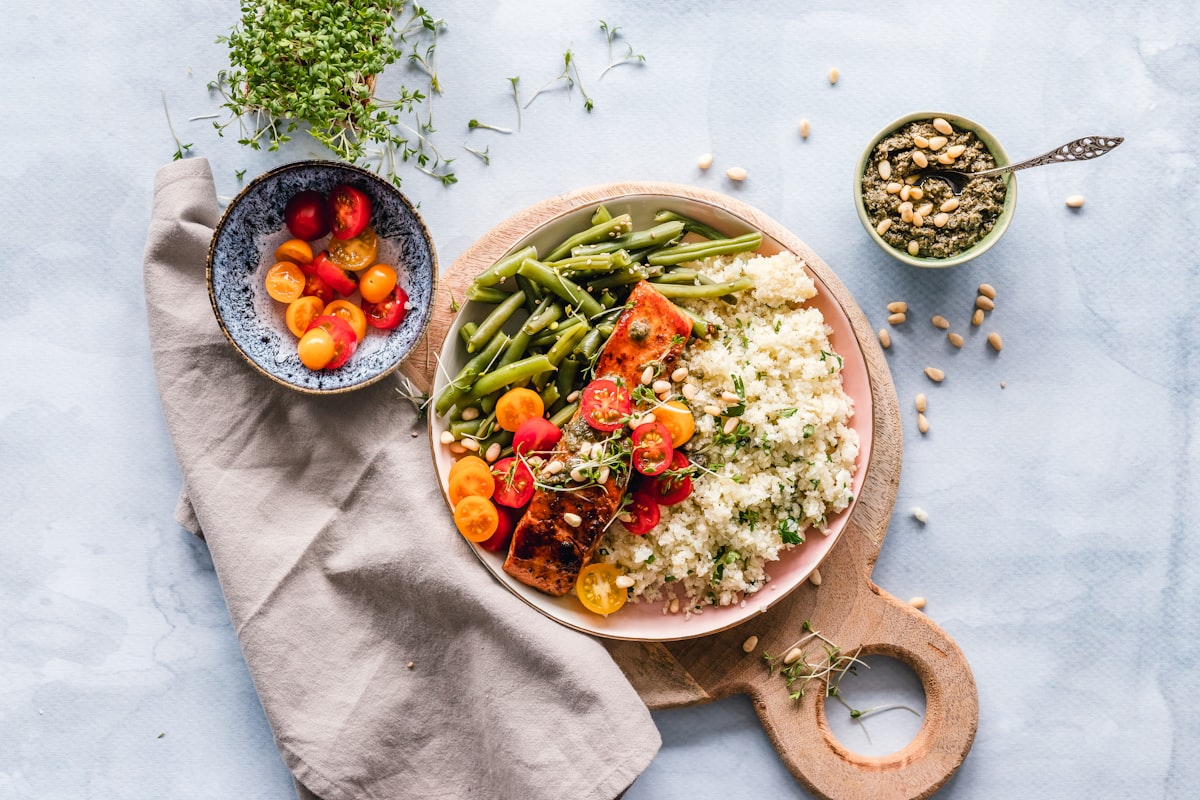
- Instead of canned or smoked fish: Focus on fresh-caught fish, like cod, snapper, or wild salmon. Cook it the same day you buy it, or use flash-frozen fish that you thaw and cook immediately.
For Sauces & Flavor:
- Instead of tomato-based sauces: Try making sauces from roasted red peppers, pumpkin, or a fresh pesto (just be sure it's made without aged cheese). You'd be surprised how rich and flavorful these can be!
- Instead of vinegar-based dressings: Lemon or lime juice are your best friends for bright, tangy dressings. Extra virgin olive oil, herbs, and a squeeze of citrus are all you need.
- Instead of fermented olives: While some can tolerate a tiny bit, it's often best to swap them out for fresh herbs like parsley, mint, or oregano, or even a few capers (in small amounts).
- Instead of eggplant: Zucchini, yellow squash, or bell peppers make fantastic, versatile substitutes in many dishes, as they're generally well-tolerated and anti-inflammatory for most people.
For Drinks:
- Instead of red wine: If you enjoy the flavor, fresh grape juice can offer a similar fruity note, or simply stick to water infused with fresh fruits and herbs.
See? It's all about making informed choices that align with your body's needs without sacrificing the joy of eating.
Freshness Is Your Best Friend: A Core Mediterranean Principle
One of the most powerful strategies for a low-histamine diet is embracing freshness. This is already a cornerstone of the traditional Mediterranean diet! As research from sources like Monash University points out, the Mediterranean emphasis on fresh, local, seasonal ingredients naturally aligns with low-histamine eating.
The key here is understanding that histamine levels in food tend to increase over time, especially when food isn't stored properly or if it's been sitting around for a while. So, making freshness a priority means:
- Buying local and seasonal: When produce travels less and is picked at its peak, it's often fresher.
- Cooking soon after purchasing: Try to cook fish and meats the day you buy them, or freeze them immediately.
- Eating meals right away: While meal prepping is convenient, for histamine intolerance, it's often better to cook in smaller batches and enjoy your food freshly prepared. If you do make leftovers, freeze them immediately in single portions.
- Prioritizing quick cooking methods: Grilling, steaming, or sautéing quickly helps preserve freshness.
This approach doesn't just help with histamine; it also means you're getting the most vibrant flavors and nutrients from your food.
Crafting Delicious Low-Histamine Mediterranean Meals
So, what does a low-histamine Mediterranean plate actually look like? It's vibrant, colorful, and full of flavor! Let's think about how you can build meals around these principles.
Breakfast Ideas:
- Fresh Ricotta Toast: Spread fresh ricotta cheese on a slice of sourdough bread (fermentation can reduce fructans, making it a good choice for some, but check your individual tolerance for fermented goods). Drizzle with a little honey and sprinkle with pine nuts.
- Quinoa Bowl: Our Low-Histamine Mediterranean Quinoa Bowl is a fantastic option! It combines quinoa with fresh mint, parsley, cucumber, bell pepper, avocado, and a lemon-olive oil dressing. It's packed with plant-based protein and healthy fats to start your day right.
Lunch & Dinner Ideas:
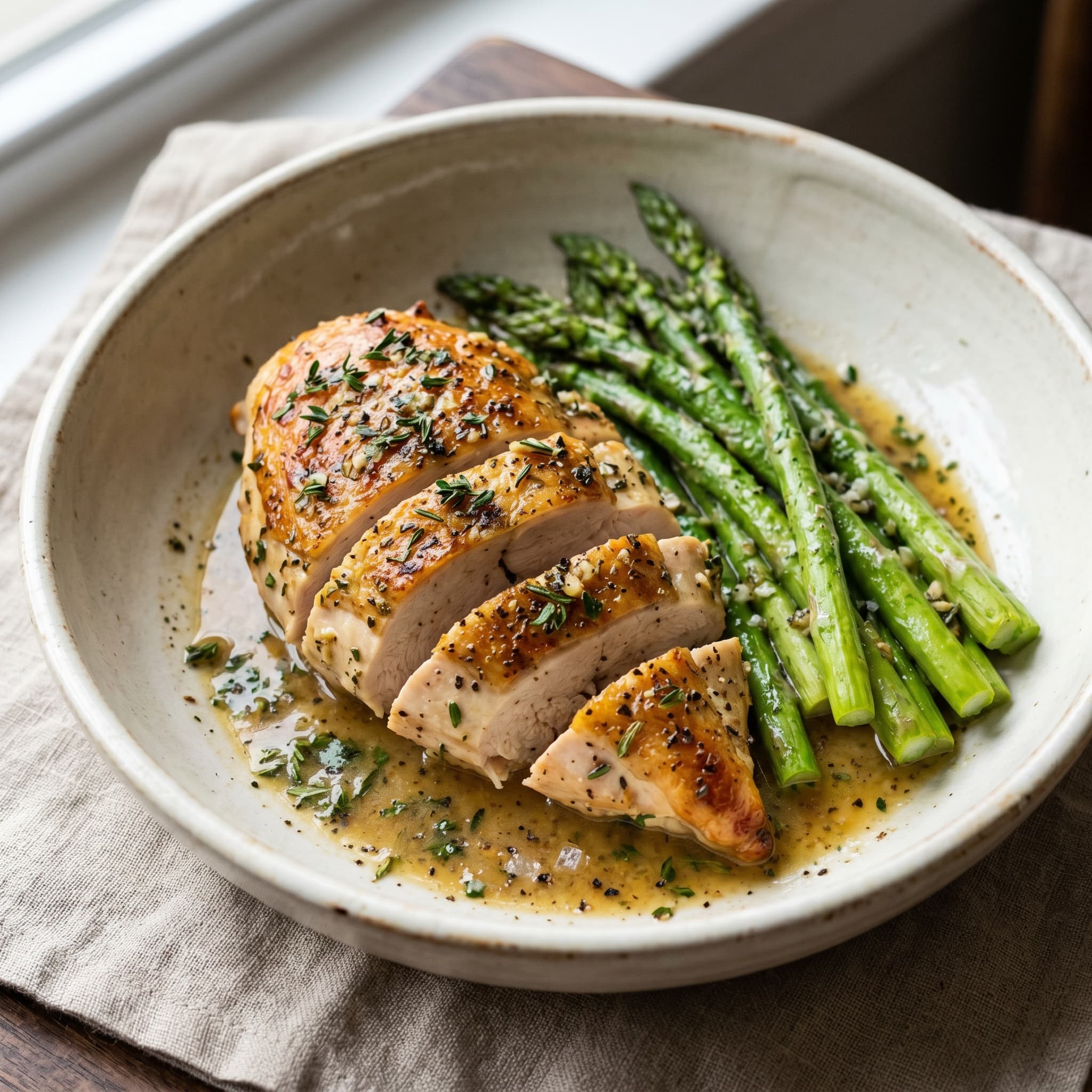
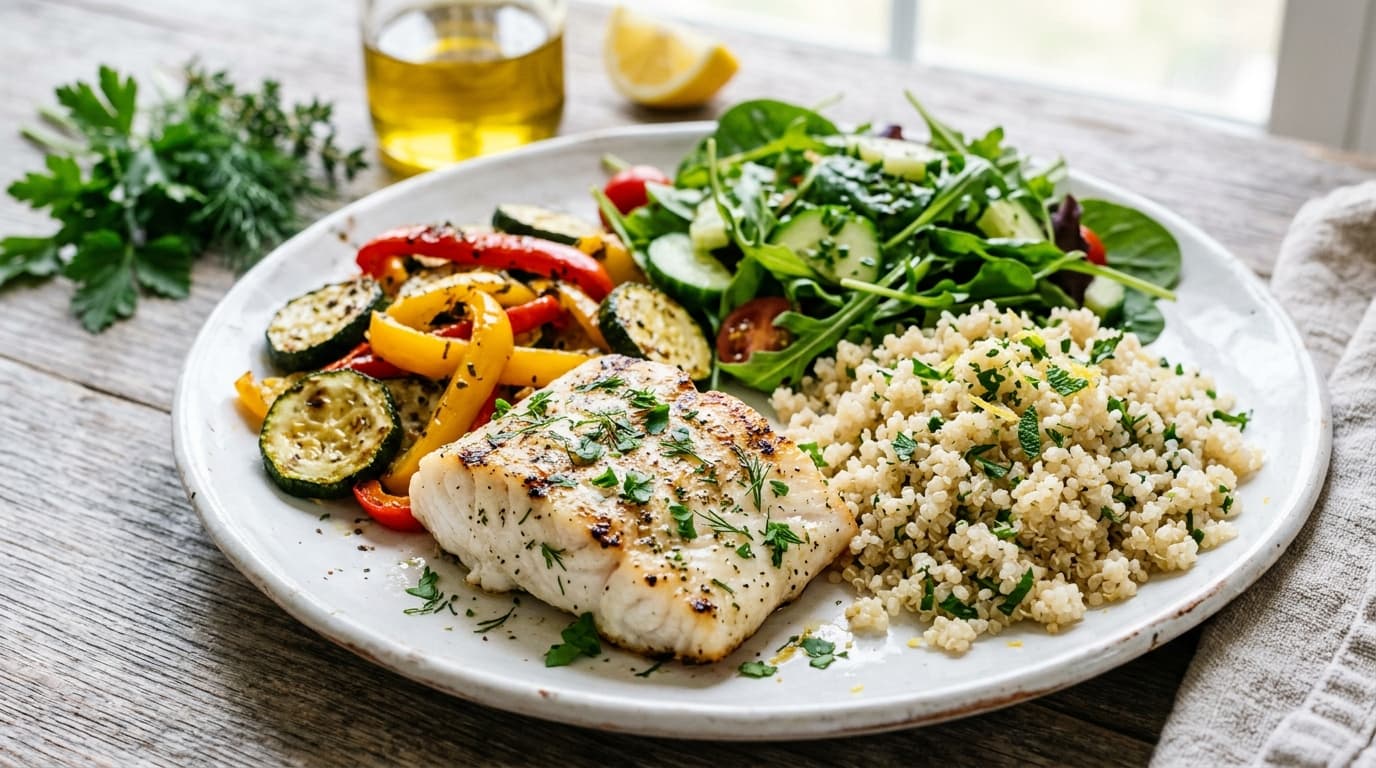
- Grilled Fish with Roasted Veggies: Imagine a beautifully grilled piece of fresh cod or salmon, seasoned simply with lemon, fresh herbs, and extra virgin olive oil. Serve it alongside roasted zucchini, bell peppers, and carrots.
- Chicken and Root Vegetable Medley: Pan-seared chicken breast with a colorful mix of roasted root vegetables like potatoes, parsnips, and turnips, all tossed with fresh rosemary and thyme.
- Hearty Stew: Our Low-Histamine Mediterranean Vegetable and Chickpea Stew is a wonderful example. It uses chickpeas, zucchini, bell pepper, and carrots. Instead of traditional onion and garlic (which can be high in histamine and sulfur for some), it brilliantly incorporates asafoetida powder, which gives that savory, allium-like depth without the histamine. This recipe is a perfect illustration of how to adapt!
- Fresh Salads: Think big, leafy green salads with romaine, butterhead, or arugula. Add sliced cucumber, bell peppers, and grilled chicken or fresh fish. Dress simply with lemon juice and extra virgin olive oil.
Snacks & Beverages:
- Fresh Fruit: Apples, pears, melon, grapes, strawberries, and kiwi are generally well-tolerated.
- Nuts & Seeds: Macadamia nuts, pumpkin seeds, and sunflower seeds are good choices.
- Homemade Milk: Our Homemade Low-Histamine Hazelnut Milk is a creamy, dairy-free alternative that's perfect for sipping or adding to recipes. It's easy to make and you control the ingredients!
Remember, the goal isn't perfection, but progress and finding what feels good for *your* body. You're building a new way of eating that truly nourishes you.
Your Kitchen, Your Sanctuary: Practical Takeaways
Embracing a low-histamine Mediterranean lifestyle doesn't have to be overwhelming. Here are a few practical tips to help you make your kitchen a space where you feel safe and nourished:
- Prioritize Freshness: Always choose the freshest ingredients you can find, especially for fish and meat. Cook them promptly.
- Read Labels Carefully: Keep an eye out for hidden vinegars, fermented ingredients, or aged components in processed foods, even in seemingly healthy options.
- Become a Master of Herbs & Spices: Fresh herbs like basil, oregano, parsley, and rosemary, along with spices like turmeric (as seen in our stew recipe), ginger, and asafoetida, are incredible flavor enhancers that are naturally low in histamine.
- Embrace Lemon & Lime: These citrus powerhouses will become your go-to for dressings, marinades, and adding a bright finish to almost any dish.
- Batch Cook Strategically: If you do batch cook, freeze portions immediately after cooking to lock in freshness and minimize histamine development. Thaw and reheat just before eating.
- Experiment with Substitutions: Don't be afraid to try the swaps we've discussed. You might discover new favorite flavors!
I know it can feel like a lot to learn, but with each small step, you're becoming more attuned to your body and creating meals that truly support your well-being. Think of this as an exciting culinary adventure!
You've got this. Start by picking just one new low-histamine Mediterranean swap to try this week, maybe that delicious roasted red pepper sauce. You'll be amazed at how wonderful and flavorful your meals can still be.