Navigating Restaurants: A GentleFeast Guide To Dining Out With Histamine Intolerance
Dining out with histamine intolerance can feel daunting, but it doesn't have to be! I'll show you how to confidently navigate restaurant menus, ask the right questions, and choose safe options so you can enjoy meals out again.
Navigating restaurants: A GentleFeast guide to dining out with histamine intolerance
Oh, the joy of a spontaneous dinner out! Or even a planned one with friends and family. But for those of us managing histamine intolerance, that joy can sometimes feel overshadowed by anxiety. You're probably wondering, Can I really enjoy eating out with histamine intolerance without feeling awful later? I hear you, and I've been there too.
It's completely understandable to feel overwhelmed when faced with a restaurant menu, trying to decipher what might be safe and what might trigger symptoms. The good news is, with a little preparation and some helpful strategies, you absolutely *can* reclaim the pleasure of dining out. Let's dive in and make those restaurant adventures feel fun again!
Understanding histamine: It's not just about the food itself
Before we talk about specific dishes, let's quickly chat about what histamine intolerance actually means, because it's super helpful when you're trying to make choices at a restaurant. You see, histamine is a natural compound that plays a role in lots of bodily functions, including your immune system. We all have it, and we all produce enzymes to break it down. But for some of us, those enzymes aren't quite as efficient, or we're getting too much histamine from our food, and it builds up. That's when symptoms like headaches, tummy troubles, or skin flushing can kick in.
The key thing to remember when you're eating out is that histamine levels in food aren't fixed. They can increase with:
- Aging and fermentation: Think aged cheeses, cured meats, fermented soy products like soy sauce or miso, and alcoholic beverages like wine and beer.
- Lack of freshness: This is a big one! Histamine levels can rise rapidly in foods, especially fish and meat, the longer they sit after being caught or prepared. Even leftovers can be tricky.
- Certain food additives: Sometimes what's *added* to food can be a concern.
So, it's not just about avoiding a static list of 'high-histamine' foods, but also about considering how fresh and how prepared your meal is. This insight is *so* empowering when you're looking at a menu!
Your secret weapon: Asking the right questions
When you're eating out with histamine intolerance, communication is your best friend. Don't be shy about asking your server or even the chef a few polite questions. They're there to help you have a great dining experience! Here are some questions I've found really useful:
- "Is this fish or meat fresh, or was it previously frozen and thawed?" (Frozen then freshly thawed and cooked is usually fine, but if it's been sitting thawed for a while, that's a different story.)
- "Can I get this dish without the sauce or dressing?" Sauces often contain ingredients like vinegar, soy sauce, or spices that can be higher in histamine or trigger sensitivities.
- "Are there any fermented ingredients in this?" This covers things like soy sauce, miso, aged cheeses, or even certain pickling processes.
- "Could you tell me if this is cooked with fresh ingredients, or if it's been prepared in advance?"
Remember, you don't need to give them your whole medical history. A simple explanation like, "I have some food sensitivities, so I need to be careful with certain ingredients and freshness," usually does the trick. Most restaurants are incredibly accommodating once they understand your needs.
Choosing your dining destination: Easier and trickier cuisines
Some cuisines naturally lend themselves better to low-histamine eating than others, which can be a great starting point when you're planning to go out. Let's look at some types of restaurants where you might feel more comfortable and some that require a bit more navigation.
Cuisines that often work well for histamine intolerance:
- Farm-to-table restaurants: These places often pride themselves on using incredibly fresh, locally sourced ingredients, which is fantastic for managing histamine levels. Their focus is on simple, quality preparation.
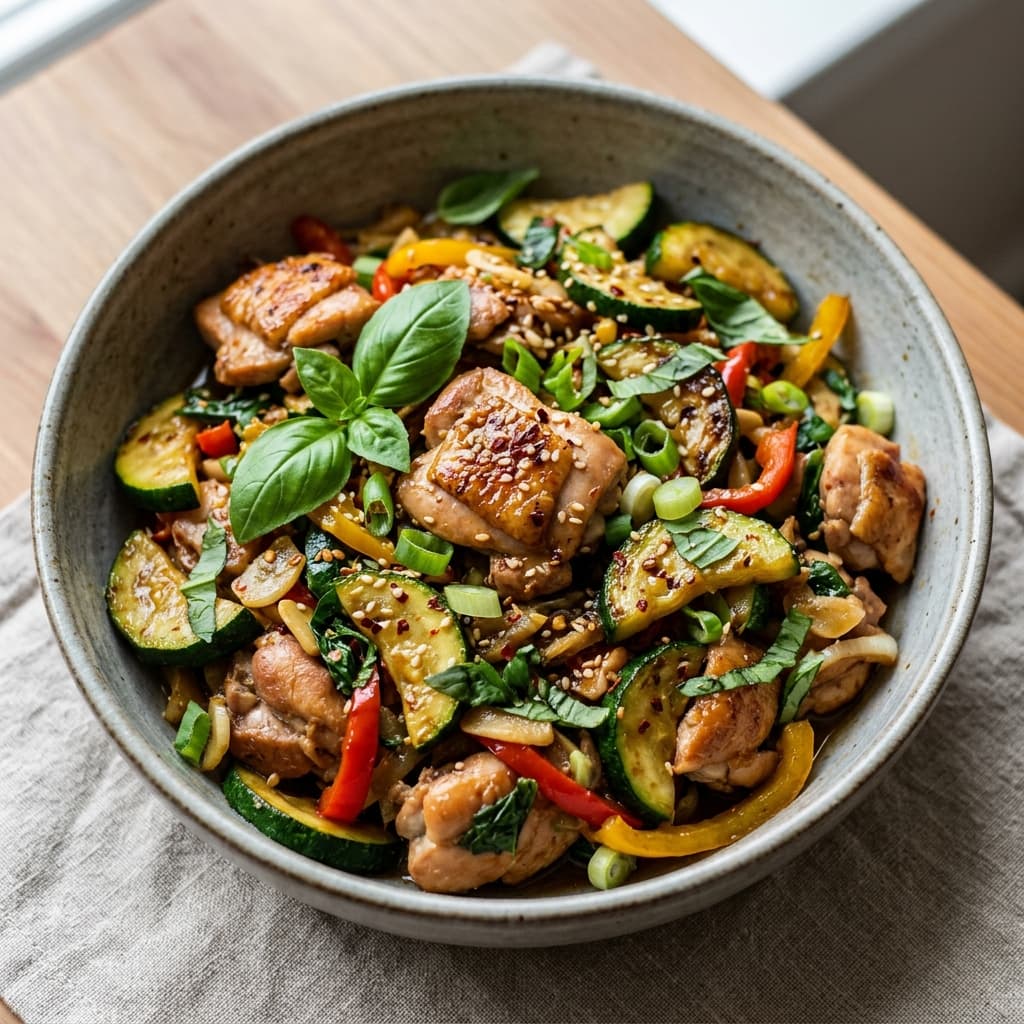
- Japanese cuisine (with caveats): Think about fresh sushi or sashimi (if you know the fish is very fresh), simple grilled proteins, or clear broths. You'll want to avoid soy sauce (it's fermented!), miso, and anything aged. Our Soothing Low Histamine Tofu & Vegetable Broth with Rice or Vibrant Low-Histamine Vegetable Stir-fry are great examples of this fresh, simple approach.
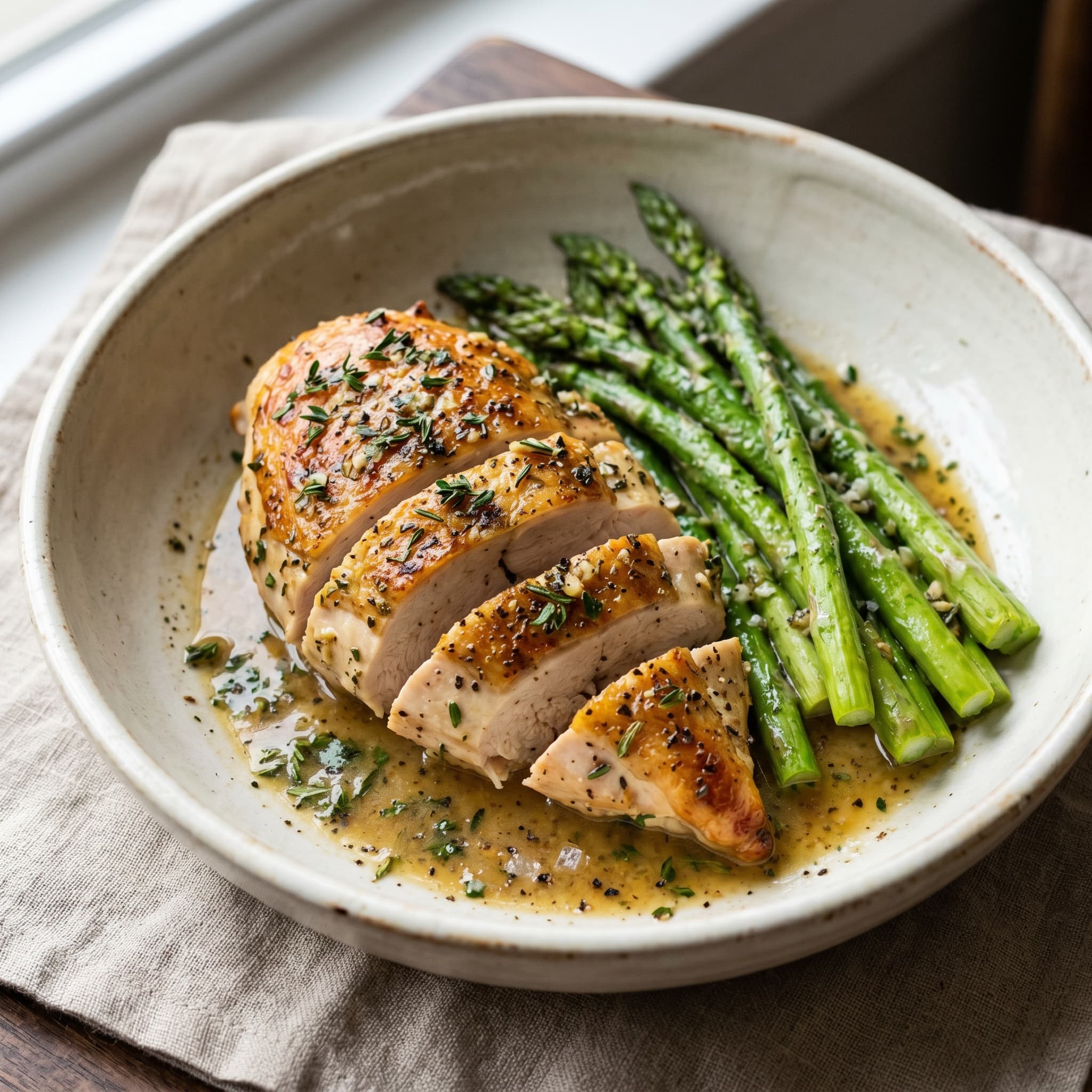
- Mediterranean cuisine: This style often features grilled meats, plenty of fresh vegetables, and olive oil. Just be mindful of tomatoes (especially cooked ones), aged cheeses, and certain cured olives. Focus on things like fresh grilled chicken or fish with a side of steamed veggies.
Cuisines that can be trickier for histamine intolerance:
- Italian: Aged cheeses (Parmesan!), tomatoes (especially in long-simmered sauces), cured meats (salami, pepperoni), and wine-based sauces can all be histamine triggers.
- French: Similar to Italian, French cuisine often uses wine in sauces, aged cheeses, and sometimes longer cooking methods that can increase histamine.
- Korean/Chinese: These cuisines frequently rely on fermented sauces (soy sauce, gochujang, bean paste), preserved ingredients, and sometimes long-simmered broths, which can be challenging.
This isn't to say you can *never* enjoy these cuisines, but you'll definitely need to be more diligent with your questions and modifications.
Practical takeaways for a successful dining experience
Okay, so you've got the knowledge, now let's talk strategy! Here's how you can make eating out with histamine intolerance a much smoother and more enjoyable experience:
-
Plan ahead when you can
If it's a planned outing, do a little research. Look at menus online, or even call the restaurant during off-peak hours to chat with someone about your needs. This can save you a lot of stress when you arrive.
-
Focus on simple, fresh ingredients
When you're looking at the menu, gravitate towards dishes with minimal ingredients and simple preparation methods. Think:
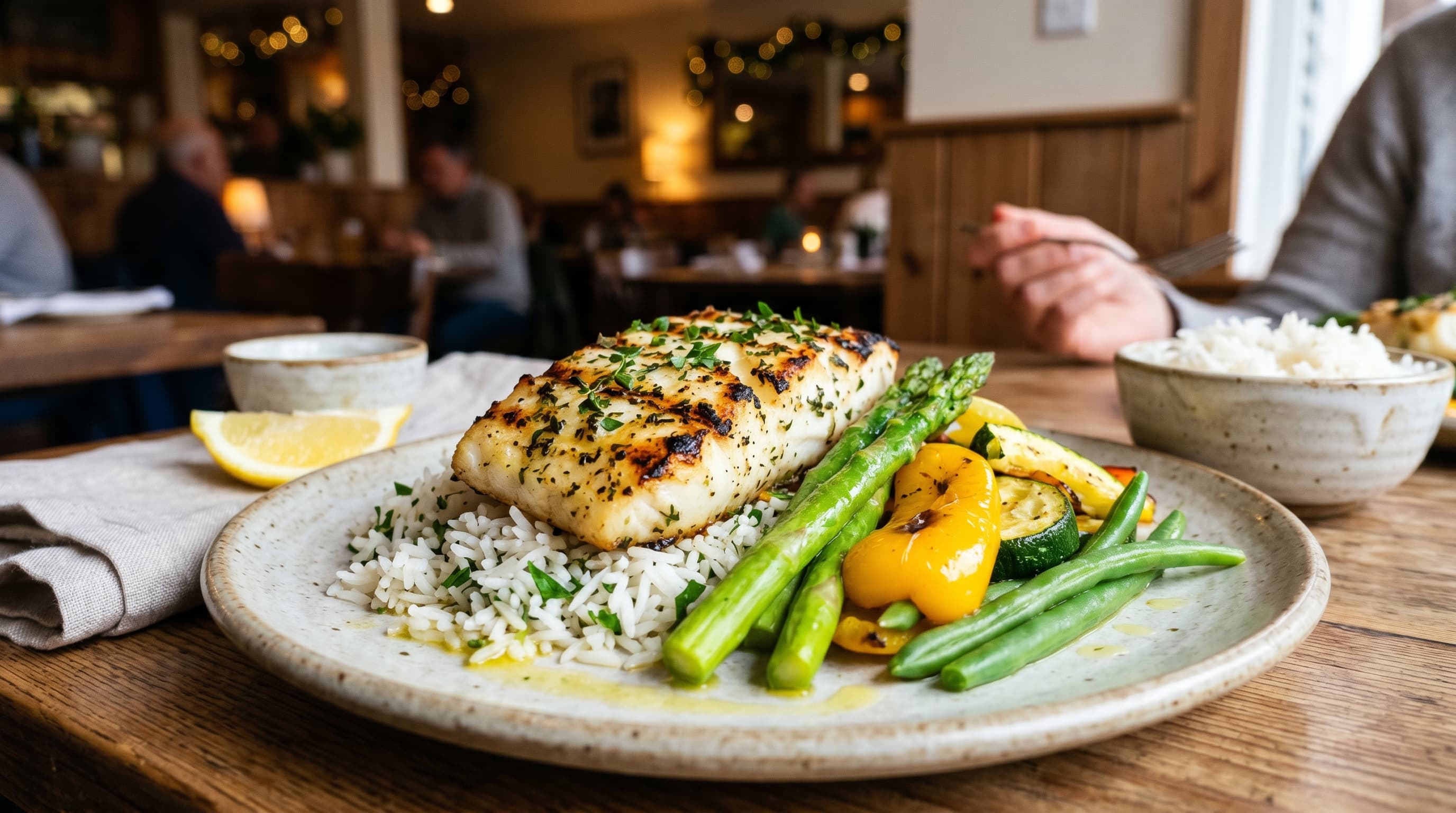
- Grilled or roasted fresh meat (chicken, turkey, lamb) or fish (white fish like cod, sole, snapper)
- Steamed or lightly sautéed fresh vegetables (broccoli, carrots, zucchini, bell peppers)
- Plain rice or potatoes
- Salads with just olive oil and fresh lemon juice (no vinegar, no bottled dressings)
Our Herbed Rice Patties with Fresh Fruit Salad recipe is a great example of how simple, fresh ingredients can make a satisfying meal.
-
Be specific with your requests
It's okay to ask for modifications! For example:
- "Could I have the grilled chicken with just olive oil and salt, and steamed broccoli on the side?"
- "Please hold the sauce and dressing; I'll just have olive oil and lemon."
- "No cheese, please."
-
Consider bringing your own "extras"
Sometimes, I'll discreetly bring a small container of my own safe olive oil and lemon juice for a salad dressing, or even a sprinkle of my preferred herbs. It just adds that little bit of comfort and control.
-
Don't arrive starving
If you're really hungry, you might be tempted to make choices you'll regret later. Having a small, safe snack before you go out can help you make more mindful decisions at the restaurant.
-
Manage social situations gracefully
When dining with others, you don't need to give a lengthy explanation. A simple, "I have some food sensitivities, so I'm just being careful with what I eat tonight," is usually enough. Most people understand, especially if you compare it to something like lactose intolerance. And remember, it's okay to politely decline certain foods or drinks. Your well-being comes first!
When symptoms strike: What to do
Even with the best planning, sometimes things don't go perfectly, and you might experience symptoms. It happens, and it's not your fault! If you do feel symptoms coming on, remember that they usually resolve within 4-24 hours. Here's what can help in the meantime:
- Hydrate, hydrate, hydrate: Drink plenty of water.
- Rest: If you can, lie down in a cool, dark room, especially if you're experiencing a headache.
- Cool compress: For flushing or skin symptoms, a cool compress can be really soothing.
- Consider supportive supplements: Some people find supplements like Vitamin C, Quercetin (a natural mast cell stabilizer), or DAO enzymes (taken before a meal) helpful. *Always chat with your doctor or a qualified healthcare professional before adding any new supplements to your routine.*
- Keep a symptom diary: This can be incredibly helpful for learning your personal triggers. Note what you ate, how fresh it seemed, your stress levels, and how you slept. Over time, you'll start to see patterns emerge.
Your healing journey continues: It gets better!
Living with histamine intolerance is a journey, and learning to navigate eating out is a big part of it. It can feel like a lot to manage at first, but I promise you, it gets easier and more intuitive over time. You're learning so much about your body and what makes it feel good!
Don't let histamine intolerance steal the joy of sharing a meal with loved ones or exploring new flavors. With these strategies, you're not just managing a diet; you're empowering yourself to live a full and vibrant life, one delicious, safe meal at a time. So, go ahead and confidently make that dinner reservation. You've got this!