Sauce Savvy: Delicious Low Histamine Alternatives for Your Favorite Condiments and Dressings
Navigating histamine intolerance can make meals bland, especially when your favorite sauces are off-limits. But I'm here to show you how to craft delicious, low histamine alternatives for all your go-to condiments and dressings.
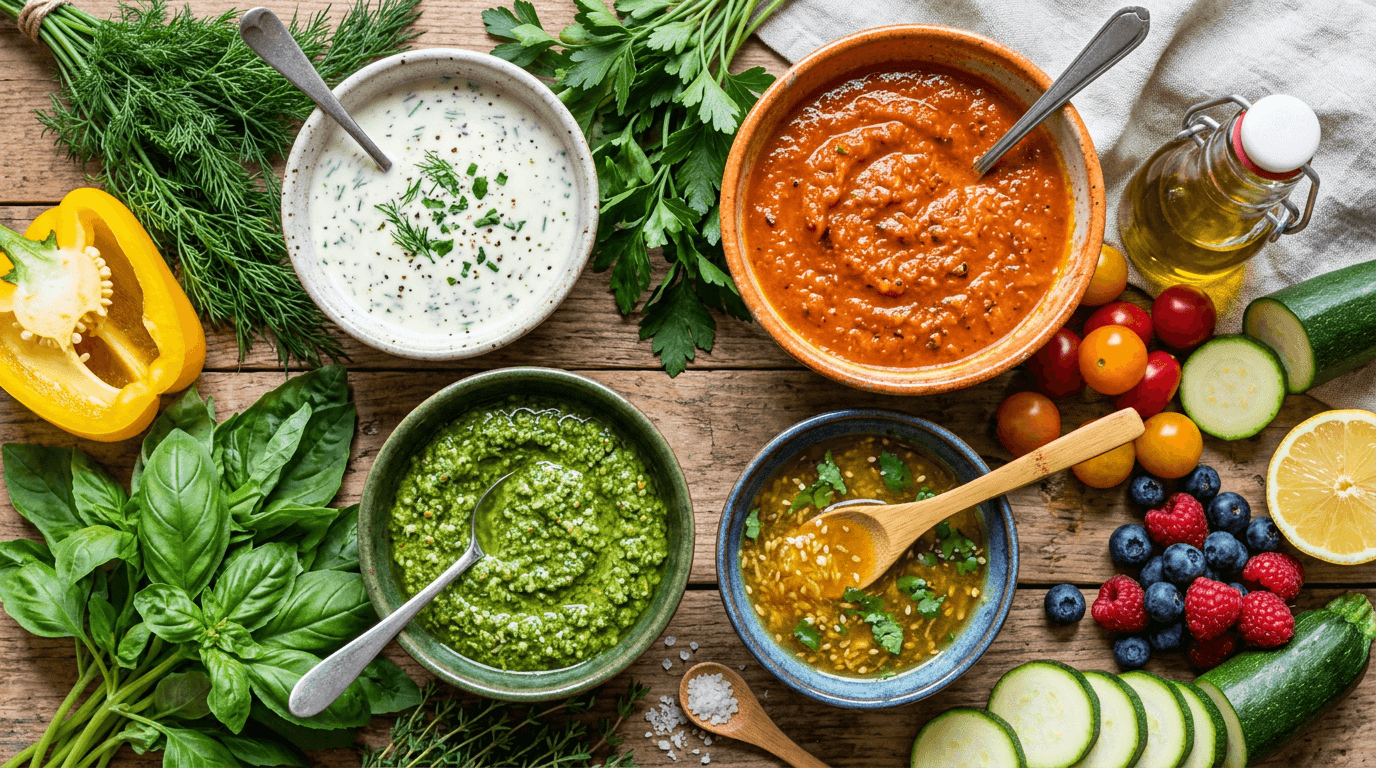
Sauce Savvy: Delicious Low Histamine Alternatives for Your Favorite Condiments and Dressings
Oh, the joy of a flavorful sauce! I know firsthand how frustrating it can be when you're navigating food sensitivities, especially histamine intolerance, and suddenly all your go-to condiments feel off-limits. It's like a culinary hug has been snatched away, leaving your meals feeling a little... naked. But I've got some wonderfully good news for you: you absolutely don't have to sacrifice flavor! We're going to dive into the world of low histamine sauces, dressings, and marinades, and I'm going to show you how to bring that zest back to your plate.
Why Sauces Can Be Tricky for Histamine Intolerance
If you're dealing with histamine intolerance, you're probably already familiar with how certain foods can trigger uncomfortable symptoms. Histamine is a natural compound, and while our bodies produce an enzyme called diamine oxidase (DAO) to break it down, sometimes that enzyme doesn't work as effectively as it should, or we simply consume too much histamine for our bodies to handle. This is where sauces often become a sneaky culprit.
Many traditional sauces are packed with ingredients that are either naturally high in histamine or encourage its production. Think about it: fermentation is a big one. Soy sauce, aged vinegars like balsamic or red wine vinegar, and even some mustards can be problematic. Tomatoes, a staple in so many sauces, are also a known histamine liberator for many. Then there are the hidden ingredients – yeast extract, certain spices, or even citric acid derived from fermented sources can add to the load. It's a lot to keep track of, and it can make mealtime feel like a minefield. But don't worry, we're going to clear a path together!
Your Low Histamine Sauce Toolkit: Essential Ingredients
The secret to delicious low histamine sauces isn't about deprivation; it's about smart substitutions and celebrating fresh, vibrant ingredients. Let's stock your pantry with some wonderful building blocks that'll make creating your own flavorful concoctions a breeze.
- Fresh Herbs: These are your absolute best friends! Basil, oregano, thyme, rosemary, parsley, cilantro, dill, and chives add incredible depth without any histamine worries. They're fantastic for pestos, dressings, and garnishes.
- Gentle Vinegars: Apple cider vinegar (especially raw, unfiltered with the 'mother') and rice vinegar are generally well-tolerated. Always check labels for added ingredients in rice vinegar, and ensure your ACV is fresh, as even safe ingredients can accumulate histamines over time.
- Healthy Fats: Extra virgin olive oil, avocado oil, and coconut oil are wonderful bases for dressings and cooking. They provide richness and help carry flavors beautifully.
- Sweeteners (in moderation): Maple syrup, honey, and date paste can add a touch of sweetness to balance flavors. Always opt for natural, unprocessed options.
- Aromatic Veggies: Garlic and onion (in powder or fresh form, depending on tolerance) are fantastic for building flavor. Fresh ginger and turmeric are also excellent additions for their warmth and potential anti-inflammatory properties.
- Coconut Aminos: This is a game-changer for anyone missing soy sauce! It's made from coconut sap, is naturally low in histamine, and offers that savory, umami punch you crave in Asian-inspired dishes.
- Thickeners: Arrowroot powder or tapioca starch can help achieve a lovely consistency in cooked sauces without adding unwanted ingredients.
- Fresh Broths: Homemade vegetable or chicken broth (made without yeast extract or high histamine ingredients) is perfect for adding body and flavor to cooking sauces.
The key here is *freshness*. Using ingredients soon after purchase and making your sauces from scratch ensures you're minimizing histamine accumulation. It's a little extra effort, but your body (and your taste buds!) will thank you.
Crafting Creamy & Dreamy Low Histamine Dressings
Salad dressings are often the first thing people miss on a low histamine journey. Those creamy, tangy concoctions that elevate a simple bowl of greens can feel impossible to replicate. But I promise, they're not! You can absolutely create luscious, exciting dressings at home.
Homemade Avocado Oil Mayonnaise
Traditional mayo is often made with problematic oils and vinegars. But a homemade avocado oil mayo is a revelation! You'll need:
- 1 fresh egg yolk (ensure you tolerate eggs well)
- 1 cup avocado oil
- 1-2 tablespoons fresh lemon juice or apple cider vinegar
- A pinch of sea salt
Simply whisk the egg yolk, then slowly, *slowly* drizzle in the avocado oil while continuously whisking or using an immersion blender until emulsified and creamy. Stir in the lemon juice/ACV and salt. Store it in an airtight container in the fridge for up to 3-4 days. It's truly a game-changer for sandwiches, dips, and as a base for other creamy dressings.
Yogurt-Based Dressings
If you tolerate fresh, plain coconut yogurt or even sheep/goat yogurt, these can be fantastic bases. Just combine your chosen yogurt with:
- Fresh lemon juice or apple cider vinegar
- Finely chopped fresh herbs (dill, parsley, chives are lovely)
- A touch of garlic powder or fresh minced garlic (if tolerated)
- Sea salt and a tiny pinch of maple syrup for balance
This creates a wonderfully light and refreshing dressing that pairs beautifully with salads, roasted vegetables, or as a dip for fresh crudités.
Simple Vinaigrettes
Vinaigrettes are perhaps the easiest to master. The trick is balancing the acid, oil, and a touch of sweetness. Try this:
- 3 parts extra virgin olive oil
- 1 part apple cider vinegar or rice vinegar
- 1/2 teaspoon maple syrup or honey
- 1/2 teaspoon Dijon mustard (check ingredients for wine/additives, some brands are fine!)
- Minced fresh garlic or garlic powder (to taste)
- Sea salt and freshly ground black pepper (if tolerated)
- Optional: finely chopped fresh herbs like basil or oregano
Whisk everything together until well combined. It's simple, elegant, and lets the natural flavors shine through. You'll be amazed at how much flavor you can get from just a few fresh ingredients.
Flavorful Low Histamine Cooking Sauces & Marinades
Cooking sauces are where things can get really exciting. Moving beyond the usual suspects like tomato sauce or soy-based marinades opens up a world of creative possibilities. You'll be surprised at how easily you can adapt your favorite dishes!
"Nomato" Pasta Sauce
Missing pasta night because of tomatoes? I've got you! A "nomato" sauce relies on sweet, savory vegetables to create a rich, comforting experience. My favorite base is roasted butternut squash or pumpkin puree. Here's a simple idea:
- Roast a peeled, deseeded butternut squash or pumpkin until tender.
- Sauté some onion and garlic (if tolerated) in olive oil until soft.
- Combine the roasted squash/pumpkin with the sautéed aromatics, a splash of homemade vegetable broth, and a touch of apple cider vinegar in a blender.
- Add fresh basil, oregano, sea salt, and a pinch of maple syrup.
- Blend until smooth.
Warm it gently and serve over your favorite low histamine pasta or zucchini noodles. It's creamy, flavorful, and incredibly satisfying. You can also add roasted red bell peppers (peeled, to make them easier to digest) for a deeper color and flavor, if you tolerate them.
Asian-Inspired Stir-Fry Sauce
For those savory, umami-rich stir-fries, coconut aminos are your absolute best friend. They're a fantastic low histamine alternative to soy sauce and bring that depth of flavor without the fermentation issues. Here's a quick recipe:
- 1/2 cup coconut aminos
- 2 tablespoons rice vinegar
- 1 tablespoon fresh grated ginger
- 1-2 cloves minced fresh garlic (or 1/2 tsp garlic powder)
- 1 tablespoon maple syrup or honey
- 1 teaspoon arrowroot powder (dissolved in a tablespoon of cold water)
- Optional: a dash of sesame oil (if tolerated, as some find it problematic)
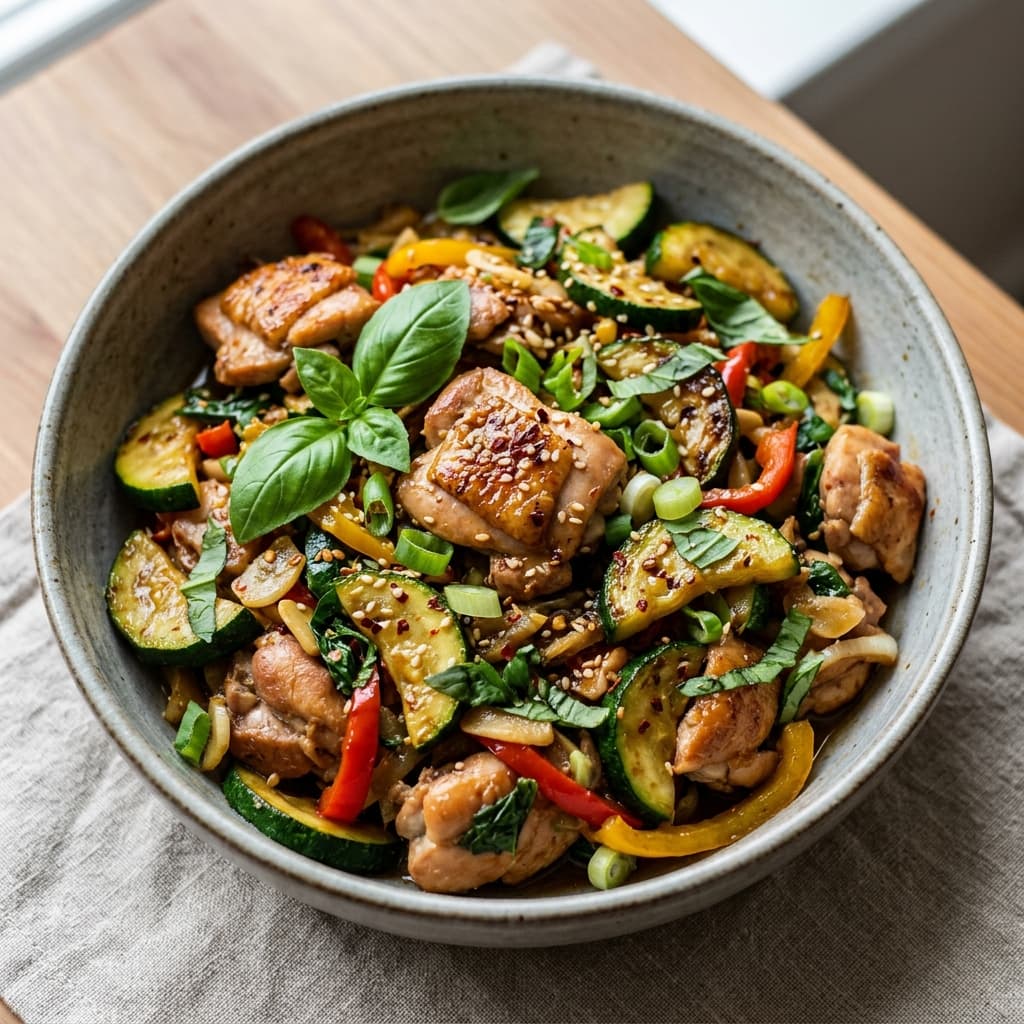
Whisk all ingredients together. Use it as a marinade for chicken or fish, or toss it into a stir-fry during the last few minutes of cooking to thicken and coat your vegetables and protein. It's incredibly versatile and brings all those delicious Asian flavors back to your table.
Homemade BBQ or Ketchup Alternative
This one takes a little creativity, but it's totally worth it for that sweet and tangy kick. Beet puree can give you a lovely color and earthy sweetness, while dates add natural sugar. Try blending:
- 1 cup cooked beet puree (from roasted or boiled beets)
- 1/4 cup date paste (made from soaking and blending dates)
- 2 tablespoons apple cider vinegar
- 1 teaspoon onion powder
- 1/2 teaspoon garlic powder
- 1/2 teaspoon mustard powder (check ingredients for additives)
- Pinch of sea salt and a little fresh ginger powder
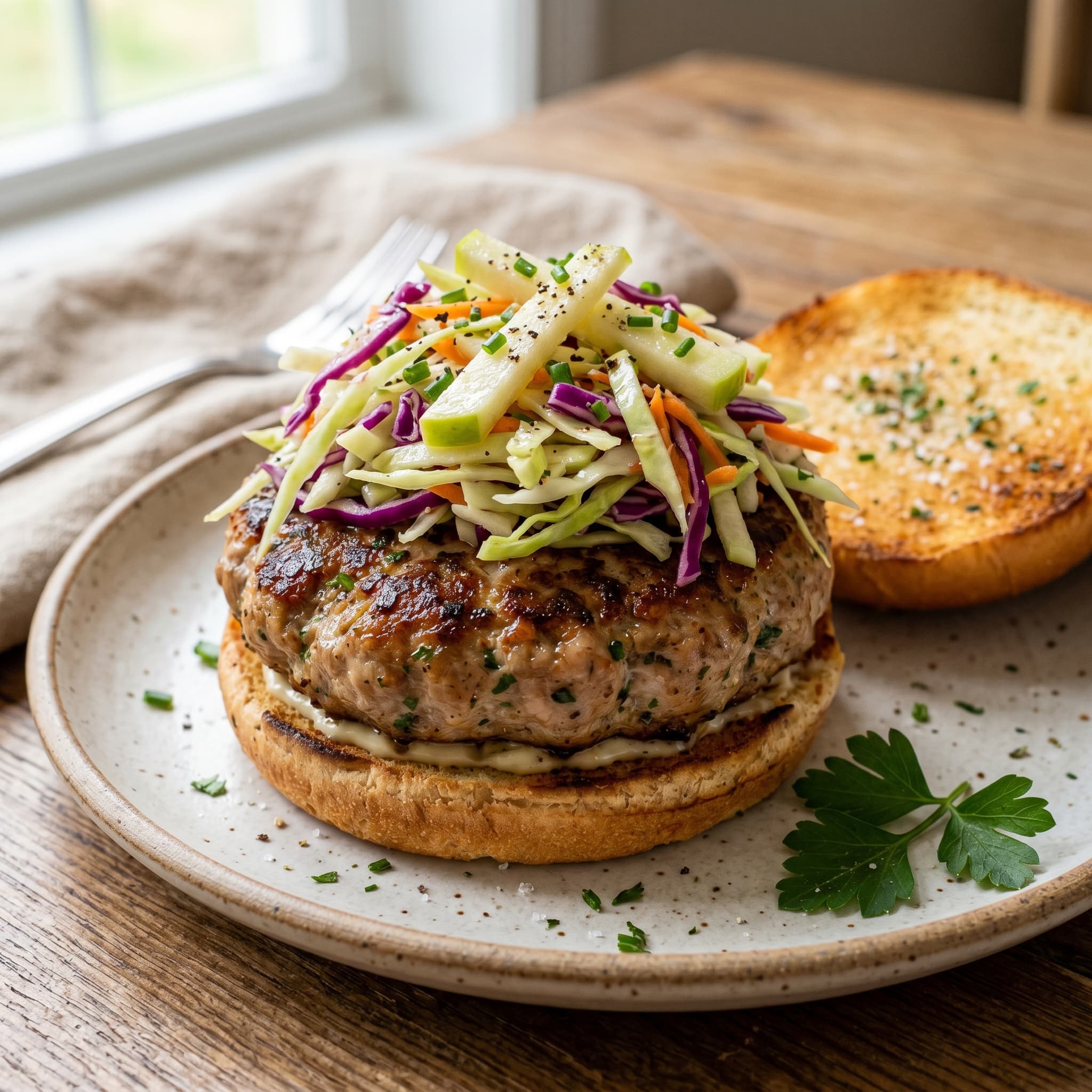
This makes a surprisingly delicious and vibrant sauce that works well as a topping for burgers (on a low histamine bun, of course!), roasted sweet potatoes, or even as a dipping sauce. It's a wonderful way to bring back those classic comfort food flavors without the histamine worry.
Sweet & Tangy Low Histamine Dips & Spreads
Dips and spreads are essential for snacks, appetizers, and adding extra layers of flavor to your meals. Again, a little creativity goes a long way here!
Zucchini "Hummus"
Traditional hummus often contains chickpeas (which can be problematic for some) and tahini (which is fermented). But a zucchini-based version is absolutely delightful! Simply steam some zucchini until very tender, then blend it with:
- Fresh lemon juice
- Olive oil
- A clove of fresh garlic (if tolerated)
- Sea salt
- Optional: a small amount of tahini if you tolerate it, or omit for a lighter version.
It's light, refreshing, and has a lovely smooth texture. Serve it with rice crackers, cucumber slices, or bell pepper strips.
Fresh Herb Pestos
Pesto is incredibly versatile, and you don't need parmesan cheese or pine nuts if they're problematic for you. A simple, fresh basil or parsley pesto is bright and invigorating. Blend:
- 2 cups fresh basil or parsley leaves
- 1/2 cup extra virgin olive oil
- 1-2 cloves fresh garlic (if tolerated)
- 1/4 cup pumpkin seeds or raw sunflower seeds (if tolerated, as a nut-free alternative)
- Juice of 1/2 a lemon
- Sea salt to taste
Whirl it all in a food processor until smooth. This vibrant green sauce is amazing tossed with pasta, spread on gluten-free toast, or dolloped onto grilled fish or chicken. It's a burst of fresh flavor that you'll absolutely adore.
Fruit Compotes
For a naturally sweet and tangy spread, simple fruit compotes are perfect. Blueberries, raspberries, apples, or pears are generally well-tolerated. Gently simmer your chosen fruit with a tiny splash of water, a squeeze of lemon juice, and a touch of maple syrup or honey until soft and jammy. You can add a pinch of fresh ginger for warmth. This is wonderful on pancakes, gluten-free toast, or mixed into plain coconut yogurt.
Putting It All Together: Your Low Histamine Sauce Action Plan
Feeling inspired? I hope so! The world of low histamine eating doesn't have to be bland. It's an opportunity to get creative in the kitchen and discover new favorite flavors. Here are a few practical tips to help you embrace your new sauce-making adventure:
- Read Labels Meticulously: Even seemingly innocent products can hide high histamine ingredients. Always check for yeast extract, citric acid, "natural flavors," or any type of vinegar that isn't apple cider or rice.
- Prioritize Freshness: This is probably the most important rule. Cook your meals and make your sauces with the freshest ingredients possible, and enjoy them quickly. Histamine levels increase as food sits. If you're making a batch, freeze portions immediately to lock in freshness.
- Experiment with Herbs and Spices: Don't be shy! Herbs like basil, oregano, thyme, rosemary, and parsley, along with spices like ginger, turmeric, and garlic powder, are your flavor powerhouses. They can transform a simple dish.
- Batch Cook Smart: When you find a low histamine sauce recipe you love, make a larger batch! Portion it out and freeze it in ice cube trays or small containers. This makes healthy, flavorful meals so much easier on busy days.
- Listen to Your Body: Remember, histamine intolerance is incredibly individual. What works beautifully for one person might not be quite right for another. Introduce new ingredients slowly and in small amounts, and pay close attention to how you feel. Your body is your best guide!
Embarking on a low histamine journey can feel overwhelming at times, especially when you're trying to figure out how to keep your food delicious. But I truly believe that with a little knowledge and a willingness to explore, you can create incredibly flavorful and satisfying meals, full of wonderful low histamine sauces. You're doing a fantastic job, and every small step you take towards understanding your body and nourishing it well is a huge victory. So, let's get that apron on and whip up something wonderful. Pick just one sauce idea from above and give it a try this week!