Smart Kitchen Strategies: Mastering Meal Prep and Storage for a Low Histamine Diet
Tired of feeling like meal prep is off-limits with a low histamine diet? I've got you! This article redefines low histamine meal prep, focusing on smart strategies for freshness, quick cooking, and safe storage so you can enjoy delicious, ready-to-go meals without the worry.
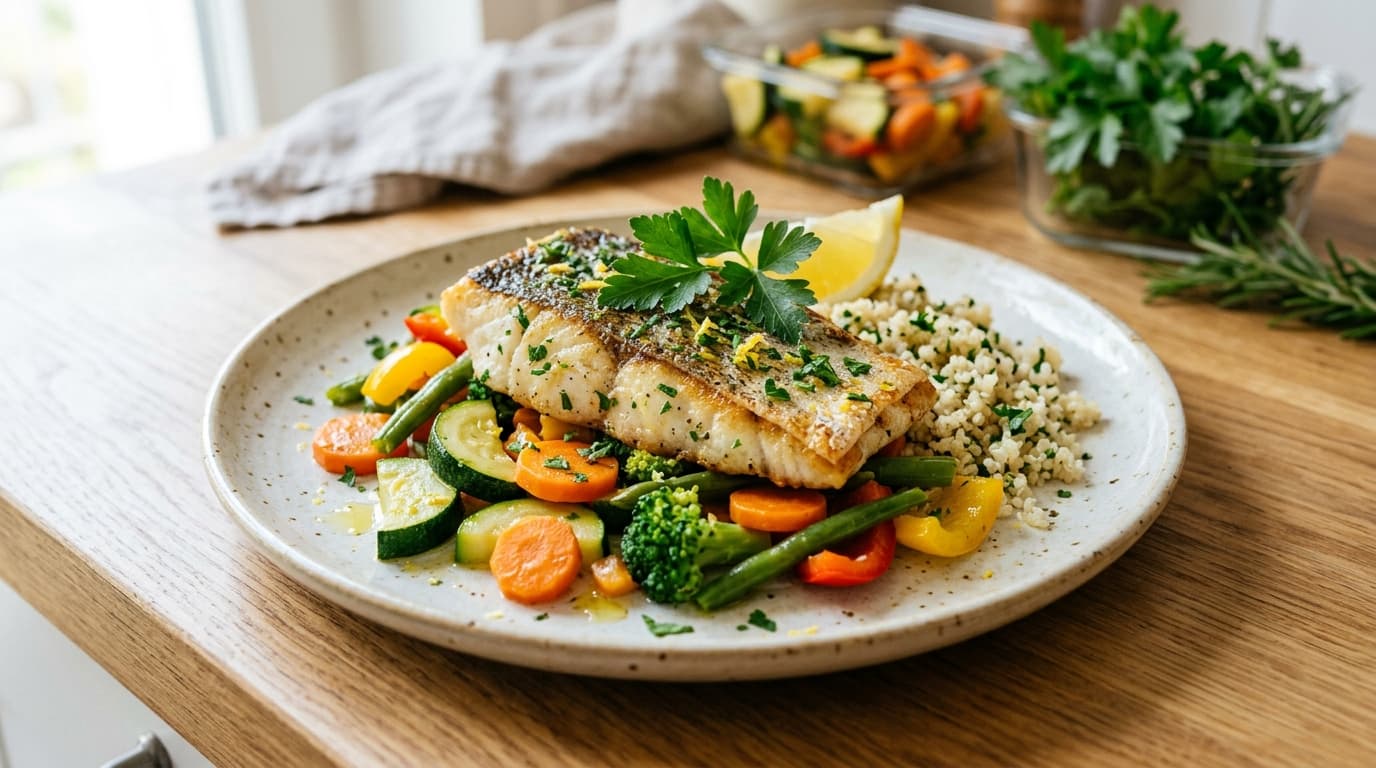
Smart kitchen strategies: mastering meal prep and storage for a low histamine diet
Oh, the dream of easy, ready-to-go meals! I know you're probably picturing those perfectly portioned containers, a week's worth of healthy food lined up, and feeling a pang of 'that's just not for me.' When you're managing a low histamine diet, the idea of meal prep can feel like a contradiction. Everything you've learned screams 'fresh is best,' 'eat it immediately,' and 'avoid leftovers,' right? It's enough to make you throw your hands up and just cook every single meal from scratch, every single time.
I hear you, and it's a completely understandable struggle. The good news is, I'm here to tell you that a smart, low histamine meal prep strategy isn't just a fantasy; it's absolutely possible! It just looks a little different than the typical 'cook once, eat all week' approach. Let's dive into how we can make your kitchen a place of ease, not anxiety, and get you feeling confident about your low histamine meals.
The low histamine challenge: why freshness matters so much
You're already keenly aware that histamine levels in food tend to increase over time. This happens because bacteria naturally present in food begin to break down amino acids, like histidine, into histamine. It's a natural process, but for those of us with histamine intolerance, it can spell trouble.
This is why traditional meal prep, where you cook big batches and store them for several days, can be so tricky. Foods that are usually fine when fresh might cause a reaction after a day or two in the fridge. That's why we're going to redefine what 'meal prep' means for you. It's less about cooking everything fully ahead of time and more about setting yourself up for *quick, fresh cooking* later.
Your low histamine meal prep mindset: planning for success
Let's shift our perspective a little. Instead of thinking 'cook everything,' let's think 'prepare everything *to be cooked* quickly and safely.' This involves a few key principles:
- Speed is your friend: The less time food spends at room temperature or slowly cooling, the better.
- Portion control: Cook only what you'll eat in one sitting, or what you can cool and freeze *immediately*.
- Freezing is fantastic: It pauses histamine development, making it a powerful tool for low histamine meal prep.
- Fresh, fresh, fresh: Prioritize ingredients that are as close to their original state as possible.
Embracing this mindset means you're creating a system that supports your body, rather than constantly battling against it. It's about working *with* the science of histamine, not against it.
Smart sourcing: starting with the freshest ingredients
The journey to a happy low histamine meal starts long before you even turn on the stove. It begins at the grocery store! Choosing the right ingredients and handling them carefully from the get-go makes a huge difference.
Prioritizing quality and freshness
- Vegetables & Fruits: Buy them vibrant and firm. Think about what's in season, as seasonal produce is often fresher. Get them home and into the fridge quickly.
- Proteins: This is where freshness is *really* important.
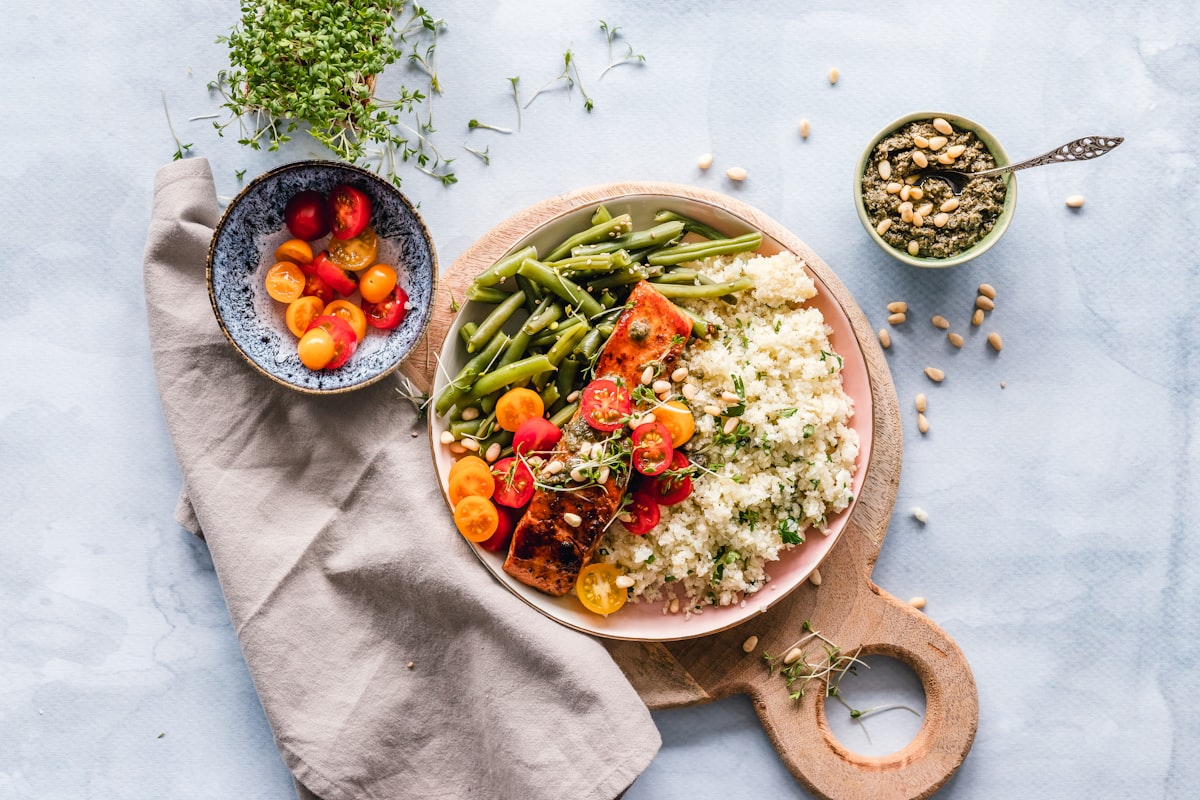
- Fish: Opt for flash-frozen fish whenever you can. It's often frozen right on the boat, locking in freshness and minimizing histamine formation. If buying fresh, make sure it's caught that day if possible, and cook it as soon as you get home. Our Pan-Seared White Fish with Roasted Sweet Potatoes and Zucchini recipe, for example, really leans into flash-frozen fish for this very reason.
- Meat & Poultry: Choose fresh cuts from a reputable butcher. Look for clear packaging and a 'packed on' date. Again, aim to cook within a day or two of purchase, or freeze immediately.
- Herbs & Spices: Fresh herbs like parsley, rosemary, thyme, and basil are your flavor powerhouses on a low histamine diet. Buy them fresh and use them liberally.
Pre-prep for quick cooking
This is where your 'prep' really begins for low histamine meal prep. Instead of cooking, you're getting things ready to be cooked at a moment's notice.
- Wash and chop veggies: As soon as you get home, wash and chop your low histamine vegetables (carrots, zucchini, broccoli, bell peppers, bok choy, snow peas). Store them in airtight containers in the fridge. This saves you so much time during the week!
- Portion proteins: If you've bought a larger cut of meat or chicken, divide it into individual portions and freeze them right away. Thaw only what you need, when you need it.
- Make a quick sauce base: Blend up some fresh herbs with olive oil, salt, and maybe a little garlic (if tolerated) for a quick dressing or marinade that you can add to dishes just before cooking.
Kitchen confidence: mastering low histamine cooking techniques
How you cook your food can also play a role in managing histamine levels. The goal is to cook thoroughly but efficiently.
Quick cooking methods
These methods get food cooked and to your plate in no time, which is ideal for a low histamine approach:
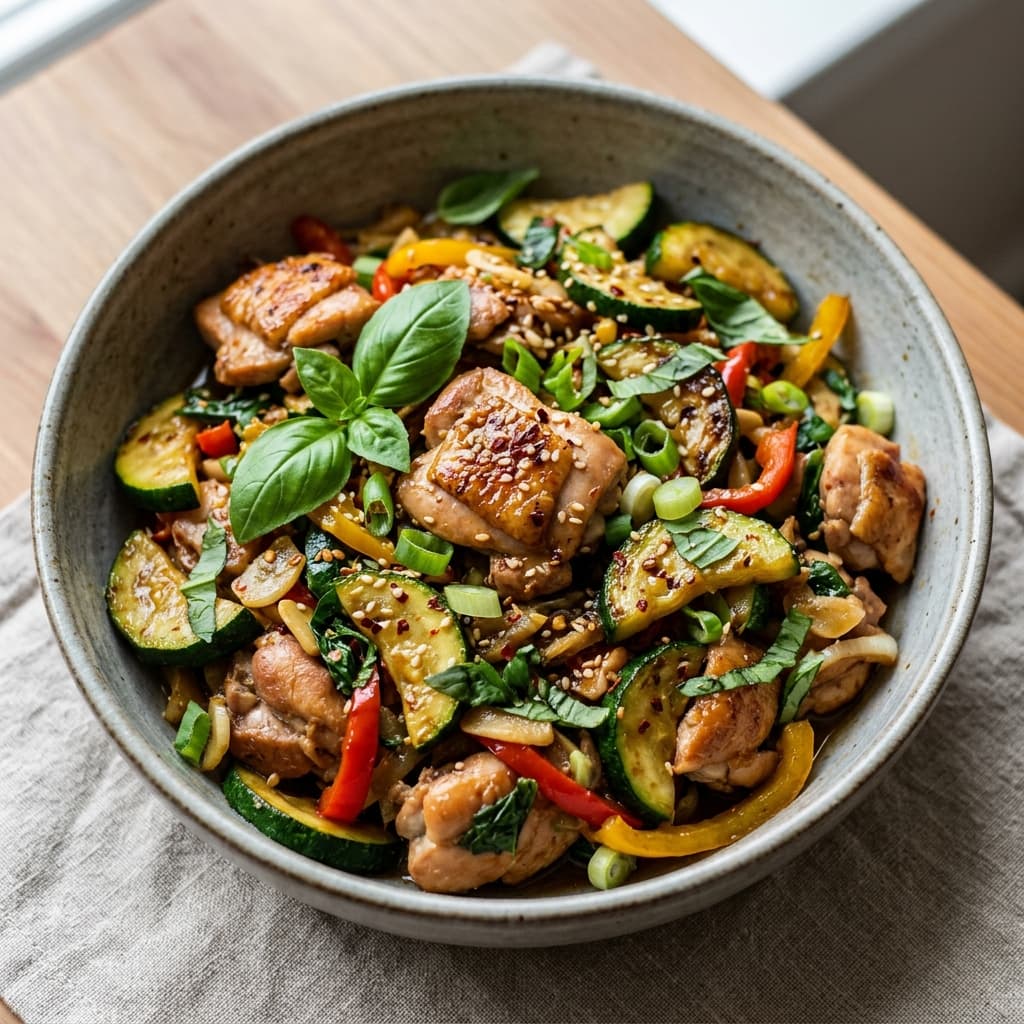
- Sautéing & Stir-frying: High heat, quick cooking. Perfect for veggies and thinly sliced proteins. Our Vibrant Low-Histamine Vegetable Stir-fry is a fantastic example of how quickly you can get a delicious, low histamine meal on the table.
- Steaming: A gentle way to cook vegetables, preserving nutrients and flavor without excessive heat or time.
- Roasting: While it takes a bit longer than sautéing, roasting at a higher temperature can still be efficient. Chop veggies small to speed up the process.
- Pan-searing: Great for fish and poultry, creating a lovely crust quickly.
Mindful seasoning
Fresh herbs are your best friends here. They add incredible flavor without relying on high-histamine ingredients. Experiment with combinations of:
- Parsley
- Rosemary
- Thyme
- Basil
- Chives
- Oregano (in moderation, if tolerated)
Sea salt and freshly ground pepper are always safe bets. A splash of apple cider vinegar (if tolerated) can add a bright note.
The storage solution: keeping histamine levels low after cooking
This is probably the trickiest part of low histamine meal prep, but it's absolutely manageable with the right strategy. The key is to minimize the time food spends in the 'danger zone' – between 40°F and 140°F (4°C and 60°C) – where bacteria multiply rapidly.
Rapid cooling is non-negotiable
If you're cooking more than one portion, you need to cool it down as quickly as possible.
- Portion immediately: Divide cooked food into individual, shallow containers as soon as it's safe to handle. Smaller portions cool faster.
- Ice bath method: For soups or stews, place the pot in a larger bowl filled with ice water. Stir occasionally to help it cool evenly.
- Spread it out: For solid foods like roasted vegetables or protein, spread them in a single layer on a clean baking sheet to maximize surface area for cooling.
- Refrigerate swiftly: Once food has cooled to room temperature (aim for within an hour, maximum two), get it into the fridge. Don't let it sit out longer than that.
Freezing for longevity
Freezing is a game-changer for low histamine diets because it essentially presses the pause button on histamine formation. This is how you can truly 'meal prep' for more than a day or two.
- Use freezer-safe containers: Glass containers are excellent, or BPA-free plastic. Make sure they're airtight to prevent freezer burn.
- Label and date: You won't remember what's what or when it was made!
- Eat within 1-2 days from the fridge: If you're refrigerating cooked food, aim to eat it within 24-48 hours, depending on your individual sensitivity. Anything you won't eat within that timeframe should be frozen immediately after rapid cooling.
- Thaw safely: Always thaw frozen meals in the refrigerator overnight, or use the defrost setting on your microwave. Avoid thawing at room temperature.
Putting it all together: your weekly low histamine meal prep strategy
Here’s how you can weave these principles into a practical weekly routine. Remember, this isn't about rigid rules, but about creating a flow that works for *you*.
Step 1: The weekly reset (1-2 hours)
- Plan your meals: Choose a few low histamine recipes you enjoy. Think about meals that use similar ingredients for efficiency, like our Pan-Seared White Fish with Roasted Sweet Potatoes and Zucchini and the Vibrant Low-Histamine Vegetable Stir-fry.
- Grocery shop: Buy only what you need, prioritizing fresh ingredients and flash-frozen proteins.
- Pre-chop and store: Wash, chop, and store all your raw, low histamine vegetables in separate airtight containers.
- Portion proteins: Divide fresh meat/poultry into meal-sized portions and freeze what you won't use in the next 1-2 days.
- Cook grains: Cook a batch of rice or quinoa. This is usually fine to keep in the fridge for a couple of days, or freeze in portions.
Step 2: Daily quick assembly (15-30 minutes)
Now, with your pre-prepped ingredients, daily cooking becomes a breeze!
- Choose your protein: Thaw a portion of frozen fish, chicken, or use fresh if you have it.
- Grab your veggies: Pull out your pre-chopped low histamine vegetables.
- Cook: Use a quick method like stir-frying, sautéing, or pan-searing. For example, a quick stir-fry with bok choy, snow peas, and carrots takes minutes when the veggies are already chopped.
- Add flavor: Season with fresh herbs, olive oil, salt, and pepper.
- Serve immediately: Enjoy your fresh, delicious meal!
This approach gives you the structure of meal prep without the histamine risk of prolonged cooked food storage. It's about front-loading the tedious tasks so that daily cooking is fast and rewarding.
Your practical takeaway for low histamine meal prep
Let's boil it down to what you can *do* today to make your low histamine journey smoother:
- Embrace flash-frozen: For fish and seafood, it's often fresher than 'fresh' from the counter.
- Chop and store raw veggies: This is a huge time-saver for quick weeknight meals.
- Freeze cooked portions *immediately*: If you do cook extra, cool and freeze it as fast as possible.
- Prioritize fresh herbs: They're your flavor heroes!
- Cook small batches: Aim to cook just enough for a meal or two from the fridge, freezing anything beyond that.
You're not just cooking; you're nurturing yourself. This gentle approach to meal prep respects your body's needs while giving you back precious time and peace of mind. You've got this, and I'm so proud of you for taking these steps towards feeling better.
Why not start small this week? Pick just one meal you'd like to prep for – maybe washing and chopping veggies for a quick stir-fry tomorrow night. Every little step is a win!