Sulfite Sensitivity: Unmasking the Hidden Triggers in Food and Drink
Feeling unwell after eating? Sulfites might be the hidden trigger. I'll show you how to identify sulfite sensitivity symptoms and find them in your food, so you can take back control of your plate.
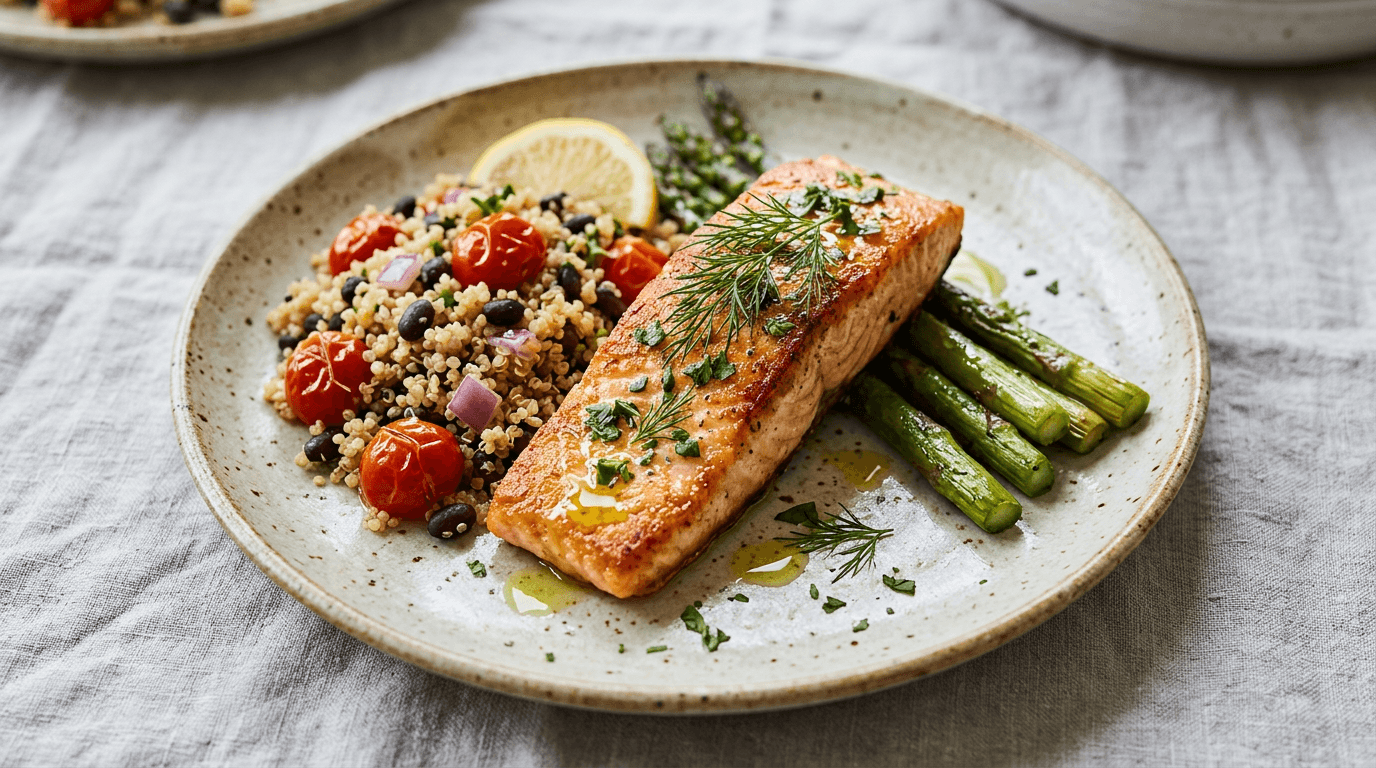
Sulfite Sensitivity: Unmasking the Hidden Triggers in Food and Drink
It's incredibly frustrating, isn't it? You're enjoying a meal or a glass of something lovely, and then, out of nowhere, you start feeling unwell. You're left wondering what *exactly* triggered that headache, that skin flare, or that sudden congestion. I hear you, and I understand how confusing and isolating that can feel.
For many, the culprit might be something called sulfites. These hidden ingredients are more common in our food and drink than you might realize, and for some people, they can cause a whole host of uncomfortable reactions. The good news is, by understanding what sulfites are and where they lurk, you can start to take back control of your plate and your well-being. Let's uncover the mystery together.
What exactly are sulfites and why do we use them?
So, what are sulfites? Simply put, they're compounds that contain sulfur, and they occur both naturally in some foods and are added as preservatives. Think of them as tiny guardians for your food, helping to prevent spoilage and keep things looking fresh. They've been used for centuries, particularly in winemaking, to stop unwanted bacterial growth and oxidation.
Food manufacturers love them because they're fantastic at preventing discoloration, especially in dried fruits and some vegetables, and they also extend shelf life. For most people, consuming sulfites isn't an issue at all. Your body processes them without a hitch, and you'd never even know they were there. But for a percentage of the population, it's a completely different story.
It's important to know that sulfites aren't inherently "bad"; they serve a practical purpose in our food system. It's just that some bodies react to them differently. That's why understanding your own body's unique responses is so incredibly empowering.
Recognizing the Clues: Common Sulfite Sensitivity Symptoms
If you suspect you have sulfite sensitivity, you're probably already familiar with that uncomfortable feeling after eating certain foods or drinks. The range of sulfite sensitivity symptoms foods can be quite varied, which is why it's often hard to pinpoint. It's not always a dramatic allergic reaction; sometimes it's more subtle, building up over time or appearing hours later.
One of the most common reactions involves the respiratory system, especially for those with asthma. You might experience:
- Wheezing or shortness of breath
- Chest tightness
- Coughing
- Nasal congestion or a runny nose
But it doesn't stop there. Many people report skin reactions, which can be particularly frustrating:
- Hives or rash
- Itching
- Flushing of the skin
Digestive upset is another big one that can really throw you off your game:
- Stomach cramps or pain
- Diarrhea
- Nausea
And let's not forget the more general, systemic symptoms that can make you feel just plain unwell:
- Headaches or migraines
- Dizziness
- General malaise or fatigue
It's a tricky picture because these symptoms can overlap with so many other food sensitivities or even common ailments. That's why becoming a detective of your own body is so crucial when you're exploring potential sulfite sensitivity symptoms foods. The key is to look for patterns and connections to what you've recently consumed.
Decoding Your Plate: Foods and Drinks High in Sulfites
Now that you know what to look for in terms of sulfite sensitivity symptoms foods, let's talk about where these sneaky sulfites actually hide. They're in a surprising number of everyday items, which is why identifying them can feel like a real challenge. Understanding these common culprits is your first big step towards feeling better.
Wine and Beer
This is probably the most well-known category. Sulfites are used in winemaking to stop fermentation, preserve freshness, and prevent oxidation. Even "organic" wines can contain naturally occurring sulfites, though many producers now offer "sulfite-free" or "no added sulfites" options. Beer can also contain sulfites, though typically in lower amounts.
Dried Fruits
Think apricots, raisins, prunes, and cranberries. Sulfites are often sprayed on these to maintain their bright color and prevent spoilage. You'll notice that naturally dried fruits often look darker and less vibrant, which is a good clue that they're likely sulfite-free.
Processed Meats and Seafood
Sausages, hot dogs, deli meats, and even some fresh shrimp can contain added sulfites to keep them fresh and appealing. It's always a good idea to check the labels on these items, especially if you're experiencing symptoms.
Baked Goods and Snacks
Crackers, cookies, chips, and even some breads might contain sulfites as dough conditioners or preservatives. This can be a particularly tricky area, as they're not always immediately obvious.
Condiments and Sauces
Many bottled dressings, mustards, vinegars (especially wine vinegar), lemon juice, and lime juice can contain sulfites. If you're sensitive, making your own dressings and sauces from scratch can be a game-changer.
Canned and Jarred Goods
Pickled vegetables, olives, maraschino cherries, and some canned soups or vegetables often have sulfites added for preservation. Even some frozen potato products might contain them to prevent browning.
The good news is that most countries have regulations requiring sulfites to be declared on food labels if they exceed a certain amount (for example, 10 parts per million in the US). So, getting to know those labels is going to be your superpower!
Your Detective Toolkit: How to Identify Your Sulfite Triggers
Feeling overwhelmed by all those potential sulfite sensitivity symptoms foods? Don't be! You've got this, and I'm here to help you build your personal detective toolkit. Identifying your specific triggers is the most empowering step you can take. It takes a bit of patience and careful observation, but the payoff of feeling better is absolutely worth it.
1. Consult with a Healthcare Professional
Before you dive into making big dietary changes, it's always best to chat with your doctor or a registered dietitian. They can help rule out other conditions that might be causing similar symptoms and guide you safely through an elimination process. They're your partners in this journey!
2. Become a Food Diary Master
This is truly one of the most effective tools. For a couple of weeks, meticulously record everything you eat and drink, along with the time you consumed it. Next to each entry, note any symptoms you experience, the time they started, and how severe they were. Look for patterns: do symptoms consistently appear after you've had dried fruit or a glass of wine? This helps connect the dots between potential sulfite sensitivity symptoms foods and your body's reactions.
3. Read Labels Like a Pro
Get into the habit of scrutinizing ingredient lists. Look for the word "sulfites" or "sulfiting agents." You might also see specific sulfite compounds listed, such as:
- Sulfur dioxide (SO2)
- Sodium sulfite
- Sodium bisulfite
- Sodium metabisulfite
- Potassium bisulfite
- Potassium metabisulfite
In Europe, these are often listed with E numbers like E220-E228. This might feel daunting at first, but with practice, you'll be a label-reading whiz!
4. Consider a Thoughtful Elimination Approach (with Guidance)
Once you have some suspects from your food diary, you might, under professional guidance, try a temporary elimination of high-sulfite foods. This isn't about deprivation, but about clarity. You'd remove the suspected triggers for a period (often 2-4 weeks) and carefully reintroduce them one by one to see if symptoms return. This helps confirm your triggers with certainty. Remember, this isn't a DIY project; always work with a professional.
5. Focus on Fresh, Whole Foods
This isn't just a strategy for identifying sulfites; it's a fantastic approach for overall well-being. By prioritizing fresh, unprocessed foods, you naturally reduce your exposure to many additives, including sulfites. It's a wonderful way to nourish your body and simplify your diet.
Embracing a Sulfite-Conscious Mediterranean Lifestyle
Here's where the magic of the GentleFeast philosophy truly shines! If you're navigating sulfite sensitivity symptoms foods, you might feel like your food choices are shrinking. But I promise you, embracing a Mediterranean-adapted lifestyle can actually open up a world of delicious, vibrant, and naturally lower-sulfite options. It's not about what you're losing; it's about what incredible goodness you're gaining!
The Mediterranean way of eating naturally emphasizes:
- Lots of fresh fruits and vegetables: These are naturally low in sulfites (unless processed or dried). Think colorful salads, roasted veggies, and fruit for dessert.
- Whole grains: Brown rice, quinoa, whole-wheat pasta, and oats are generally sulfite-free and wonderfully nourishing.
- Legumes: Lentils, chickpeas, and beans are fantastic sources of protein and fiber, and they're naturally sulfite-free.
- Healthy fats: Extra virgin olive oil is a cornerstone, and it's completely sulfite-free.
- Lean proteins: Fresh fish, poultry, and eggs are great choices. You're avoiding those processed meats that often contain sulfites.
- Herbs and spices: These are your flavor powerhouses, allowing you to create incredible dishes without relying on processed sauces or condiments that might contain sulfites.
Think about it: when you're cooking from scratch with fresh ingredients, you're in complete control of what goes into your food. You're bypassing all those packaged goods where sulfites often hide. Instead of dried apricots, enjoy a fresh peach. Swap out that bottled dressing for a simple vinaigrette made with olive oil, fresh lemon juice, and herbs. Choose fresh or frozen vegetables over canned ones.
The good news is that this approach isn't just about managing sulfite sensitivity; it's about enjoying a diet that's bursting with flavor, nutrients, and joy. It's a celebratory way of eating that makes you feel good from the inside out. You're not just avoiding triggers; you're actively choosing foods that love your body back.
Navigating sulfite sensitivity can feel like a maze, but you're not alone, and you absolutely have the power to figure it out. By understanding the symptoms, knowing where sulfites hide, and adopting a fresh, whole-food approach like the Mediterranean lifestyle, you're paving the way for a much more comfortable and delicious eating experience. Don't feel discouraged; every small step you take towards understanding your body is a huge win. Today, why not try reading the label on just one new food item you pick up? You're building your knowledge, and that's something to celebrate!