Sulfur Sensitivity: Foods to Avoid and Safe Alternatives
Dealing with sulfur sensitivity can feel like a puzzle. You know certain foods make you feel off, but figuring out exactly which ones can be tricky. Sulfur is i...

Dealing with sulfur sensitivity can feel like a puzzle. You know certain foods make you feel off, but figuring out exactly which ones can be tricky. Sulfur is in a lot of healthy stuff, which makes it even more confusing. This article breaks down the foods that might be causing issues, focusing on Sulfur Sensitivity: Foods to Avoid and Safe Alternatives. Our goal is to make it simpler to identify what to limit and what you can enjoy more of, helping you feel better day to day.
Key Takeaways
- Many common foods like red meats, dairy, certain vegetables (broccoli, onions, garlic), dried fruits, and some beverages contain high levels of sulfur, which can trigger symptoms in sensitive individuals.
- Sulfites, often used as preservatives, are different from naturally occurring sulfur but can also cause reactions, especially in people with asthma.
- Reducing intake of high-sulfur foods is often recommended for conditions like SIBO, IBD, or general sulfur sensitivity, but it's best done with guidance from a dietitian.
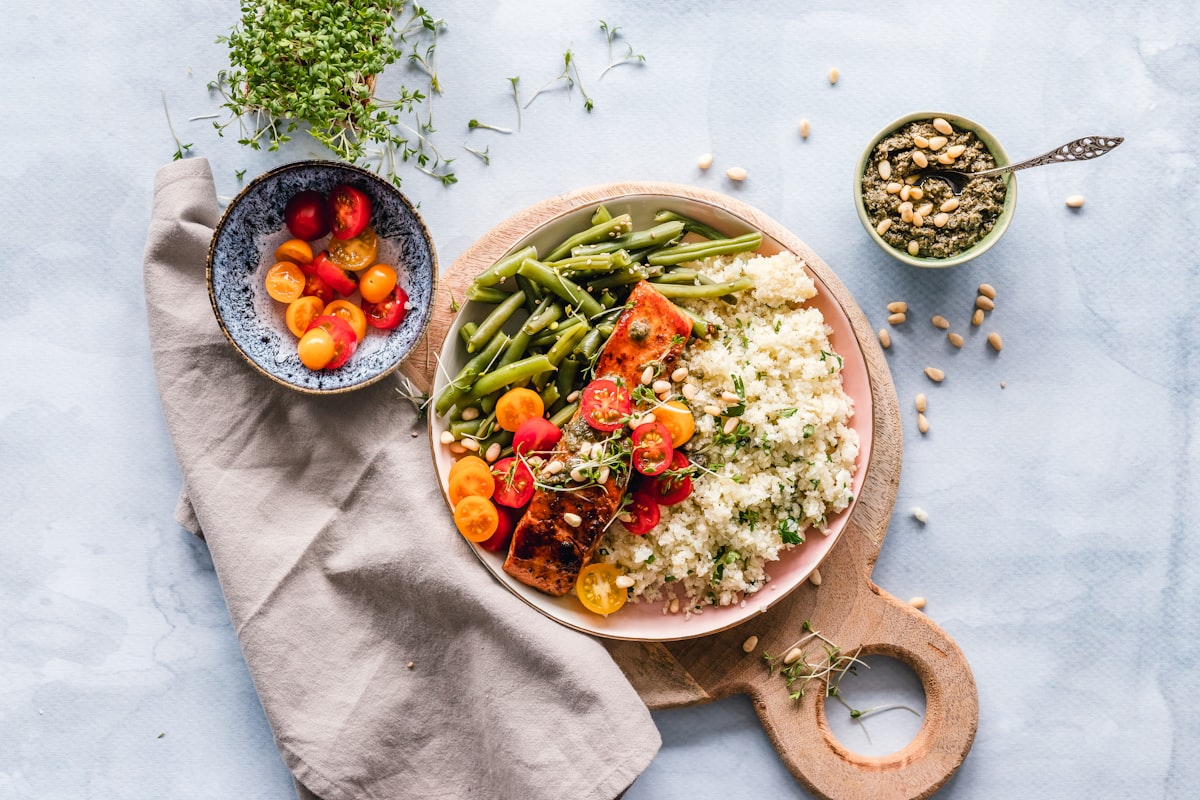
- Safe alternatives include lean proteins like salmon, many fresh vegetables (bell peppers, carrots, zucchini), most fruits (melons, apples, berries), and simple beverages like water or herbal teas.
- When making dietary changes for sulfur sensitivity, it's important to work with a healthcare professional to ensure you're still getting adequate nutrition and to properly identify trigger foods.
High-Sulfur Proteins And Dairy To Avoid
When you're trying to cut back on sulfur, the protein and dairy section is a big one to look at. It's not that these foods are inherently bad – they're usually packed with good stuff like amino acids – but for some people, they can cause issues. The main culprits here are the amino acids methionine and cysteine, which naturally contain sulfur. You can't really avoid them entirely because they're in so many healthy foods, but you can definitely cut back.
Red Meats And Poultry
Red meats like beef and lamb tend to be pretty high on the sulfur scale. Pork and white poultry meat aren't much better. While dark poultry meat does have some sulfur, it's generally considered a lower-sulfur option compared to other animal proteins. So, if you're sensitive, you might want to limit your intake of these.
Fish And Shellfish
Fish and shellfish are also on the list of high-sulfur foods. Think about it – seafood often has a distinct smell, and that can sometimes be linked to its sulfur content. If you're noticing problems after eating fish or shrimp, this could be why. It's a bummer because fish is so good for you in other ways, but sometimes you have to make choices.
Soy Products And Eggs
Soy products, like tofu and tempeh, can be a source of sulfur. And then there are eggs. Both the whites and the yolks contain sulfur, so if you're sensitive, you might need to cut back on your omelets or scrambled eggs. It's a common food, so this can be a tough one for many people to adjust.
Dairy And Bone Broth
Dairy products, with the exception of butter, are often high in sulfur. This includes milk, cheese (especially cheddar), and yogurt. If you're trying to reduce sulfur, you might want to look into alternatives. Bone broth, which has become super popular for its health benefits, also tends to be high in sulfur compounds. It's made by simmering bones, which releases these compounds into the liquid. So, while it's great for some things, it might not be ideal if you're watching your sulfur intake. You might want to check out [low-sulfur diet information](https://www.faynutrition.com/post/what-to-eat-low-sulfur-diet-why-it-works) for more ideas on what to swap in.
It's important to remember that sulfur is a natural part of many healthy foods. The goal isn't necessarily to eliminate it completely, but to reduce your intake if you're experiencing negative reactions. Listening to your body is key.
Here's a quick rundown of common high-sulfur proteins and dairy:
- Red Meats: Beef, lamb, pork
- Poultry: White meat chicken and turkey
- Seafood: Most fish and shellfish
- Eggs: Both yolks and whites
- Soy Products: Tofu, tempeh
- Dairy: Milk, cheese, yogurt
- Broth: Bone broth
Vegetables And Fruits With High Sulfur Content

When you're trying to cut back on sulfur, the produce aisle can be a bit tricky. Lots of really healthy stuff has sulfur in it, which is normally a good thing, but not when you're sensitive. It's mostly about two amino acids, methionine and cysteine, that are found in many plant foods.
Cruciferous And Allium Vegetables
This group is probably the most well-known for its sulfur content. Think broccoli, cauliflower, Brussels sprouts, cabbage, kale, and bok choy. These are the cruciferous veggies. Then you have the allium family, which includes onions, garlic, leeks, chives, and shallots. They all have that distinct smell and flavor partly because of their sulfur compounds. While super good for you in general, they can be a problem if you're watching your sulfur intake.
Dried Fruits And Coconut
It might surprise you, but dried fruits can pack a sulfur punch. Things like raisins, dates, prunes, and dried apricots often have higher concentrations of sulfur compounds compared to their fresh counterparts. This is partly due to the drying process concentrating the natural compounds. Also, coconut, especially dried coconut, can be a source to watch out for.
Other High-Sulfur Fruits
Beyond the dried varieties, some fresh fruits also contain notable amounts of sulfur. Pineapple and papaya are two examples that often come up. While they offer great enzymes and vitamins, their sulfur content might be something to consider if you're trying to limit your intake. It's not as high as in some vegetables, but it's worth noting.
It's important to remember that sulfur is a natural part of many healthy foods. The goal isn't to eliminate these foods entirely unless advised by a healthcare professional, but rather to be aware of which ones are higher in sulfur so you can make informed choices about your diet.
Beverages And Condiments To Limit
When you're trying to cut back on sulfur, it's not just the main meals you need to think about. What you drink and what you add to your food can also pack a surprising sulfur punch. It's easy to overlook these, but they can add up.
Alcoholic Beverages And Juices
Lots of drinks that seem harmless can be culprits. Beer and wine, especially, are known for their sulfur content, often due to the sulfites used in the winemaking and brewing processes. Even some fruit juices, like apple and grape, can have added sulfites or naturally occurring sulfur compounds. If you're sensitive, you might want to stick to water or herbal teas. Some juices, like tomato juice, can also be a source of sulfur. It's a good idea to check labels carefully for any mention of sulfites, especially in bottled or canned options. For more information on foods containing sulfites, you can check out [common foods high in sulfites](https://www.oreateai.com/blog/beyond-the-label-unpacking-the-foods-that-pack-a-sulfite-punch/87946399a2f53eee0136b5d113fe480d).
Dairy Beverages
While not all dairy is high in sulfur, some forms can be. Cow's milk, for instance, is often listed as a beverage to limit. This is because it contains sulfur-containing amino acids. If you're looking for alternatives, plant-based milks like almond or oat milk might be better choices, though it's always wise to check the ingredients for any added thickeners like carrageenan, which can also be a source of sulfur.
Condiments And Sweeteners
This is where things get tricky. Many common condiments and sweeteners can contain hidden sulfur. Think about things like mustard, vinegar (especially wine vinegar), and even chocolate. Yeast extract, often found in savory snacks and sauces, can also be a source. Sugar itself isn't typically high in sulfur, but some processed sweeteners or those used in baked goods might be. It's worth noting that some dried fruits, often used in jams or as toppings, are also high in sulfur. Reading labels is your best bet here to spot ingredients like sodium bisulfite or potassium metabisulfite.
It's easy to forget about the smaller things we consume daily, but beverages and condiments can contribute significantly to your overall sulfur intake. Being mindful of what's in your glass and on your plate, even in small amounts, can make a big difference when managing sulfur sensitivity.
Supplements And Additives Containing Sulfur
Okay, so we've talked about foods, but what about all the other stuff we consume? Supplements and additives can be sneaky sources of sulfur. It's easy to overlook these, especially when you're just trying to get a vitamin boost or make your food last longer.
Common Sulfur-Containing Supplements
Lots of popular supplements contain sulfur, often in forms that are easily absorbed by the body. If you're trying to cut back on sulfur, these are definitely ones to watch out for. It's always a good idea to check the ingredient list, even if you think you know what's in it.
- Alpha-lipoic acid: Often taken for its antioxidant properties.
- Glucosamine sulfate: A common supplement for joint health.
- Chondroitin sulfate: Another popular joint support supplement.
- Methylsulfonylmethane (MSM): Frequently used for inflammation and pain relief.
- Glutathione: Sometimes called the body's "master antioxidant."
Ingredients With Sulfite Or Sulfate
Beyond specific supplements, many other ingredients use "sulfite" or "sulfate" in their names. These are often used in food processing for various reasons, like keeping things looking fresh or preventing spoilage. You'll find them in a surprising number of products if you start looking.
Sulfiting agents are pretty common. They were first used way back in the 1600s and have been approved for use in foods for a long time. The FDA lists several of these as "generally regarded as safe" (GRAS). They're used to:
- Stop fruits and veggies from turning brown.
- Prevent black spots on seafood like shrimp.
- Help control microbes in drinks like wine.
- Keep food from spoiling.
- Maintain flavor.
Some examples of these include:
- Sulfur dioxide
- Sodium sulfite
- Sodium bisulfite
- Potassium bisulfite
- Potassium metabisulfite
Processed Food Additives
Then there are the additives that might not scream "sulfur" but still contain it. Carrageenan, for instance, is often added to dairy products and can be a source of sulfur for some people. Reading labels is your best friend here. You might be surprised what you find lurking in your favorite snacks or convenience foods. It's the hidden ingredients that often cause the most trouble when you're trying to manage your sulfur intake.
When you're looking at labels, keep an eye out for anything that sounds like it might have sulfur. It's not always obvious, and sometimes the names are a bit technical. If you're unsure, it's probably best to avoid it for now and do a little more research later.
Nuts, Seeds, Beans, And Grains High In Sulfur
Okay, so we've talked about proteins and veggies, but what about those pantry staples like nuts, seeds, beans, and grains? Turns out, some of these can pack a surprising sulfur punch too. It's not all bad news, though; knowing which ones to watch out for is key.
Specific Nuts and Seeds
When it comes to nuts and seeds, a few stand out for their sulfur content. Brazil nuts are particularly high, so if you're sensitive, you'll want to steer clear of those. Almonds aren't far behind, being moderately high. Sesame seeds and peanuts also tend to have a noticeable amount of sulfur. It's a bummer because these are often go-to snacks, but if you're trying to lower your sulfur intake, these are the ones to limit.
Legumes and Beans
Beans and lentils are fantastic sources of protein and fiber, but they can also contribute to your sulfur load. Soybeans, for instance, are on the higher side. Other legumes, like various types of beans and lentils, generally contain sulfur compounds. While they are super healthy, if you're struggling with sulfur sensitivity, you might need to cut back or choose lower-sulfur options if available.
Certain Grains
Grains are a bit of a mixed bag. While many are fine, some whole grains can contain moderate levels of sulfur or sulfates. For example, whole wheat bread and pasta can sometimes be culprits. Buckwheat and quinoa are also known to have a decent amount of sulfur. It's not as straightforward as with other food groups, but it's something to keep in mind if you're tracking your intake closely.
It's important to remember that sulfur is a naturally occurring element found in many healthy foods. The goal isn't necessarily to eliminate it entirely, but to manage your intake if you're experiencing negative reactions. Sometimes, it's about portion size and frequency rather than complete avoidance.
Here's a quick rundown of some common offenders:
- Nuts: Brazil nuts, Almonds
- Seeds: Sesame seeds
- Legumes: Soybeans
- Grains: Whole wheat products, Buckwheat, Quinoa
Herbs, Spices, And Flavorings To Monitor

Even when you're trying to cut back on sulfur, you don't have to make everything taste bland. Lots of herbs and spices are actually pretty low in sulfur, which is great news. But, there are a few that can pack a punch when it comes to sulfur content, so it's good to be aware of them.
Sulfur-Rich Herbs And Spices
Some common seasonings can contribute to your overall sulfur intake. While they add a lot of flavor, if you're sensitive, you might want to limit them or watch your portion sizes. Things like chives, cilantro, and coriander are often mentioned. Garlic powder and onion powder, which are basically concentrated versions of fresh garlic and onions, can also be high in sulfur compounds. Mustard, whether it's the powder or the prepared condiment, is another one to keep an eye on. Even tamarind, used in some cuisines for its tangy flavor, can be a source.
Flavorings And Extracts
When it comes to flavorings and extracts, the story is a bit mixed. Many pure extracts, like vanilla or almond, are generally fine. However, some processed flavorings and ingredients can contain hidden sulfites or other sulfur compounds. It's always a good idea to check the ingredient list. For instance, some yeast extracts or certain types of vinegar might have added sulfites. Asafoetida, for example, is known for its strong, savory aroma that mimics garlic and onion, and it's a potent source of sulfur compounds, often used in cooking for that very reason. [It's a valuable ingredient](https://www.flavorist.com/asafoetida-what-the-sfc-wants-every-flavorist-to-know/) for flavorists, but one to monitor if you're sensitive.
Be mindful of processed items. Sometimes, what seems like a simple flavoring can have added ingredients that increase sulfur content. Reading labels is your best bet.
Here's a quick rundown of some things to watch out for:
- Chives: Often used fresh, but dried versions can be concentrated.
- Coriander: Both seeds and leaves (cilantro) can be sources.
- Garlic Powder: A concentrated form of garlic.
- Onion Powder: Similar to garlic powder, it's concentrated onion.
- Mustard: Powder and prepared mustards can vary.
- Tamarind: Used for its sour flavor.
- Asafoetida: Known for its pungent, savory notes.
Wrapping Up Your Low-Sulfur Journey
So, we've talked a lot about foods that pack a sulfur punch and why you might want to cut back. It can feel like a big change, especially when so many healthy foods have sulfur in them. Remember, this isn't usually a forever thing. Most people try a low-sulfur diet for a bit to see if it helps their symptoms, and then slowly bring foods back. The most important thing is to chat with a doctor or a dietitian before you start. They can help you figure out what's best for you and make sure you're still getting all the good stuff your body needs. It’s all about finding that balance that makes you feel your best.
Frequently Asked Questions
What exactly is sulfur sensitivity?
Sulfur sensitivity means your body reacts negatively to sulfur. This can cause a range of symptoms, like stomach aches, skin issues, or even breathing problems. It's different from a sulfa allergy, which involves a specific type of drug.
Why should I avoid certain foods if I'm sensitive to sulfur?
Sulfur is found naturally in many healthy foods, especially those with protein. For some people, eating too much of these foods can make their symptoms worse. Cutting back on high-sulfur foods can help your body feel better.
Are sulfites and sulfur the same thing?
No, they're not the same. Sulfites are often added to foods as preservatives to keep them fresh longer. Sulfur, on the other hand, is a natural element found in many foods. Some people are sensitive to sulfites, while others react to the natural sulfur in food.
Which foods are usually high in sulfur?
Foods like red meat, poultry, fish, eggs, and dairy are common sources of natural sulfur. Many vegetables, such as broccoli, onions, and garlic, also contain sulfur. Even some fruits, like dried fruits, and drinks like beer and wine can be high in it.
Can I still eat protein if I need to limit sulfur?
Yes, you can! While many protein sources are high in sulfur, you can choose lower-sulfur options. Think about fish like salmon or sardines, or certain types of poultry. You can also get protein from lower-sulfur plant sources.
Should I go on a low-sulfur diet long-term?
A low-sulfur diet is typically meant for a short period. It's usually best to work with a doctor or a dietitian. They can help you figure out which foods trigger your symptoms and guide you on how to reintroduce foods safely after your symptoms improve.