Sweet & Safe: Delicious Low Oxalate Desserts You Can Enjoy Guilt-Free
I'm sharing delightful low oxalate dessert recipes and tips so you can enjoy sweet treats without worry. Discover how easy it is to bake safely!
Sweet & Safe: Delicious Low Oxalate Desserts You Can Enjoy Guilt-Free
Do you ever feel like you're missing out on the sweet things in life because of dietary concerns, especially oxalates? I hear you, it's tough when you're trying to manage your health but still crave a delicious treat. But what if I told you that enjoying delightful desserts without the oxalate worry is absolutely possible? I've been diving deep into this, and I'm so excited to share some fantastic low oxalate dessert recipes and strategies that'll let you have your cake and eat it too, safely!
It's all about understanding a few simple swaps and embracing new possibilities. You don't have to give up on dessert; you just need a little guidance on how to make it gentle for your body. Let's explore how we can bring joy back to your sweet tooth.
Understanding Oxalates: What They Are and Why They Matter for Some
First things first, what exactly are oxalates? They're natural compounds found in many plant foods, and for most people, they're not a big deal. Our bodies process them just fine. However, for some of us, especially those prone to kidney stones or with certain digestive sensitivities, a build-up of oxalates can cause discomfort.
When we eat foods high in oxalates, they can bind with calcium in the gut. If too many unbound oxalates make their way to the kidneys, they can form crystals, which can lead to kidney stones. The good news is, managing your oxalate intake doesn't mean saying goodbye to flavor or fun! It's about being mindful and making informed choices that support your well-being.
We're not talking about eliminating oxalates entirely, because that's just not realistic or necessary for most. Instead, it's about reducing your intake of particularly high-oxalate foods and finding delicious, satisfying alternatives. This approach helps you manage symptoms while still enjoying a varied and nourishing diet.
Stocking Your Low Oxalate Baking Pantry
Creating wonderful low oxalate dessert recipes starts with having the right ingredients on hand. It's like building a new toolkit for your kitchen! You'll be surprised by how many delicious staples are naturally low in oxalates, making them perfect for your sweet creations.
Let's look at some key swaps and additions for your pantry:
Flour Power: Low Oxalate Grains and Starches
- White Rice Flour: This is a fantastic go-to for baking. It's naturally low in oxalates and provides a lovely, light texture.
- Tapioca Starch/Flour: Great for thickening and adding a chewy texture to baked goods.
- Arrowroot Powder: Another excellent thickener, often used in fruit fillings and puddings.
- Millet Flour: Offers a slightly nutty flavor and is a good low oxalate choice.
You'll want to generally steer clear of high-oxalate flours like almond flour, whole wheat flour, oat flour (unless certified low oxalate or used sparingly), and buckwheat flour.
Sweeteners and Fats That Work
- Granulated Sugar, Brown Sugar: These are generally safe and low in oxalates.
- Maple Syrup, Honey: Wonderful natural sweeteners that are also low oxalate.
- Butter, Coconut Oil, Olive Oil: Your go-to fats for baking.
Try to avoid molasses, which can be higher in oxalates, and certain artificial sweeteners that might have other additives.
Dairy and Dairy Alternatives
- Cow's Milk, Cream, Cream Cheese: Excellent choices for richness and moisture.
- Rice Milk, Coconut Milk (canned or carton): Great plant-based alternatives that are low in oxalates.
It's best to limit almond milk and soy milk, as they tend to be higher in oxalates.
Fruitful Choices: Low Oxalate Fruits
- Apples, Pears: Versatile and delicious for crumbles, pies, or just baked.
- Melons (Cantaloupe, Honeydew, Watermelon): Refreshing and naturally sweet.
- Peaches, Nectarines: Wonderful for summer desserts.
- Cherries, Grapes: Small, sweet bursts of flavor.
- Strawberries: While not the absolute lowest, a moderate amount is usually fine for many people, especially when paired with calcium-rich dairy.
You'll want to avoid high-oxalate fruits like raspberries, blackberries, kiwi, and figs when you're trying to keep your oxalate intake low.
Flavor Boosters and Other Essentials
- Vanilla Extract: A must-have for almost any sweet treat.
- Baking Powder, Baking Soda: Essential leavening agents.
- Gelatin: Perfect for puddings and mousses.
- Carob Powder: For a chocolate-like flavor without the high oxalate content of cocoa. Use it sparingly as it still contains some oxalate, but it's a much gentler option.
You'll notice that traditional chocolate and cocoa powder, most nuts (almonds, cashews, peanuts), and high-oxalate vegetables like spinach and rhubarb are off the list for low oxalate dessert recipes. But don't worry, we're going to create something amazing without them!
Adapting Your Favorite Sweet Treats for Low Oxalate Living
One of the most empowering things you can do is learn how to adapt existing recipes. You don't always need to start from scratch! With a few clever substitutions, you can transform many beloved desserts into low oxalate friendly versions. It's all about understanding the building blocks and making smart swaps.
Flour Swaps for a Gentle Crust or Cake
If a recipe calls for almond flour or whole wheat flour, you can often substitute with white rice flour or a blend of rice flour and tapioca starch. For every cup of almond flour, try about 3/4 cup of rice flour and a tablespoon of tapioca starch. This helps maintain a good texture, preventing your baked goods from becoming too dense or crumbly.
Sweetener Tweaks
Most standard recipes use granulated sugar, which is fine. If you're looking for an alternative, maple syrup or honey can often replace liquid sweeteners like agave. Just remember to adjust the liquid content of your recipe slightly if you're swapping a dry sugar for a liquid one, reducing other liquids by about 1/4 cup for every cup of liquid sweetener you add.
Fruitful Substitutions
This is where you can really get creative! If a pie or crumble recipe calls for berries like raspberries or blackberries, swap them out for apples, pears, peaches, or even strawberries (in moderation). You'll still get that lovely fruit flavor and natural sweetness without the oxalate load. For fruit tarts, think about a beautiful arrangement of melon balls and sliced peaches.
Dairy and Fat Alternatives
Many recipes call for milk or cream, which are generally low oxalate. If you prefer a dairy-free option, rice milk or canned full-fat coconut milk are excellent choices. Coconut milk adds a lovely richness and flavor to puddings, custards, and even ice creams. For fats, butter and coconut oil are your best friends.
Navigating the Chocolate Dilemma
This is often the trickiest part for dessert lovers! Since traditional chocolate and cocoa powder are high in oxalates, we need to find other ways to satisfy that rich, deep craving. Carob powder can be a good substitute for a chocolatey flavor, but remember to use it in moderation. Alternatively, lean into other delicious flavors like vanilla, lemon, cinnamon, ginger, or caramel (made with low oxalate ingredients). A beautiful vanilla bean panna cotta or a vibrant lemon tart can be just as satisfying, if not more!
Delightful Low Oxalate Dessert Recipes to Try
Now for the fun part – let's get baking! Here are a few simple, delicious low oxalate dessert recipes and ideas that will bring joy to your table without the oxalate worry. These are designed to be easy to follow and packed with flavor.
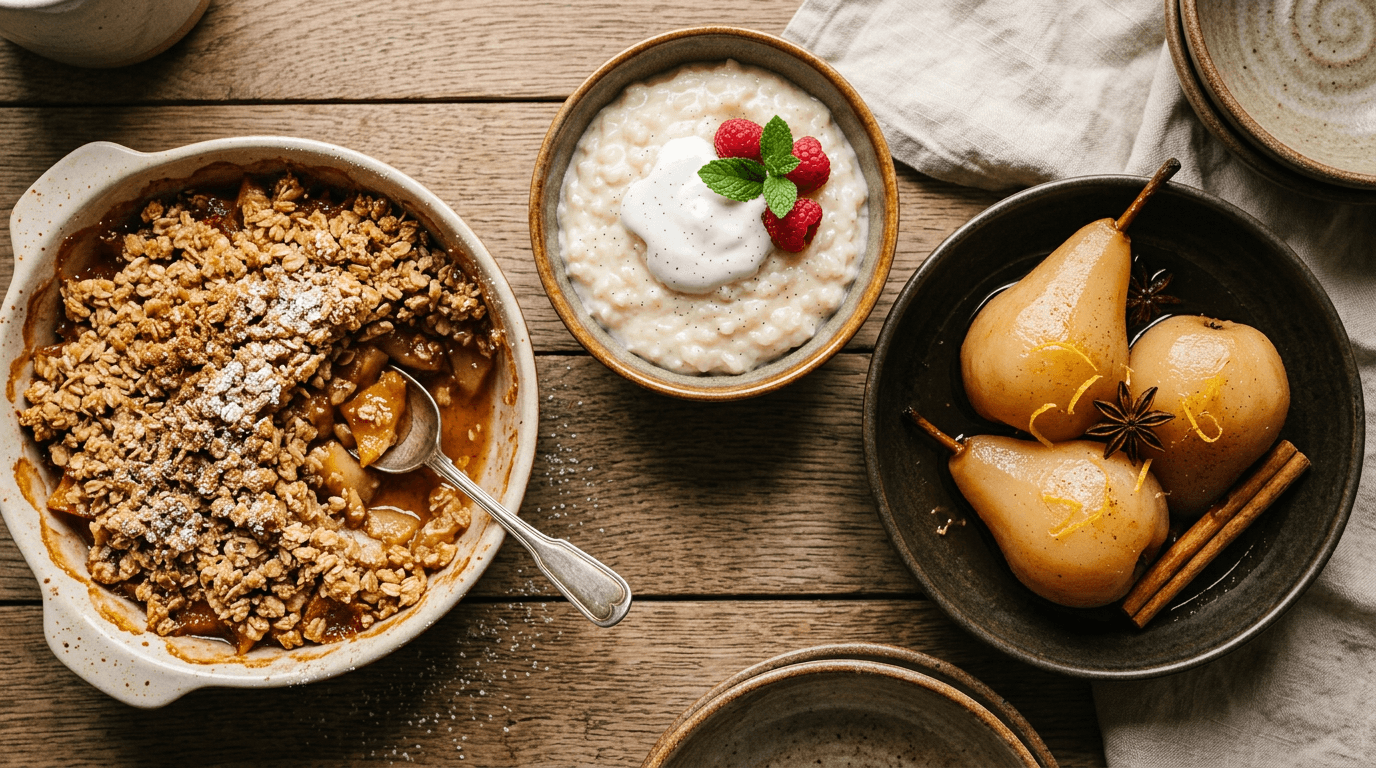
1. Gentle Apple Crumble
This comforting classic is perfect for any season. We're swapping out high-oxalate oats for a light, crisp topping.
- Filling: 4 medium apples (like Honeycrisp or Fuji), peeled, cored, and sliced; 1/4 cup granulated sugar; 1 tsp ground cinnamon; 1 tbsp white rice flour; 1 tbsp lemon juice.
- Topping: 1/2 cup white rice flour; 1/4 cup tapioca starch; 1/4 cup brown sugar; 1/4 tsp salt; 1/4 cup cold butter, cut into small pieces.
Preheat oven to 375°F (190°C). Toss apple slices with sugar, cinnamon, rice flour, and lemon juice. Pour into an 8x8 inch baking dish. For the topping, whisk together rice flour, tapioca starch, brown sugar, and salt. Cut in cold butter with your fingers or a pastry blender until crumbly. Sprinkle evenly over apples. Bake for 35-45 minutes, or until apples are tender and topping is golden brown and bubbly. It's warm, fragrant, and so incredibly satisfying!
2. Creamy Vanilla Rice Pudding
This is a wonderfully simple and soothing dessert that's naturally low in oxalates and incredibly adaptable.
- 1 cup uncooked white rice (short-grain is best); 4 cups milk (dairy or rice milk); 1/2 cup granulated sugar; 1 tsp vanilla extract; pinch of salt.
Combine rice, milk, sugar, and salt in a medium saucepan. Bring to a gentle boil over medium heat, then reduce heat to low and simmer, stirring occasionally, for 25-30 minutes, or until rice is tender and most of the liquid has been absorbed, creating a creamy consistency. Stir in vanilla extract. Serve warm or chilled. You can top it with a few sliced peaches or a drizzle of maple syrup for extra flair!
3. Poached Pears with Cinnamon and Ginger
Elegant, light, and full of flavor, poached pears are a delightful low oxalate option.
- 4 firm pears (like Bosc or Anjou), peeled, cored, and halved; 3 cups water; 1/2 cup granulated sugar; 1 cinnamon stick; 1-inch piece fresh ginger, sliced; 1 tsp vanilla extract.
In a saucepan large enough to hold the pears in a single layer, combine water, sugar, cinnamon stick, and ginger. Bring to a simmer, stirring until sugar dissolves. Add the pear halves, cut-side down. The liquid should mostly cover them; if not, add a little more water. Simmer gently for 15-20 minutes, or until pears are tender when pierced with a knife but still hold their shape. Remove from heat, stir in vanilla. Let cool in the poaching liquid. Serve warm or chilled, perhaps with a dollop of low oxalate whipped cream.
Smart Strategies for Low Oxalate Baking Success
Beyond specific low oxalate dessert recipes, there are some general strategies that can make your baking journey smoother and more enjoyable. These tips will help you feel confident in the kitchen and ensure your sweet treats are both delicious and gentle on your system.
Portion Control is Your Friend
Even with low oxalate ingredients, it's a good idea to practice moderation. Enjoy a reasonable portion of your delicious dessert, rather than overindulging. This helps keep your overall oxalate intake in check and supports a balanced diet.
Pair with Calcium
Remember how oxalates can bind with calcium? You can use this to your advantage! Eating calcium-rich foods alongside your dessert can help. Think about serving your apple crumble with a scoop of dairy-based vanilla ice cream or a dollop of whipped cream. The calcium in these foods can bind with any oxalates present in the dessert, helping to prevent them from being absorbed by your body.
Hydration, Hydration, Hydration!
This might seem obvious, but drinking plenty of water throughout the day is incredibly important, especially if you're managing oxalate levels. Good hydration helps your kidneys flush out waste products, including oxalates, keeping everything moving smoothly.
Read Labels Carefully
When buying pre-made ingredients, always take a moment to read the labels. Sometimes, seemingly innocent products can contain hidden high-oxalate ingredients or additives. Look for simple, whole ingredients whenever possible to ensure your pantry stays low oxalate friendly.
Embrace Experimentation
Don't be afraid to play around with flavors and textures! The world of low oxalate baking is full of possibilities. If a recipe doesn't turn out exactly as planned the first time, don't worry. Each attempt is a learning experience, and you'll soon discover your favorite combinations and techniques.
Your Sweet Path Forward: Practical Takeaways
I know it can feel a little overwhelming when you first start navigating a new dietary approach, especially when it comes to something as beloved as dessert. But I truly believe that with a little knowledge and a lot of creativity, you can absolutely enjoy sweet treats without compromise. The journey to gentle eating is about discovery, not deprivation.
The good news is, you've got this! You're already taking a wonderful step by learning about low oxalate options. Remember, every small change adds up to a big difference in how you feel. Focus on what you can have and celebrate the delicious new flavors you'll discover along the way. This isn't about restriction; it's about empowerment and finding joy in food again.
So, what's your next step? I encourage you to pick just one of these low oxalate dessert recipes or adaptation ideas that sparked your interest. Gather your ingredients, put on some music, and let yourself enjoy the process of creating something delicious and gentle for your body. You deserve to savor every sweet moment!