The Ultimate Guide to a Low Histamine Diet: Understanding, Managing, and Thriving
Tired of mystery symptoms like headaches and rashes? I'll walk you through the low histamine diet, a plan that focuses on fresh, delicious food to help you finally find relief.
What if I told you that your mystery symptoms aren't in your head?
I see you. You're dealing with the headaches, the sudden rashes, the upset stomach, or that frustrating brain fog that comes out of nowhere, and you can't figure out why. You've tried cutting out gluten, dairy, everything under the sun, but the symptoms stick around. Let me tell you about a potential culprit that often flies under the radar: histamine intolerance. It’s a journey I’ve explored deeply, and I want to share what I’ve learned to help you find clarity and, most importantly, relief.
So, what is histamine intolerance, really?
First things first, let's get one thing straight: this isn't a true allergy. It’s more of a plumbing problem. Think of your body having a “histamine bucket.” We all have histamine—it’s a vital compound our body makes to help our immune system, digest food, and even send messages in our brain. We also get histamine from the foods we eat.
Normally, we have an enzyme called diamine oxidase (DAO) that acts like a drain, breaking down the histamine we get from food and keeping our bucket from overflowing. But if you don't produce enough DAO, or if something is blocking it, that bucket can fill up way too fast. When it overflows, you get those frustrating symptoms: hives, itching, headaches, flushing, digestive issues, anxiety, and more. According to researchers, this issue often originates right in our gut.
The good news is that once you understand what’s filling your bucket, you can take control. It’s not about restriction forever; it’s about lowering the histamine load so your body can catch up. A low histamine diet is the most powerful tool we have to do just that.
The three main culprits behind histamine overload
When you're starting a low histamine diet, it helps to think about three categories of problem foods. It’s not just about what’s *in* the food, but also what that food *does* inside your body. Let's break it down.
1. Foods naturally high in histamine
These are the most direct offenders. Histamine is produced by bacteria during aging, curing, and fermenting processes. This means that foods that are aged for flavor or preserved are often the biggest sources of dietary histamine. The longer something sits, the higher its histamine content becomes.
Common high-histamine foods include:
- Aged cheeses: Parmesan, cheddar, brie, goat cheese
- Cured and processed meats: Salami, pepperoni, bacon, prosciutto, hot dogs
- Fermented foods: Sauerkraut, kimchi, kombucha, yogurt, kefir
- Fermented soy: Soy sauce, tamari, miso, natto
- Certain fish: Especially tuna, mackerel, sardines, and mahi-mahi. These are notorious for rapid histamine development if not handled perfectly.
- Alcohol: Red wine is a big one, but also beer and champagne.
- Leftovers: Yes, even safe foods can become high-histamine as they sit in the fridge.
2. Foods that are 'histamine liberators'
This group is a little sneakier. These foods aren't necessarily high in histamine themselves, but they encourage your body’s mast cells to release the histamine you already have stored. They essentially jiggle the handle on your histamine bucket, causing it to spill over.
Watch out for these common liberators:
- Citrus fruits (oranges, lemons, grapefruit)
- Strawberries
- Tomatoes and all tomato products
- Spinach
- Chocolate and cocoa
- Shellfish
- Certain food additives and preservatives
3. Foods that block your DAO enzyme
This is the third piece of the puzzle. Remember that DAO enzyme that acts as your bucket’s drain? Some foods and drinks can actually block it, making it harder for your body to clear histamine. It's like putting a plug in the drain while the faucet is still running.
The main DAO blockers to be aware of are:
- Alcohol: It's a double-whammy, often high in histamine *and* a potent DAO blocker.
- Tea: Both black and green tea can inhibit DAO function.
- Energy drinks: Many contain compounds that interfere with DAO.
- Certain medications: Some common over-the-counter and prescription drugs can affect DAO. It's always a good idea to chat with your doctor or pharmacist about this if you suspect a connection.
Your guide to navigating a low histamine diet
Okay, that might feel like a lot of “no” foods, and I totally get it. It can seem overwhelming at first. But I want to shift your focus from what you *can't* have to the vibrant, delicious world of foods you *can* enjoy. This is about building a new foundation, not about deprivation.
The golden rule: Freshness is everything
If you remember one thing from this guide, make it this: on a low histamine diet, fresh is best. Histamine develops in food over time, and you can't cook it out, freeze it out, or remove it once it's there. Your number one strategy is prevention.
Here’s how to put that into practice:
- Shop for today: Buy your meat, poultry, and fish on the day you plan to cook it. Think of it as an excuse to connect with your food more mindfully.
- Embrace the freezer: If you can't cook it right away, buy it frozen. Flash-frozen fish and meat are fantastic because the freezing process locks in the low histamine level right at the source.
- Thaw with care: Never thaw meat or fish on the counter. The warmer temperature is a breeding ground for histamine-producing bacteria. Instead, thaw it safely in the refrigerator and cook it immediately once it's ready.
- Re-think leftovers: This is a tough habit to break, I know! But leftovers are a major source of histamine. If you have extra food, freeze it in individual portions *immediately* after cooking. Don't let it sit out or hang out in the fridge for days.
Your 'Yes, Please!' low histamine food list
Let's focus on the abundance. Your plate can still be colorful, flavorful, and incredibly satisfying. This isn't an exhaustive list, but it's a fantastic place to start building your low histamine kitchen.
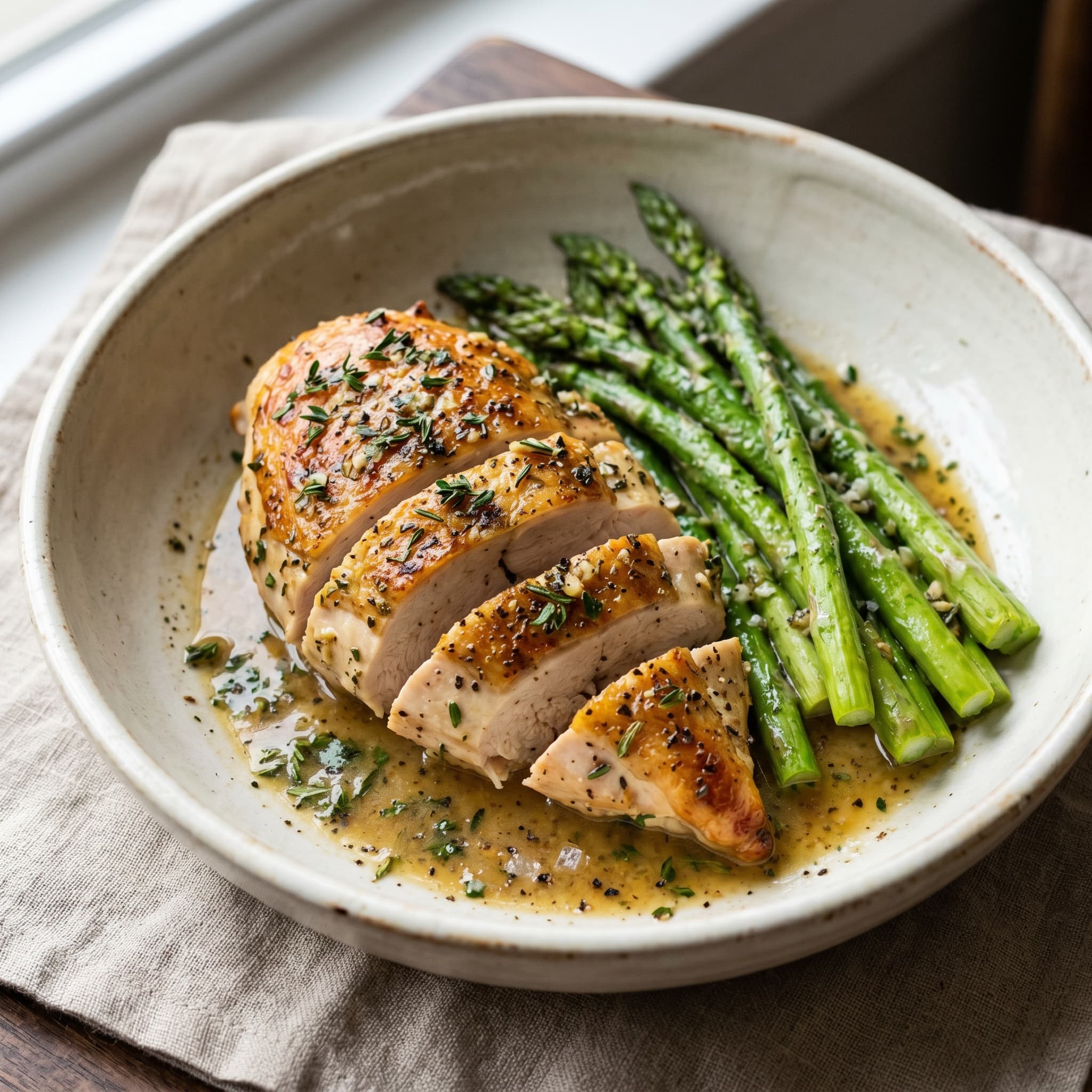
- Freshly cooked proteins: Chicken, turkey, beef, lamb (just be sure it's not aged).
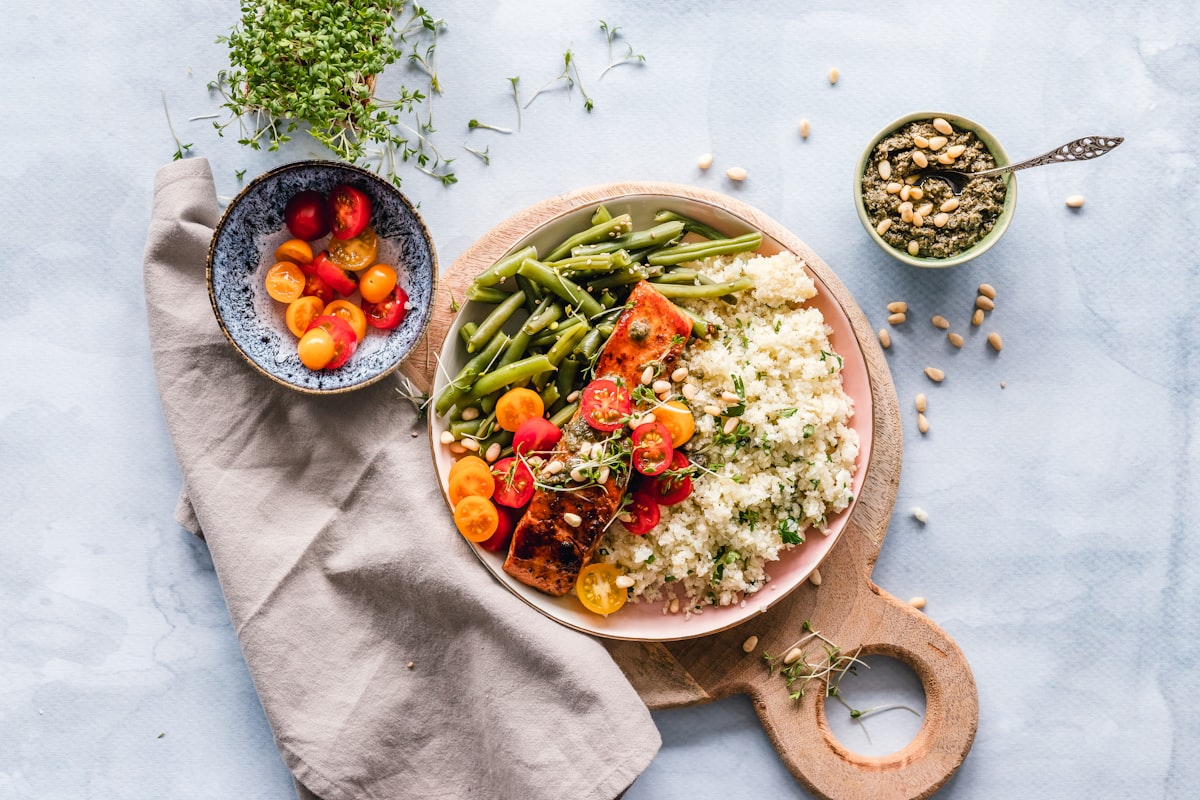
- Low-histamine fish: Look for sashimi-grade or immediately frozen fish like cod, halibut, or trout.
- Eggs: The yolk is generally well-tolerated; some people react to the whites (a histamine liberator), so you may need to experiment.
- Most fresh vegetables: Think broccoli, cauliflower, carrots, cucumbers, bell peppers, zucchini, sweet potatoes, asparagus, and leafy greens (except spinach).
- Low-histamine fruits: Apples, pears, blueberries, mangoes, peaches, and cherries are usually great choices.
- Gluten-free grains: Rice, quinoa, millet, and oats are your friends.
- Healthy fats: Extra virgin olive oil, coconut oil, and macadamia nuts.
- Herbs and spices: Fresh herbs like basil, parsley, cilantro, thyme, and rosemary add amazing flavor without histamine. Turmeric and ginger are also fantastic anti-inflammatory choices.
- Hydration: Water is always best. For a warm drink, try herbal teas like chamomile, peppermint, or ginger.
The 'Approach with Caution' list
During the initial phase of your low histamine diet (often 4-6 weeks), it's best to avoid the following foods to give your body a real chance to calm down and lower your histamine bucket.
- All aged, cured, smoked, and processed meats
- All aged cheeses
- All fermented foods and drinks (sauerkraut, kimchi, kombucha, yogurt)
- High-histamine fish (tuna, mackerel, sardines) and all shellfish
- High-histamine vegetables (tomatoes, spinach, eggplant, avocado)
- High-histamine/liberator fruits (citrus, strawberries, bananas, pineapple)
- Dried fruit
- Nuts like walnuts and cashews
- Chocolate and cocoa
- Vinegars (except apple cider vinegar, which some tolerate)
- Alcohol, tea, and energy drinks
Remember, this isn't forever! The goal is to reintroduce foods one by one later on to see what *your* personal tolerance level is.
Beyond the plate: Lifestyle support for happy histamine levels
Managing histamine intolerance isn't just about the food you eat. Your overall wellness plays a huge role in how well your body manages its histamine load. Think of these as powerful allies on your journey.
Supercharge your diet with natural support
Certain nutrients can be incredibly helpful. Research has shown that some vitamins and plant compounds can help stabilize mast cells (making them less likely to release histamine) or even support DAO function.
- Quercetin: This is a powerful plant flavonoid that acts as a natural antihistamine. You can find it in foods like red onions, apples (with the skin), broccoli, and blueberries.
- Vitamin C: A well-known immune supporter, Vitamin C also helps break down histamine. Since citrus is out for now, get your fill from bell peppers, broccoli, and kale.
- DAO-supporting nutrients: Your body needs specific nutrients to produce the DAO enzyme, including Vitamin B6, copper, and zinc. Eating a varied diet of fresh, whole foods is the best way to get them.
Heal the gut, help the histamine
There's a deep connection between gut health and histamine intolerance. As research from institutions like the National Center for Biotechnology Information highlights, a significant amount of your DAO enzyme is produced in the lining of your small intestine. If your gut lining is damaged or inflamed, your DAO production can plummet.
Supporting your gut means avoiding things that can cause damage, like ultra-processed foods filled with emulsifiers and artificial sweeteners. It also means nourishing your gut with plenty of fiber from low-histamine vegetables and fruits. A healthy gut is a cornerstone of a happy histamine balance.
Manage stress and sleep
Have you ever noticed you get hives when you're really stressed? That's not a coincidence. Stress triggers the release of cortisol, which in turn can signal your mast cells to release histamine. It's a vicious cycle.
Prioritizing stress management is non-negotiable. Whether it's a gentle walk, meditation, deep breathing, or just five minutes of quiet time, find what works for you. Quality sleep is just as important, as it's when your body does its most important repair work.
Putting it all together: A sample low histamine day
I know this is a lot of information, so let's make it real. What does a day of eating on a low histamine diet actually look like? It's more delicious than you might think.
- Breakfast: A warm bowl of oatmeal made with water or coconut milk, topped with fresh blueberries and a sprinkle of pumpkin seeds.
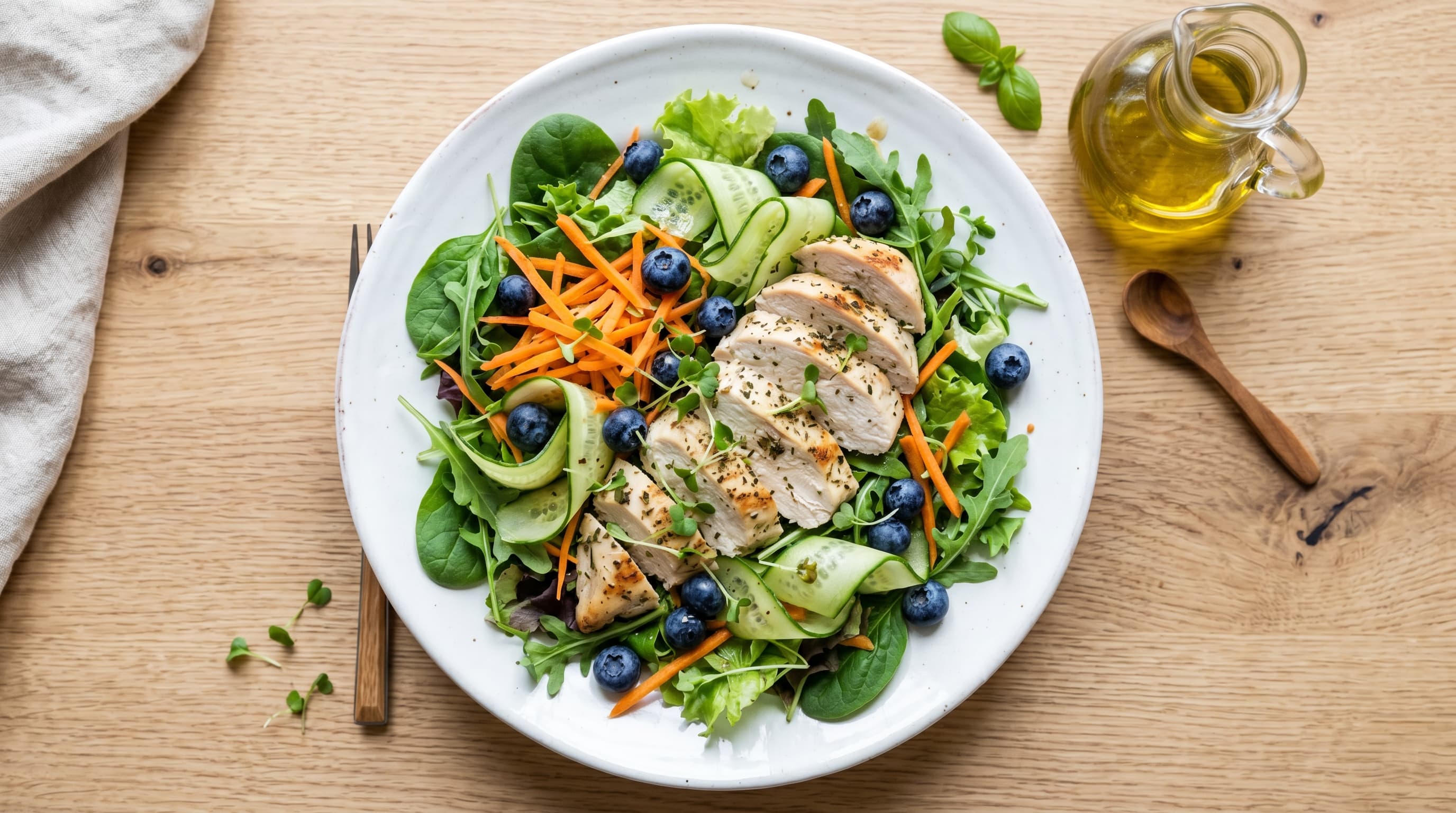
- Lunch: A big, colorful salad with grilled chicken, sliced cucumber, shredded carrots, bell peppers, and a simple dressing of olive oil and a pinch of salt.
- Dinner: This is a perfect time to try a recipe that's designed to be safe and delicious, like our Vibrant Low-Histamine Vegetable Stir-fry. It’s packed with fresh bok choy, carrots, and snow peas, and it comes together in under 30 minutes. It's proof that low histamine can be fast and flavorful.
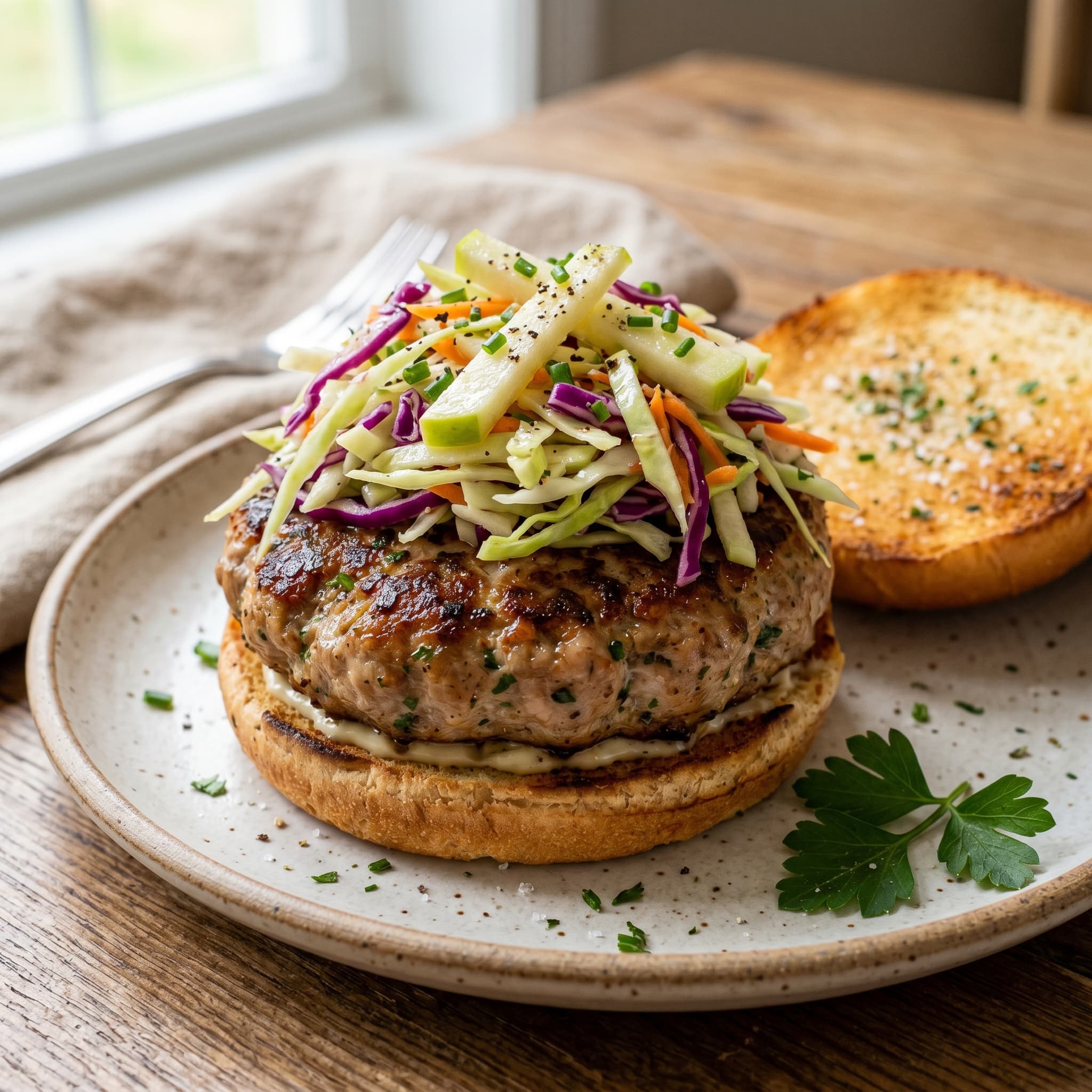
- Snack: A crisp apple or a few slices of mango. If you're craving something more savory, our Herbed Rice Patties with Fresh Fruit Salad are a fantastic option that's designed with freshness in mind.
See? It's all about focusing on fresh, simple, whole ingredients. You can do this!
You've got this, one fresh meal at a time
Navigating a low histamine diet is a journey of discovery. It's about listening to your body, maybe for the first time in a long time. It will take patience and a bit of planning, but the feeling of waking up without a headache, or getting through a day without mysterious hives, is worth every bit of effort.
You're not just cutting things out; you're actively choosing to nourish your body in a way that allows it to heal. So be kind to yourself. There will be a learning curve, and that's okay. Your one small step for today? Just focus on your next meal. Make it as fresh as you possibly can. That’s it. You’re already on your way.