Understanding The Difference: Histamine Releasing Foods Vs. High Histamine Foods
Confused about histamine intolerance? I'm here to clarify the difference between high histamine foods and histamine releasers, so you can navigate your diet with confidence and ease.
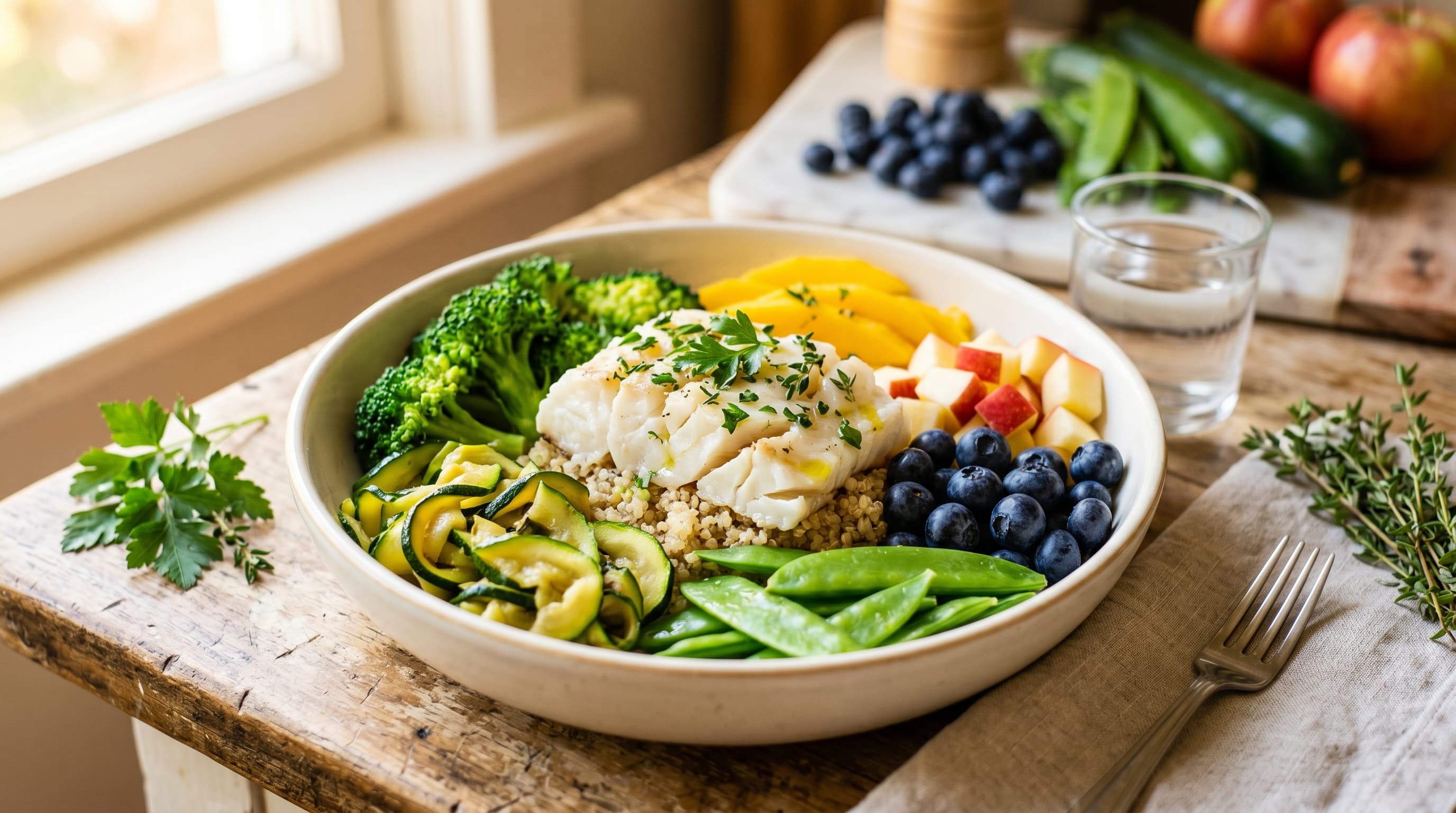
Understanding the Difference: Histamine Releasing Foods vs. High Histamine Foods
Dealing with food sensitivities can feel like navigating a maze, can't it? Especially when you're trying to figure out what's causing those uncomfortable symptoms like headaches, skin issues, or digestive upset.
If you've been looking into histamine intolerance, you've probably come across terms like "high histamine foods" and "histamine releasers," and honestly, it's easy to get them mixed up. I totally get how confusing that can be!
But don't worry, I've done a deep dive into this, and I'm here to break it down for you. The good news is, once you understand the difference, you'll feel much more empowered to make choices that support your well-being.
The Histamine Conundrum: What's Happening in Your Body?
First things first, let's talk about histamine. It's not inherently bad; it's a natural compound your body makes, and it plays some really important roles. Think of it as a busy messenger involved in your immune system, digestion, and even your brain function.
The trouble starts when you have too much histamine, or when your body isn't able to break it down quickly enough. Your body has a superhero enzyme called Diamine Oxidase (DAO) that's primarily responsible for breaking down histamine you ingest from food. Research out of Monash University and other institutions highlights how crucial DAO is for managing histamine levels in your gut. If your DAO isn't working efficiently, or if you're simply overwhelming it with too much histamine, that's when you might start feeling those unwelcome symptoms.
It's like a bucket filling up: if you're pouring water in faster than the drain can handle, the bucket overflows. That overflow is what we experience as histamine intolerance symptoms.
High Histamine Foods: The Accumulators
These are the foods that *already contain* a significant amount of histamine when you eat them. Histamine forms in these foods through a natural process, often involving bacteria. Think of it as a byproduct of fermentation, aging, or even just spoilage.
The longer a food sits, ferments, or ages, the more histamine it can accumulate. This is why freshness is such a big deal when you're managing histamine.
Here are some of the usual suspects:
-
Aged and Fermented Foods: This is a big category! We're talking about aged cheeses (like Parmesan, Brie, cheddar), fermented dairy (yogurt, kefir, buttermilk), sauerkraut, kimchi, kombucha, vinegar, soy sauce, and even fermented meats like salami and pepperoni. Source 3 mentions aged and fermented foods are generally high in histamine.
-
Cured and Smoked Meats: Things like bacon, hot dogs, prosciutto, and jerky can be high in histamine due to their processing.
-
Certain Fish: Tuna, mackerel, sardines, anchovies, and mahi-mahi are particularly known for histamine accumulation, especially if they're not handled perfectly fresh. Source 1 advises checking fish carefully and avoiding anything that smells "fishy."
-
Alcoholic Beverages: Red wine, champagne, and beer can be high in histamine, partly due to fermentation. Source 2 specifically notes red wine can have high histamine levels.
-
Leftovers: This is a really important one! Histamine levels in food can increase significantly even when refrigerated. Fresh chicken, for example, starts with minimal histamine, but after just 24-48 hours in the fridge, those levels can rise substantially, potentially triggering symptoms in sensitive individuals. Source 2 gives a great example of this.
Why Freshness Really Matters
Here's a key takeaway: once histamine has formed in a food, you can't get rid of it. Cooking, freezing, or canning won't destroy it. That's why prevention through freshness is your best strategy. Source 1 clearly states that histamine cannot be destroyed once it has formed.
Histamine Releasers: Triggering Your Own Stores
Now, this is where things get a little different. Histamine releasers aren't necessarily high in histamine themselves. Instead, they act like little messengers that tell your body to *release its own stored histamine* from mast cells.
It's like a domino effect: you eat a releaser, your body says, "Hey, let's open the histamine floodgates!" and then you've got an excess of histamine circulating, leading to symptoms.
Common histamine releasers include:
-
Citrus Fruits: Oranges, lemons, grapefruit.
-
Strawberries, Tomatoes, Spinach: These are often surprising culprits for many people.
-
Egg Whites: Specifically the whites, not usually the yolks.
-
Shellfish: Crab, lobster, shrimp, mussels.
-
Chocolate and Cocoa: A tough one for many of us, I know!
-
Certain Food Additives: Sulfites, benzoates, and tartrazine can also act as releasers. Source 1 lists several of these.
DAO Blockers: Hindering Your Body's Cleanup Crew
To make things even more interesting, there's another group of substances that can cause trouble: DAO blockers. These don't add histamine to your system, nor do they directly cause your body to release its own. What they do is inhibit or slow down the activity of that amazing DAO enzyme we talked about earlier.
If your DAO isn't working as efficiently as it should, then even a moderate amount of histamine from food can become too much for your body to handle. It's like partially plugging the drain of that histamine bucket, making it overflow even faster.
Key DAO inhibitors include:
-
Alcohol: Especially red wine and beer, which are double-whammy offenders because they can also be high in histamine themselves. Source 1 and Source 2 both point out alcohol's DAO-blocking effects.
-
Black Tea and Green Tea: Some sources indicate these can inhibit DAO for sensitive individuals. Source 1 mentions this.
-
Energy Drinks: Often contain compounds that can interfere with DAO.
-
Some Medications: Certain NSAIDs, antibiotics, and antidepressants can also inhibit DAO activity. Always check with your doctor or pharmacist if you're concerned about medications.
Putting It All Together: Your Practical Guide to Eating Well
Okay, so we've covered the different ways histamine can become an issue. It might feel like a lot to take in, but the good news is, you've got power over this! Understanding these distinctions is the first step toward feeling better and enjoying food again.
The key isn't necessarily to cut out *everything* that's ever been linked to histamine; it's about learning what *your* body tolerates and focusing on strategies that minimize histamine exposure.
Your Freshness Action Plan
For high histamine foods, your superpower is freshness and careful storage:
-
Buy Fresh, Cook Immediately: Whenever possible, buy meat and fish the day you plan to cook them. Flash-frozen fish, for instance, is often a fantastic choice because it locks in low histamine levels right at the source. Source 1 and Source 2 emphasize this.
-
Thaw Safely: Always thaw frozen foods in the refrigerator, not at room temperature, and cook them as soon as they're thawed. Don't refreeze once thawed.
-
Avoid Leftovers or Freeze Them Immediately: Cooked food left at room temperature for even a couple of hours can accumulate significant histamine. If you absolutely must save leftovers, portion them out and freeze them within 30 minutes of cooking. Source 1 gives this practical guideline.
-
Choose Fresh Over Canned: Fresh or frozen vegetables and fruits generally have much lower histamine levels than their canned or jarred counterparts.
For histamine releasers and DAO blockers, it's more about identifying your personal triggers. You might find you can tolerate small amounts of some releasers, or that certain DAO blockers affect you more than others. It's truly a journey of self-discovery, often best done with the guidance of a healthcare professional.
When you're focusing on a low-histamine approach, you'll want to lean into foods that are naturally low in histamine and celebrated for their freshness:
-
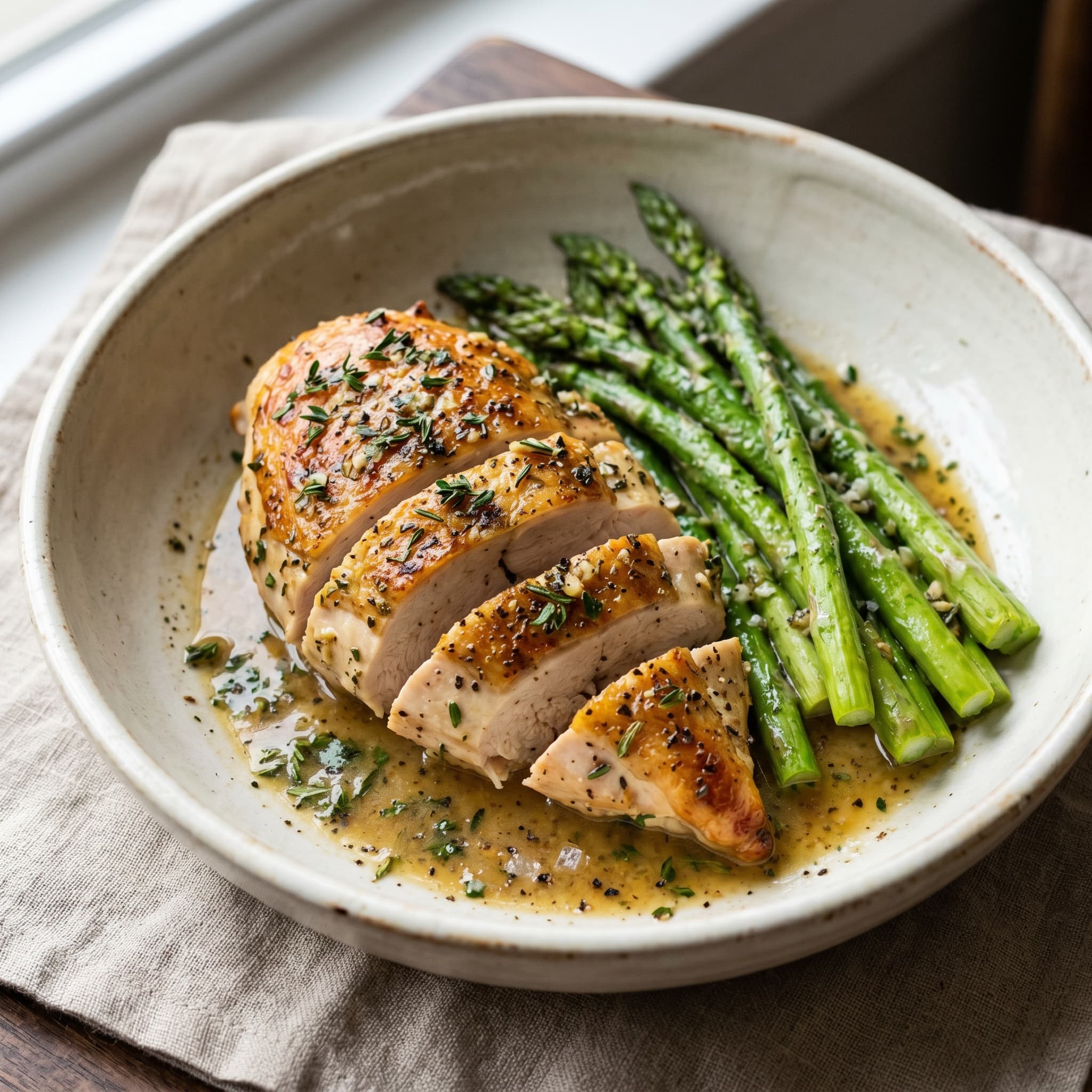
Fresh Proteins: Freshly cooked chicken, turkey, beef, lamb, and white fish (like cod, tilapia, halibut) are wonderful. Our Pan-Seared White Fish with Roasted Sweet Potatoes and Zucchini recipe is a perfect example, prioritizing flash-frozen fish and quick cooking.
-
Grains: Rice, quinoa, and oats are generally well-tolerated. Our Herbed Rice Patties with Fresh Fruit Salad use long-grain rice and fresh herbs for a delicious, compliant meal.
-
Vegetables: Most fresh vegetables are your friends! Think broccoli, cauliflower, carrots, cucumber, bell peppers, zucchini, green beans, sweet potatoes, and lettuce. Our Fresh Herb Tofu & Snow Pea Stir-Fry packs in fresh snow peas, broccoli, carrots, and bok choy.
-
Fruits: Apples, pears, peaches, melon, grapes, mango, and blueberries are usually safe bets. You'll find blueberries and mango in our Herbed Rice Patties recipe!
-
Healthy Fats: Olive oil and coconut oil are great choices.
-
Herbs & Spices: Most fresh herbs like parsley, cilantro, basil, rosemary, and thyme are wonderful for adding flavor without worry. Source 2 lists many of these as low histamine.
Remember, this isn't about restriction as much as it is about *rebalancing* and finding what truly nourishes your body without causing distress. It's a journey, not a sprint, and every small step you take toward understanding your body better is a huge win.
You've got this! Start by focusing on ingredient freshness in your next meal, and notice how that simple change makes you feel.