Indulge Gently: Delicious Low Oxalate Desserts and Sweet Treats
Discover how to enjoy delicious sweet treats while managing oxalate intake! I'll share my favorite low oxalate ingredient swaps and smart baking tips so you can indulge gently and happily.
Indulge Gently: Delicious Low Oxalate Desserts and Sweet Treats
It can feel really frustrating when you're trying to manage your health, perhaps navigating something like kidney stones or another oxalate sensitivity, and suddenly all your favorite sweet treats seem off-limits. You might wonder if you'll ever enjoy a comforting dessert again without worrying about every single ingredient. I completely get it – everyone deserves a little sweetness in their life! The good news is, you absolutely can enjoy delicious desserts while keeping oxalates in check. It's all about making smart, simple swaps, and I'm here to show you how.
What's the Deal with Oxalates and Why Do They Matter for Desserts?
You've probably heard the term "oxalate" thrown around, especially if you're exploring dietary adjustments for kidney stone prevention or other sensitivities. In simple terms, oxalates are natural compounds found in many plants, and they're not inherently "bad." For most people, consuming oxalates isn't an issue at all. However, if you're prone to certain types of kidney stones, or if your body has trouble processing them, too many oxalates can cause discomfort or contribute to stone formation.
When we think about desserts, many traditional ingredients like dark chocolate, nuts, and certain fruits can be surprisingly high in oxalates. But don't despair! It just means we need to get a little creative and choose ingredients that are naturally lower in these compounds. It's less about deprivation and more about delicious discovery.
Decoding Your Dessert Ingredients: Smart Swaps for Low Oxalate Baking
Let's talk about the building blocks of your favorite sweet treats. You'd be surprised how many delicious alternatives are out there once you know what to look for!
Flours and Grains
When you're baking, the flour you choose makes a big difference.
- Embrace these: All-purpose flour, white rice flour, and quick-cooking oats are generally low in oxalates. If you're looking for a gluten-free option, white rice flour blended with oat flour can be a fantastic base, I've found.
- Be mindful of these: Almond flour, while popular in gluten-free baking, is quite high in oxalates. Wheat germ and buckwheat flour also tend to be higher.
Sweeteners
Most common sweeteners are naturally low oxalate, which is great news!
- Sweet success: Granulated sugar, brown sugar, maple syrup, and honey are all excellent choices.
Fats and Dairy
Good news here! Many dairy products and fats are low in oxalates.
- Dairy delights: Butter, cream, cream cheese, milk (dairy milk is actually helpful because of its calcium content!), and plain yogurt are generally low oxalate. They also add wonderful richness and texture to desserts.
- Oils: Most cooking oils like safflower oil are low in oxalates.
Fruits: Nature's Candy, with a Caveat
Fruits can be a tricky one, as some are quite high in oxalates. But many are perfectly fine and add natural sweetness and moisture.
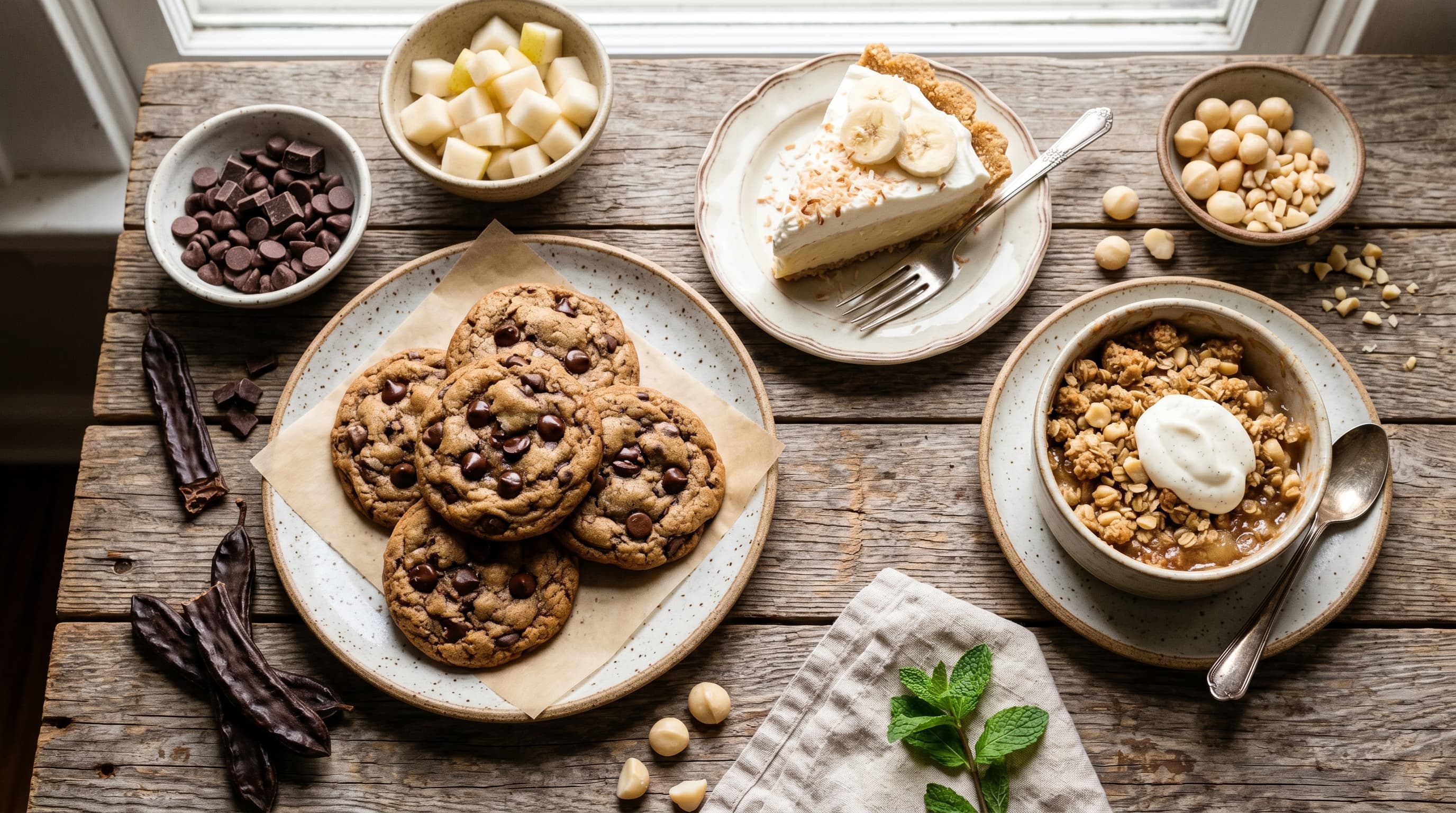
- Fruity friends: Bananas, peeled pears, peaches, mangoes, and melons are wonderful low oxalate choices for desserts.
- Proceed with caution: Berries like raspberries, blackberries, and even blueberries (in larger quantities) can be higher in oxalates. Rhubarb is also quite high. So, when a recipe calls for berries, consider a swap to a low oxalate fruit compote instead!
Chocolate... or Not?
This is often the biggest hurdle for dessert lovers! Dark chocolate and cocoa powder are notoriously high in oxalates due to their cocoa content.
- Your new chocolatey friend: Carob! Carob powder is a fantastic low oxalate alternative to cocoa powder, and carob chips can stand in for chocolate chips – it's something I've learned makes a huge difference! It has a naturally sweeter, slightly maltier flavor and no caffeine. You can substitute it 1:1 in most recipes, though you might want to slightly reduce other sweeteners since it's naturally sweeter.
- Another great swap: White chocolate contains no cocoa solids, making it an oxalate-free option for chips, drizzles, or even bark.
Nuts and Seeds
Many nuts are quite high in oxalates, which can be a bummer for crunchy toppings or flour alternatives.
- Nutty nuances: Macadamia nuts and coconut (flakes or shredded) are your best bets for low oxalate crunch and flavor.
- Limit or avoid: Almonds, walnuts, pecans, and peanuts are generally higher in oxalates. If a recipe calls for peanut butter, you might try sunflower seed butter in moderation.
Smart Baking Strategies for Delicious Low Oxalate Desserts
It's not just about what you use, but how you use it! A few clever baking techniques can make your low oxalate desserts even more friendly to your system.
Pairing with Calcium
This is a super helpful trick! Calcium can bind with oxalates in your gut before they're absorbed into your bloodstream. This means adding calcium-rich ingredients to your baked goods can help reduce the overall oxalate impact.
- Think dairy: Use dairy milk instead of plant milks in your recipes.
- Creamy additions: Incorporate ingredients like cream cheese or full-fat yogurt into your batters.
- Serve it up: Consider serving your low oxalate dessert alongside a glass of milk or a dollop of yogurt.
Cooking Techniques for Ingredients
While you won't typically boil your cake batter, some ingredients you might use in a dessert (like grains or certain nuts if you were processing them yourself) can benefit from specific preparation methods.
- Boiling and soaking: For ingredients like rice or legumes that might be part of a dessert (think rice pudding!), boiling or soaking them and then discarding the water can significantly reduce their oxalate content. This is because soluble oxalates can actually leach out into the water, which is a neat trick! Remember, always discard that soaking or cooking water!
Your Go-To Low Oxalate Dessert Swaps for Every Craving
Let's get practical! Here are some easy ways to adapt your favorite types of desserts to be low oxalate.
For Muffins and Quick Breads
- Swap almond flour for a blend of white rice flour and oat flour.
- Use mashed banana or peeled apple puree for moisture and sweetness.
- Replace dark chocolate chips with carob chips or white chocolate chips.
- Add macadamia nuts or shredded coconut for texture instead of almonds or walnuts.
For Cookies
- All-purpose flour or a white rice flour blend works beautifully.
- Carob chips are your perfect stand-in for chocolate chips.
- Coconut flakes can give you that satisfying chew without high oxalates.
- If a recipe calls for peanut butter, sunflower seed butter can be a moderate alternative, but remember to enjoy it in smaller amounts.
For Cheesecakes and Creamy Desserts
- You're in luck! Most cheesecakes are naturally low oxalate thanks to cream cheese, eggs, and sugar.
- Instead of high-oxalate berry toppings, try a compote made from peaches, mangoes, bananas, or peeled pears.
For Cakes and Cupcakes
- Standard cake recipes using white or all-purpose flour, butter, eggs, milk, and sugar are usually low oxalate to begin with.
- To make a "chocolate" cake, simply use carob powder instead of cocoa powder.
- Skip the walnut add-ins and opt for macadamia nuts or coconut for that extra something.
Delightful Low Oxalate Dessert Recipes to Inspire You
Now that you've got the knowledge, let's talk about some truly delicious ways to put it into practice! You don't have to reinvent the wheel; many recipes are already wonderfully low oxalate or just need a tiny tweak.
I'm so excited about recipes like our German Baked Bananas with Creamy Rice Pudding. It's a comforting, naturally sweet dish that's already low oxalate and low salicylate, making it a fantastic option if you're navigating multiple sensitivities. The creamy rice pudding combined with tender baked bananas is just heavenly.
Another lovely idea, if you're not specifically avoiding salicylates, is our Peeled Pear and Oat Crumble. While it was originally crafted with low salicylate needs in mind, many of its core ingredients—peeled pears, unbleached flour, oats, butter—are also low oxalate. You could easily enjoy this warm, cozy dessert as part of your low oxalate journey.
You can also look for recipes that feature naturally low oxalate ingredients as their stars. Think about:
- Vanilla Pudding or Custard: Simple, creamy, and wonderfully satisfying.
- Apple Crisp (with peeled apples): A classic comfort food that's easy to make low oxalate.
- Sugar Cookies or Shortbread: These simple beauties are often naturally low in oxalates.
- Coconut Macaroons: Coconut is a great low oxalate ingredient for a chewy, sweet treat.
- Lemon Bars: The tangy sweetness of lemon is a perfect oxalate-friendly flavor.
A Final Sweet Thought
You don't have to say goodbye to dessert forever just because you're managing oxalates. It's truly amazing how many delicious possibilities open up when you understand a few key swaps and strategies. Remember, this journey is all about feeling good and finding joy in your food. Start small, try one new low oxalate dessert recipe this week, and savor every gentle, delightful bite. You've got this!