Simplify Your Week: A 7-Day Low Oxalate Meal Plan for Gentle Eating
Feeling overwhelmed by low oxalate eating? I've crafted a simple 7-day meal plan to help you eat gently, deliciously, and with confidence. Discover easy recipes and practical tips to soothe your system.
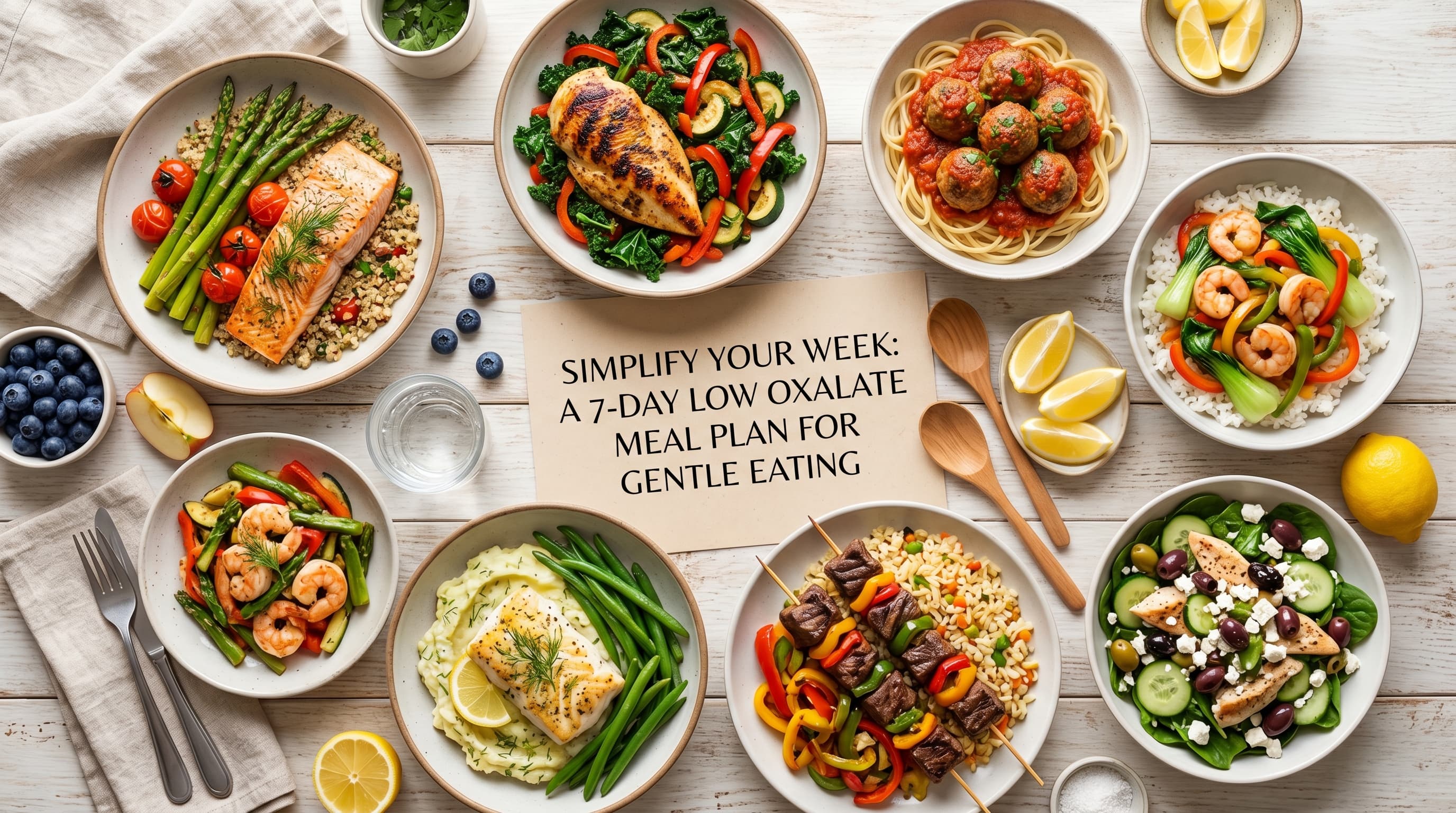
Simplify Your Week: A 7-Day Low Oxalate Meal Plan for Gentle Eating
Feeling overwhelmed by dietary changes can be really frustrating, especially when it feels like everything you love is suddenly off-limits. You're trying to feel better, but navigating the nuances of food tolerance, like understanding oxalates, can feel like a full-time job. It's easy to get lost in all the information, isn't it?
The good news is, you don't have to figure it all out alone! I've been looking into this for you, and I've put together a simple, gentle 7-day low oxalate meal plan. My hope is that it'll take some of the guesswork out of your week, helping you enjoy delicious food that supports your body, without the stress.
Understanding Oxalates: What's the Big Deal?
Let's chat about oxalates for a moment. They're natural compounds found in many plants, and for most people, they don't cause any trouble at all. Your body processes them, and you're good to go! However, for some of us, our bodies don't handle oxalates as efficiently. This can lead to a build-up that might contribute to things like kidney stones or various types of discomfort.
It's not about these foods being "bad" – it's about *your* unique body's tolerance. The goal with a low oxalate approach isn't usually to cut them out entirely, but rather to find a level that works for you, often aiming for around 50-100 mg per day. It's about finding that sweet spot where you feel your best.
Research out of institutions like the Journal of Agricultural and Food Chemistry and Springer has helped us understand how oxalates work and how we can manage them through our diet. It's all about making informed choices that feel good to *you*.
Easing In: The Gentle Transition Protocol
Here's something really important I want to share: when you're reducing oxalates, it's *so* important to go slowly. Suddenly cutting out high oxalate foods can sometimes lead to something called "oxalate dumping," where your body releases stored oxalates too quickly, potentially causing discomfort. We definitely don't want that!
Think of it as a gentle stroll, not a sprint. Here's a smart, gradual way to ease into a low oxalate lifestyle, based on expert recommendations:
Week 1-2: Awareness Phase
- For these first couple of weeks, don't change a thing about what you're eating! Instead, just become a detective.
- Track your current oxalate intake. Just jot down what you're eating and try to get a sense of the highest oxalate foods in your diet.
- The idea here is just to *notice* without judgment.
Week 3-4: First Reductions
- Now that you know your biggest oxalate contributors, pick just one to swap out.
- Replace it with a lower oxalate alternative. This is about a small, gentle step, aiming for maybe a 10-15% overall reduction.
- Pay attention to how you feel. Your body will give you clues!
Week 5-8: Continued Reduction
- If you're feeling good, add one more swap per week.
- Continue to reduce your total oxalate intake gradually, perhaps another 5-10% weekly.
- This is also a great time to really focus on hydration. Drinking plenty of water is incredibly helpful when managing oxalates.
Week 9-12: Maintenance
- By this point, you'll likely have reached a comfortable target level, perhaps around 50-100 mg/day.
- Now, you're just stabilizing your new eating patterns. Keep tracking your symptoms to ensure you're maintaining that comfortable balance.
Long-Term: Flexibility and Gut Health
- Remember, this isn't forever! Over time, you might find you can reintroduce some oxalate foods in moderation.
- Focusing on overall gut health is super important, as a healthy gut can sometimes help you tolerate oxalates better.
- Always feel empowered to work with a practitioner to personalize this journey for your unique needs.
The good news is, this gentle approach helps your body adapt smoothly, making the whole process much more comfortable and sustainable. You've got this!
Your Low Oxalate Pantry: Everyday Heroes
You might be wondering, "What *can* I eat?" The answer is: a lot! You'll be delighted by how many delicious foods are still on the menu. Building a low oxalate pantry is actually simpler than it sounds when you know which staples to reach for. Here are some of your "always safe", very low oxalate favorites to stock up on:
-
Proteins: All meats, fish, poultry, eggs, and most cheeses are wonderfully low in oxalates. Think grilled chicken, baked cod, scrambled eggs, or a slice of cheddar.
-
Vegetables: You've got so many vibrant choices! Kale, cabbage, cauliflower, cucumber, lettuce, mushrooms, onions, and bell peppers are fantastic. Zucchini is another great option.
-
Fruits: Enjoy apples, bananas, grapes, melons (like cantaloupe and watermelon), cherries, peaches, pears, and strawberries. They're all lovely and low oxalate.
-
Grains: White rice, white bread, and corn tortillas are your friends here. Even oatmeal (rolled, not instant) is generally a good choice.
-
Nuts/Seeds: Macadamia nuts, walnuts, pecans, pumpkin seeds, and flaxseeds are all great options for a little crunch.
-
Beverages: Water, milk, herbal teas, apple juice, and lemonade are all safe sips.
See? There's a whole world of flavor waiting for you. It's about focusing on abundance, not restriction!
Nora's 7-Day Low Oxalate Meal Plan
This 7-day low oxalate meal plan is designed to keep your daily oxalate intake well under 50 mg, offering a gentle starting point. It's a template, so feel free to mix and match or adjust based on your preferences and what you have on hand!
Day 1
- Breakfast: Veggie Cheese Omelet (~5 mg)
- Lunch: Chicken salad on butterhead lettuce cups with a light olive oil dressing (~10 mg)
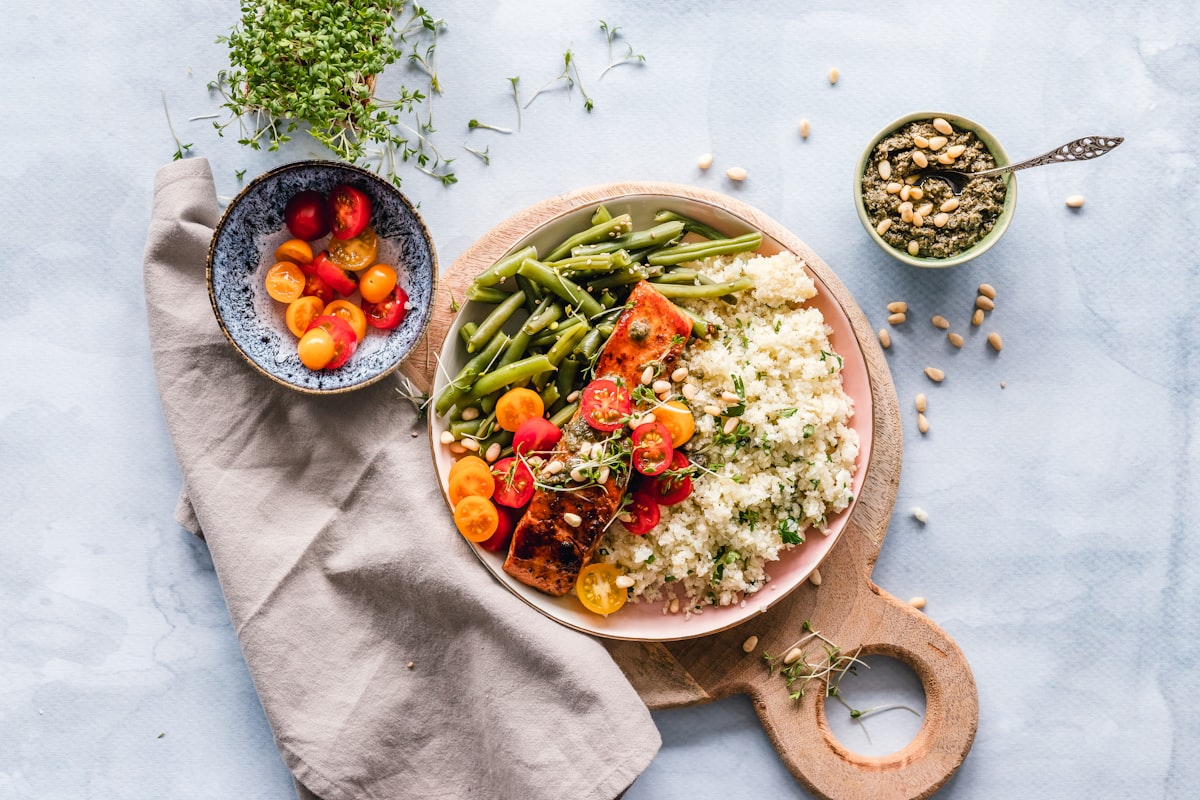
- Dinner: Baked salmon with roasted asparagus and white rice (~15 mg)
- Daily Total: ~30 mg
Day 2
- Breakfast: Scrambled eggs with a side of sliced cantaloupe (~7 mg)
- Lunch: Turkey and Swiss cheese slices rolled in large lettuce leaves (~8 mg)
- Dinner: Pork chops with mashed potatoes (peeled) and steamed green beans (~18 mg)
- Daily Total: ~33 mg
Day 3
- Breakfast: Banana Walnut Oatmeal (~15 mg)
- Lunch: Leftover pork chops and green beans (~8 mg)
- Dinner: Ground beef stir-fry with bell peppers, onions, and white rice (~12 mg)
- Daily Total: ~35 mg
Day 4
- Breakfast: Plain Greek yogurt with sliced peaches (~8 mg)
- Lunch: Tuna salad on romaine lettuce with lemon dressing (~6 mg)
- Dinner: Lemon herb chicken with white rice pilaf and steamed broccoli (blanched first) (~18 mg)
- Daily Total: ~32 mg
Day 5
- Breakfast: Pancakes with butter and maple syrup, side of scrambled eggs (~8 mg)
- Lunch: Grilled cheese sandwich with tomato soup (low-sodium, check brand) (~15 mg)
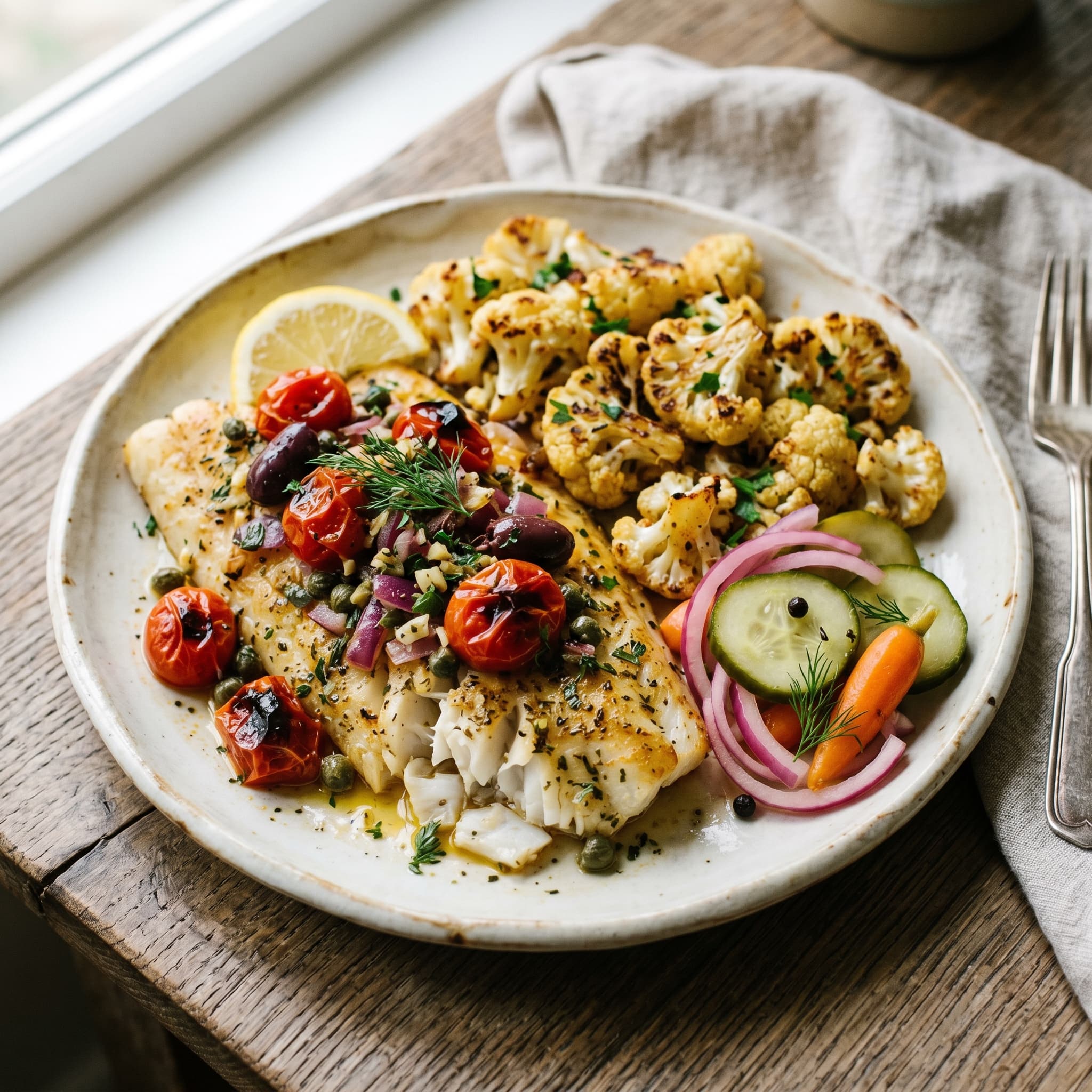
- Dinner: Baked cod with roasted cauliflower and kale salad (massaged with olive oil) (~10 mg)
- Daily Total: ~33 mg
Day 6
- Breakfast: Smoothie with kale, banana, mango, and coconut milk (~12 mg)
- Lunch: Chicken Caesar wrap in corn tortilla (~8 mg)
- Dinner: Grilled steak with baked potato (peeled, boiled first) and cabbage slaw (~20 mg)
- Daily Total: ~40 mg
Day 7
- Breakfast: Eggs Benedict on English muffin with hollandaise (skip spinach) (~12 mg)
- Lunch: Split pea soup with crusty white bread (~10 mg)
- Dinner: Roasted chicken with mashed turnips and sauteed mushrooms (~10 mg)
- Daily Total: ~32 mg
Weekly Average: ~33 mg/day (well under 50 mg target)
This plan is designed to be gentle and introduce you to a wide variety of delicious, low oxalate options. For lunch, you might also love our Low-Oxalate Cauliflower Tabbouleh Bowls, a Middle Eastern-inspired dish featuring riced cauliflower, fresh herbs, and a zesty lemon-olive oil dressing. It's a fantastic, refreshing alternative!
Smart Swaps & Cooking Tips for a Low Oxalate Kitchen
Making small, clever changes in your kitchen can make a huge difference in managing oxalates. It's about making choices that add up to a more comfortable eating experience.
Clever Food Swaps
Sometimes, just one ingredient swap can significantly reduce the oxalate content of a meal without sacrificing flavor:
- Instead of spinach, try kale or bok choy in your salads or stir-fries.
- Swap rhubarb crumble for a delicious apple crumble.
- Choose herbal or green tea over black tea.
- If you love grain bowls, try a white rice bowl instead of a quinoa bowl.
- Craving fries? Make carrot or zucchini fries instead of sweet potato fries.
- For a sweet treat, a light vanilla panna cotta can be a wonderful alternative to chocolate mousse.
Cooking Methods That Help
How you prepare your food can also impact its oxalate content. Research from the International Journal of Food Sciences and Nutrition has shown that certain cooking methods can actually reduce oxalates:
- Boiling: Boiling vegetables, especially leafy greens, and then discarding the cooking water, can reduce their oxalate content. For example, blanching broccoli before adding it to a dish can be helpful.
- Soaking: For grains and some legumes, soaking them before cooking can help reduce phytates and oxalates, making minerals more available to your body.
- Pairing with Calcium: Oxalates love to bind with calcium. So, pairing oxalate-containing foods with calcium-rich foods (like a little cheese or milk) can sometimes help bind the oxalates in your digestive tract, preventing them from being absorbed as readily.
It's amazing how these simple kitchen strategies can empower you to enjoy a wider variety of foods!
Making It Mediterranean: Adapting for GentleFeast
Here at GentleFeast, we're all about adapting the wonderful principles of Mediterranean eating for individual tolerance. The great news is that a low oxalate approach fits beautifully within this framework!
Many staples of the Mediterranean diet are naturally low in oxalates:
- Lean Proteins: Fish, poultry, and eggs are central to both.
- Healthy Fats: Olive oil, a cornerstone of Mediterranean eating, is perfectly low oxalate.
- Plenty of Vegetables: While some Mediterranean veggies are high in oxalates (like spinach), many others, like bell peppers, cucumbers, lettuce, and cauliflower, are low and can form the base of vibrant meals.
- Grains: White rice and certain breads are common.
You don't have to give up the heart-healthy, flavorful eating you love just because you're navigating oxalate tolerance. It's about making smart choices and focusing on the abundance of delicious, gentle options that align with both principles.
A Practical Takeaway: Your Gentle Low Oxalate Journey Starts Here
Embarking on a low oxalate journey might seem like a big undertaking, but remember, you're not striving for perfection. You're aiming for *progress* and *comfort*. The most important thing is to listen to your body, make changes gradually, and celebrate every small victory along the way.
This 7-day plan is just a starting point, a friendly guide to show you what's possible. Don't feel like you need to stick to it rigidly. It's there to inspire you and give you a foundation.
I hope this plan brings you a sense of calm and excitement about the delicious possibilities ahead. You're taking such a positive step towards feeling better, and that's truly something to celebrate!
Why not pick one meal from this plan to try this week? Maybe you'll try that delicious Veggie Cheese Omelet for breakfast, or our refreshing Low-Oxalate Cauliflower Tabbouleh Bowls for lunch! You've got this.