Smart Cooking Hacks: How to Reduce Oxalates in Your Favorite Foods
Discover simple cooking hacks to reduce oxalates in your favorite foods, from clever boiling techniques to smart calcium pairings. I'll show you how to make easy swaps and enjoy your meals with more peace of mind.
Smart Cooking Hacks: How to Reduce Oxalates in Your Favorite Foods
It can feel really frustrating when you're trying to eat healthily, but certain foods seem to cause discomfort or worry, especially when you're managing oxalate intake. You're trying your best to nourish your body, but sometimes it feels like you're navigating a minefield of 'good' foods that might actually be problematic. I totally get it!
The good news is that managing oxalates doesn't mean giving up all your favorite foods forever. It's often about making smart, simple adjustments in how you prepare and combine them. Let's dive into some practical cooking hacks that can help you reduce oxalates and enjoy your meals with more peace of mind.
Understanding Oxalates and Why They Matter
So, what exactly are oxalates? They're natural compounds found in many plant-based foods, and for most people, they're not a big deal. Our bodies usually handle them just fine. But for some of us, especially those prone to kidney stones or with certain digestive sensitivities, oxalates can become a concern.
When you eat foods high in oxalates, they can bind with minerals like calcium in your digestive tract. If too many oxalates get absorbed into your bloodstream and then filtered by your kidneys, they can form crystals, which can sometimes lead to kidney stones. It's not about avoiding them entirely, but about finding a balance that works for *your* body.
Clever Cooking Methods to Reduce Oxalates in Food
This is where some simple kitchen magic comes in! How you prepare certain foods can actually make a big difference in their oxalate content.
Boiling is Your Best Friend for Soluble Oxalates
When it comes to reducing oxalates, boiling is a superstar, especially for leafy greens. Research out of Monash University, for example, found that boiling certain vegetables like spinach or kale can reduce their soluble oxalate content by up to 30-50%. The key is that the oxalates leach out into the cooking water.
- For greens like spinach or Swiss chard, a quick boil (just a few minutes) can be really effective.
- Always, always discard the cooking water! Don't use it for sauces or soups, because you'd just be re-introducing those leached oxalates back into your meal.
- Remember, this works best for soluble oxalates. Some oxalates are insoluble and will remain in the food even after boiling, but every bit helps!
What Doesn't Quite Work as Well
While boiling is great, other cooking methods aren't as effective for oxalate reduction because they don't allow the oxalates to leach away:
- Steaming: Oxalates tend to stay put in the food.
- Roasting or Baking: No liquid means no leaching.
- Microwaving: Similar to roasting, there's no mechanism for oxalates to escape.
- Sautéing: The oxalates remain right there in your delicious dish.
- Making Soup (if you consume the broth): If you boil high-oxalate ingredients directly in a soup broth you're going to eat, the oxalates just transfer to the broth. That's why our Low Oxalate Italian Wedding Soup recipe uses low-oxalate veggies like cabbage and bok choy instead of spinach!
Soaking Nuts and Legumes
Did you know that soaking can also help? For some nuts and legumes, soaking them overnight and then draining the water can reduce their oxalate content by 10-25%. Again, the crucial step here is to discard that soaking water!
The Calcium Pairing Strategy: A Game Changer
This is one of my favorite hacks because it's all about working *with* your food! Consuming calcium-rich foods alongside high-oxalate foods is a fantastic way to reduce oxalate absorption in your body. It's like having a little clean-up crew in your gut.
How It Works
When you eat calcium and oxalate together, the calcium binds to the oxalate right there in your intestines. This forms insoluble calcium oxalate crystals that your body can't absorb. Instead, they just pass through your digestive system and are eliminated, preventing them from ever reaching your kidneys. It's pretty neat, right?
Smart Pairing Examples
Aim for about 200-300 mg of calcium per meal when you're enjoying a moderate oxalate food. Here are some ideas:
- Having a spinach salad? Toss in some feta or parmesan cheese.
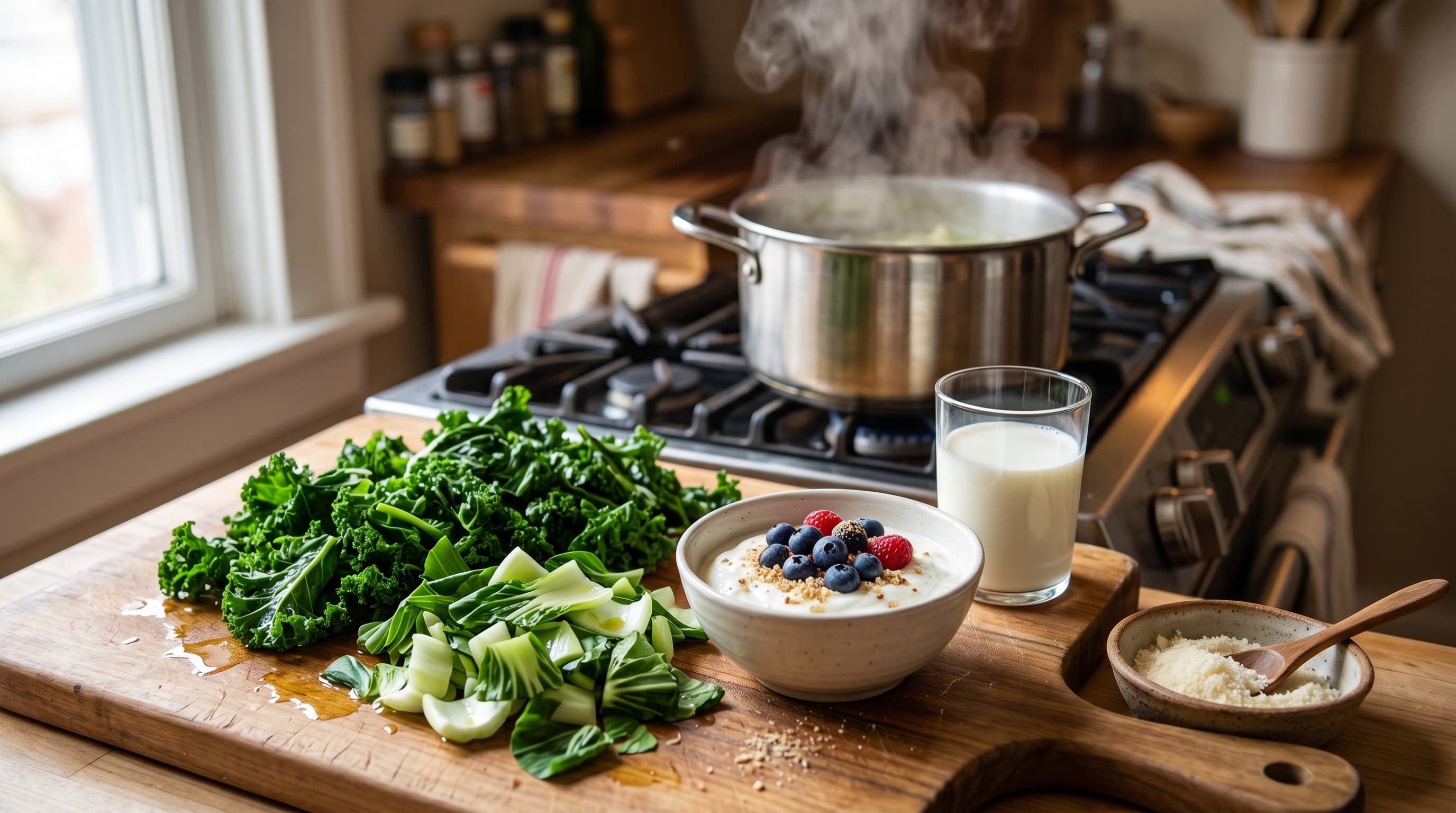
- Enjoying some berries? Pair them with a dollop of yogurt or a splash of milk.
- Sweet potato on the menu? Add a swirl of sour cream or some grated cheese.
- Chocolate treat? Have it with a refreshing glass of milk.
- Making beans? A sprinkle of cheese topping can do wonders.
It's important to note a little nuance here. While this calcium binding prevents oxalate absorption and can be really helpful for managing kidney stone risk, the calcium that binds to oxalate isn't available for your bones. So, make sure you're getting enough low-oxalate calcium sources (like fortified plant milks or kale) at other times of the day to support your bone health.
Smart Substitutions: Swapping High for Low
Sometimes, the easiest way to manage oxalates is to simply swap out a high-oxalate ingredient for a lower-oxalate alternative. You'll often find that the taste and texture are incredibly similar, and you won't even miss the difference!
Leafy Greens
Instead of:
- Spinach
- Swiss Chard
Try these fantastic lower-oxalate options:
- Kale (especially effective when boiled!)
- Romaine Lettuce
- Bok Choy
- Cabbage
For example, our GentleFeast Low Oxalate Italian Wedding Soup uses cabbage and bok choy to give you that wonderful green veggie goodness without the high oxalate load of spinach. It's such a comforting and delicious way to enjoy your meals!
Nuts and Butters
Instead of:
- Almond butter
- Peanut butter
Reach for:
- Pecan butter
- Macadamia nuts
- Sunflower butter
- Walnuts (after soaking, as mentioned!)
Other Easy Swaps
- Instead of a green smoothie with spinach, try a kale smoothie with mango.
- Swap black tea for herbal or green tea.
- Love rhubarb crumble? An apple crumble is a delicious, lower-oxalate treat.
Other Helpful Strategies for Managing Oxalates
Beyond cooking and pairing, there are a couple of other things you can do to support your body's oxalate management.
Stay Hydrated!
This might sound simple, but it's truly foundational. Drinking plenty of water helps to dilute oxalates in your urine, making it much less likely for them to form crystals and stones. Think of it as flushing things through your system regularly.
Support Your Gut Microbiome
Our gut health is linked to so many aspects of our well-being, and oxalate management is no exception. Certain beneficial gut bacteria, like Oxalobacter formigenes, can actually help break down oxalate in your digestive tract, potentially reducing how much your body absorbs.
While you can't guarantee you have these specific bacteria, supporting overall gut health with a diverse diet rich in prebiotics and probiotics is always a good idea. You might even consider discussing targeted probiotic support with a healthcare professional.
Putting It All Together: Your Practical Takeaway
It's easy to feel overwhelmed by dietary changes, but remember, every small step makes a difference. Here's a quick recap of the powerful tools you now have:
- Boil and discard: For high-oxalate greens like spinach or chard, a quick boil and draining the water can significantly reduce their oxalate content.
- Pair with calcium: Make it a habit to combine high-oxalate foods with a source of calcium (like cheese, yogurt, or fortified plant milk) to bind oxalates in your gut.
- Smart swaps: Explore lower-oxalate alternatives for your favorite ingredients. Think kale instead of spinach, pecans instead of almonds.
- Hydrate consistently: Keep that water bottle handy throughout the day!
- Nurture your gut: A healthy gut can better process all kinds of compounds, including oxalates.
You're doing an amazing job by taking these steps to understand and care for your body. Managing oxalates isn't about perfection; it's about building a toolkit of smart habits that help you enjoy food without worry. Pick one hack to try this week, and celebrate that small victory. You've got this!